Everything You Need to Know About Wisdom Teeth Removal
26 March 2018 | Updated: 14 May 2026

Wisdom teeth, also known as third molars, are the last teeth to develop and usually appear between the ages of 17 and 25. They erupt at the very back of the mouth, behind the second molars.
For some people, wisdom teeth grow through normally and never cause problems. For others, there simply isn’t enough space in the jaw for them to erupt properly, which can lead to pain, swelling, crowding, infection, and other dental complications.
In this guide, we explain why wisdom teeth sometimes need to be removed, the signs to look out for, what happens during extraction, and what recovery typically involves.
Why Do We Have Wisdom Teeth?
Wisdom teeth are considered by many experts to be vestigial, meaning they were more useful to our ancestors than they are today.
In the past, people ate a tougher diet that required more chewing, and larger jaws made room for additional molars. Over time, human jaws have generally become smaller, while our diets have become softer and more processed. As a result, many people no longer have enough space for wisdom teeth to grow properly.
Why Wisdom Teeth Sometimes Need to Be Removed

Wisdom teeth are often removed when there is insufficient space in the jaw for them to erupt and function normally.
Common reasons for removal include:
- Impacted wisdom teeth (trapped beneath the gums or bone)
- Crowding of nearby teeth
- Pain or pressure in the jaw
- Gum inflammation or infection
- Tooth decay around the wisdom tooth
- Difficulty cleaning the area properly
- Wisdom teeth growing sideways or at an angle
Not everyone will need their wisdom teeth removed, but monitoring them regularly is important.
What Happens if Impacted Wisdom Teeth Are Left Untreated?
When wisdom teeth become impacted, a range of complications can develop over time.
Infection and Gum Inflammation
Partially erupted wisdom teeth can trap food and bacteria beneath the gum tissue, increasing the risk of infection. This condition, known as pericoronitis, may cause:
- Red or swollen gums
- Pain around the back teeth
- Difficulty chewing
- Bad breath
- Jaw discomfort
In more severe cases, swelling and infection can make it difficult to open the mouth or swallow.
Tooth Decay and Cleaning Difficulties
Wisdom teeth are difficult to reach with a toothbrush and floss, which increases the risk of cavities and gum disease.
Decay can also spread to neighbouring teeth if the problem is not treated early.
Crowding and Damage to Nearby Teeth
An impacted wisdom tooth can place pressure on surrounding teeth, potentially contributing to crowding or damaging adjacent molars.
Cysts and Other Complications
In some cases, fluid-filled cysts can develop around impacted wisdom teeth. Although less common, these can damage surrounding bone and tissue if left untreated.
Signs You Should See a Dentist

It’s important to seek professional advice if you notice:
- Swollen, red, or bleeding gums near the back teeth
- Jaw pain or swelling
- Persistent bad breath
- Difficulty opening your mouth
- Pain when chewing
- Repeated infections around wisdom teeth
Early assessment can often prevent more serious complications later.
Why Early Assessment Matters
Wisdom teeth can cause problems long before symptoms become obvious.
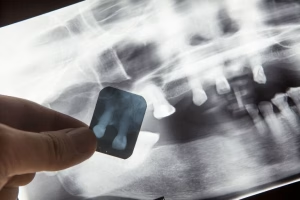
Dentists often recommend a panoramic dental X-ray (OPG) to assess:
- Tooth position
- Available space in the jaw
- Signs of impaction
- Effects on surrounding teeth
Early removal is often easier because:
- The roots may not be fully developed
- Healing is generally faster
- The risk of complications is lower
- Gum inflammation may not yet be present
Regular dental check-ups are important for monitoring wisdom teeth development, especially during the late teenage years and early adulthood.
Do All Wisdom Teeth Need to Be Removed?
Not always. Some wisdom teeth grow normally, are easy to clean, and do not cause pain or crowding. In these situations, monitoring may be recommended instead of extraction.
Wisdom teeth may not need removal if:
- They are healthy and fully erupted
- They are positioned correctly
- There are no signs of infection or crowding
- They can be cleaned properly
- X-rays show no underlying concerns
The decision should always be based on a professional assessment.
What to Expect During Wisdom Teeth Removal
The procedure varies depending on how the tooth is positioned. Some wisdom teeth can be removed quickly, while others, especially deeply impacted teeth, may require a more complex surgical approach.
1. Before the Procedure
A local anaesthetic is used to numb the area and keep you comfortable throughout treatment. In some cases, sedation options may also be discussed.
2. During the Extraction
If the tooth is impacted, the dentist or oral surgeon may need to:
- Make a small incision in the gum
- Remove a small amount of bone
- Divide the tooth into smaller sections for easier removal
The procedure itself should not be painful, although you may feel pressure during treatment.
3. Stitches and Healing
Depending on the extraction, stitches may be placed to help the area heal. These are often dissolvable or removed after several days.
Wisdom Teeth Recovery Tips
Some swelling, discomfort, and mild bleeding are normal after extraction.
To support healing you should:
- Apply ice packs to reduce swelling
- Eat soft foods for the first few days
- Avoid very hot foods and drinks
- Rest and avoid strenuous activity
- Avoid smoking and drinking through straws
- Follow all aftercare instructions carefully
Most patients recover well within several days, although healing time can vary depending on the complexity of the extraction.
Possible Risks and Complications
Wisdom teeth removal is a common and generally safe procedure, but like any surgery, it carries some risks.
Possible complications may include:
- Dry socket
- Infection
- Swelling or bruising
- Temporary numbness
- Irritation of nearby teeth or tissues
Your dentist will explain any relevant risks before treatment.