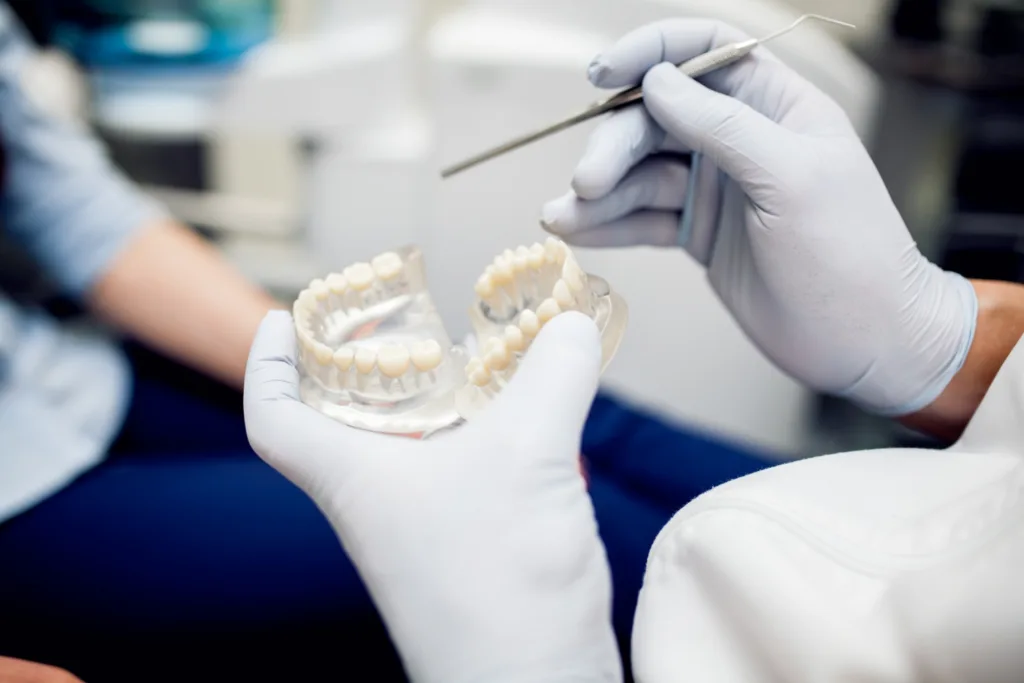
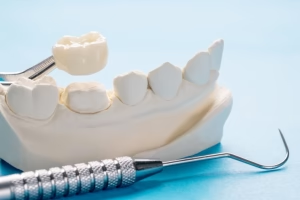
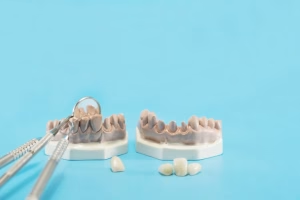
A dental crown is used to protect and restore a tooth that has been weakened, cracked, heavily filled, worn down, or treated with root canal therapy. Traditionally, getting a crown often meant at least two appointments: one visit to prepare the tooth and take impressions, followed by a second visit once the final crown had been made by a dental laboratory.
CEREC dental crowns offer a different approach. Using digital scanning, computer-aided design and in-practice milling technology, a CEREC crown can often be designed, created and fitted in a single appointment.
For many patients, this means less time in the dental chair, fewer appointments, and no need to wear a temporary crown while waiting for the final restoration.
What Is a CEREC Dental Crown?
CEREC stands for Chairside Economical Restoration of Esthetic Ceramics. In simple terms, it is a digital dental system that allows dentists to create custom ceramic restorations in the clinic, instead of sending impressions to an external dental laboratory.
CEREC uses CAD/CAM technology, which means computer-aided design and computer-aided manufacturing. The dentist scans the prepared tooth, designs the crown digitally, and then mills the restoration from a ceramic block using an in-house milling machine.
Once the crown has been shaped, refined and checked for fit, it is bonded securely to the tooth.
CEREC technology can be used for dental crowns and, in suitable cases, other restorations such as inlays, onlays and veneers. Whether it is the right option depends on the condition of the tooth, the bite, the position of the tooth, and the patient’s overall oral health.
When Might You Need a Dental Crown?
A dental crown may be recommended when a tooth needs more protection than a standard filling can provide.
This may include situations where the tooth is:
Cracked or fractured
Heavily worn down
Badly decayed
Weakened by a large filling
Restored after root canal treatment
Misshapen or significantly discoloured
At risk of breaking under normal chewing pressure
The purpose of a crown is to cover and protect the remaining tooth structure, improve strength, restore function, and create a natural-looking result.
Key Benefits of CEREC Dental Crowns
CEREC crowns are popular because they combine convenience with modern restorative dentistry. For suitable patients, they can be a practical and reliable way to restore a damaged tooth without waiting weeks for a final crown.
One-Appointment Treatment
One of the main advantages of CEREC is that the crown can often be completed in a single visit.
With a traditional crown, the dentist usually prepares the tooth, takes an impression or digital scan, places a temporary crown, and then fits the final crown at a later appointment. This process can take one to two weeks, depending on the dental laboratory and the complexity of the case.
With CEREC, the tooth is prepared, scanned, designed, milled and bonded during the same appointment in suitable cases. This can be especially helpful for patients with busy schedules or those who want to avoid multiple visits.
No Temporary Crown in Many Cases
Temporary crowns are useful, but they can sometimes feel less secure than the final restoration. They may come loose, feel rough, or require patients to avoid certain foods while waiting for the permanent crown.
Because CEREC crowns are often fitted on the same day, many patients do not need a temporary crown at all. This can make the overall treatment process more comfortable and convenient.
Digital Scanning Instead of Traditional Impressions
Many patients find traditional dental impressions uncomfortable, especially if they have a strong gag reflex. CEREC uses digital scanning to capture the shape of the tooth and surrounding bite.
The scan creates a detailed 3D model that the dentist uses to design the crown. This digital workflow can improve comfort and allows the dentist to review the restoration carefully before it is milled.
Natural-Looking Results
CEREC crowns are usually made from tooth-coloured ceramic materials. Because they do not contain a visible metal layer, they can blend well with the surrounding teeth.
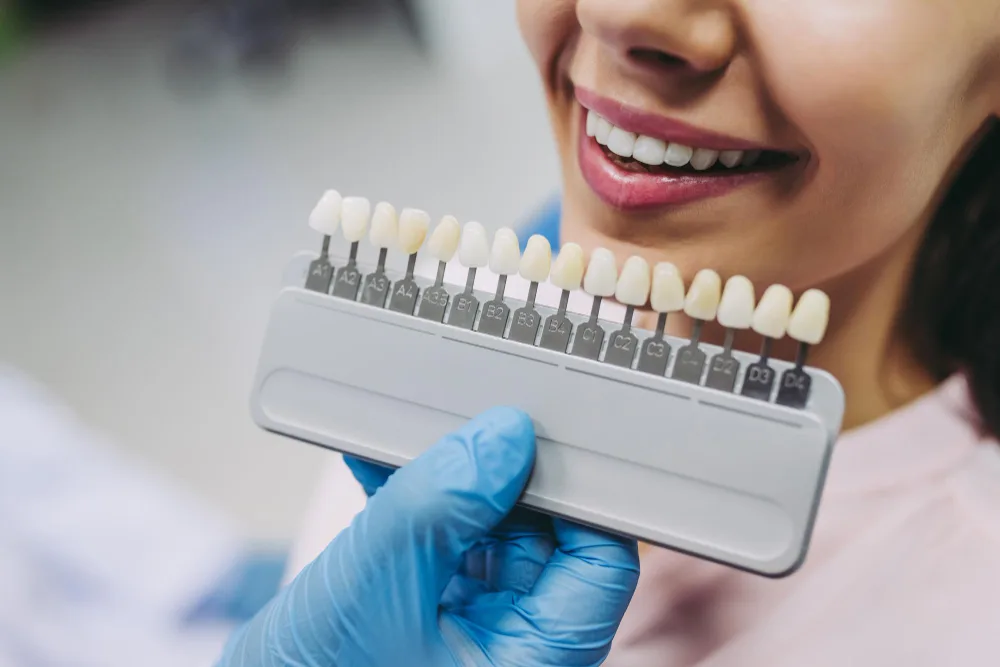
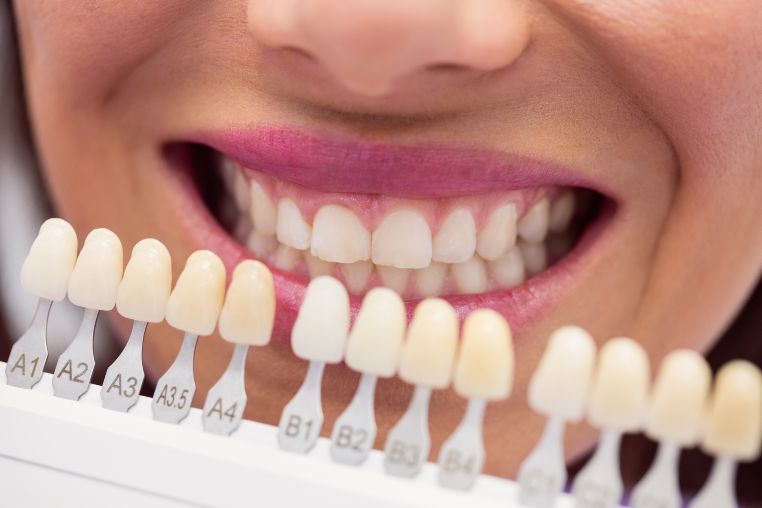
The dentist will select a shade that suits your smile and make adjustments so the crown fits your bite and tooth shape as naturally as possible.
Strength and Everyday Function
CEREC crowns are made from modern ceramic materials designed to withstand normal chewing forces. When properly planned, fitted and cared for, a ceramic crown can last for many years.
CEREC crowns are a good option for many patients, but they are not the right choice for every tooth or every clinical situation.
Suitability
A CEREC crown may not be suitable if there is not enough healthy tooth structure remaining, if the tooth has a complex fracture, or if the bite places excessive pressure on the restoration.
CEREC crowns can look very natural, but some highly aesthetic front-tooth cases may still benefit from laboratory involvement, especially when several front teeth are being restored or when a very specific shade match is required.
Your dentist can explain whether a CEREC crown or a laboratory-made crown is more suitable for the result you want.
Availability
Not every dental clinic has CEREC technology. The system requires specific equipment, software and clinical training, so patients may need to find a clinic that offers same-day CAD/CAM restorations.
Cost
The cost of a CEREC crown can vary depending on the tooth, the material used, the complexity of the case, and the clinic. In some situations, the cost may be similar to a traditional crown, while in others it may be higher.
However, for some patients, the convenience of fewer appointments, no temporary crown, and less time away from work or daily commitments can be an important consideration.
CEREC Crowns vs Traditional Crowns
Both CEREC and traditional crowns can provide strong, natural-looking restorations when planned and fitted properly. The main difference is the workflow.
A traditional crown is usually made by a dental laboratory. This can be an excellent option, especially for complex cosmetic cases, larger reconstructions, or situations requiring additional laboratory customisation.
A CEREC crown is designed and milled in the dental clinic. This allows many crowns to be completed on the same day, making it a convenient option for patients who want a faster process without compromising on function.
The best choice depends on your tooth, bite, oral health, cosmetic goals, and the dentist’s clinical assessment.
Other Types of Dental Crowns
If CEREC is not the most suitable option, your dentist may discuss other crown materials with you.
Porcelain or Ceramic Crowns
Porcelain and ceramic crowns are commonly used because they can closely match the appearance of natural teeth. They are often chosen for visible areas of the smile where aesthetics are important.
Zirconia Crowns
Zirconia is a strong dental material that may be recommended for back teeth or areas exposed to heavier chewing pressure. It can also be useful for patients who grind or clench, depending on the overall bite and case design.
Porcelain-Fused-to-Metal Crowns
Porcelain-fused-to-metal crowns have a metal base covered with porcelain. They can offer strength, although in some cases the metal edge may become visible near the gumline over time.
Gold Alloy Crowns
Gold alloy crowns are very strong and durable. They are most commonly used for back teeth where appearance is less of a concern. Some patients prefer tooth-coloured materials, but gold can still be a reliable option in selected cases.
Composite Resin Crowns
Composite resin may be used in some temporary or short-term situations, but it is generally less durable than ceramic, zirconia or metal-based options. Your dentist can explain whether it is suitable for your case.
What Happens During a CEREC Crown Appointment?
The exact process can vary depending on the tooth and the material selected, but a CEREC crown appointment usually follows several key steps.
1. Examination and Treatment Planning
Your dentist will first examine the tooth and assess whether a crown is needed. This may involve checking the bite, looking for cracks, assessing existing fillings, and taking dental X-rays if required.
The dentist will also confirm whether a CEREC crown is suitable or whether another type of restoration would provide a better long-term result.
2. Tooth Preparation
The tooth is prepared by removing decay, old filling material, weak tooth structure, or damaged areas. The tooth is then shaped so the crown can fit securely over it.
Local anaesthetic may be used to keep you comfortable during this part of the appointment.
3. Digital Scan
Instead of taking a traditional mould, the dentist uses a digital scanner to capture a 3D image of the prepared tooth and surrounding teeth.
This scan helps the dentist design a crown that fits your bite and matches the shape of the tooth being restored.
4. Digital Crown Design
The dentist uses specialised software to design the crown. This includes adjusting the size, shape, contours and bite contact so the crown functions properly with the surrounding teeth.
5. Milling the Crown
Once the design is complete, the information is sent to an in-house milling machine. The crown is then carved from a ceramic block.
The milling process itself can be relatively quick, although the full appointment also includes preparation, scanning, design, adjustments, bonding and final checks.
6. Finishing and Fitting
After the crown is milled, it may be polished, glazed, stained or further refined, depending on the material used and the desired result.
The dentist then checks the fit, bite and appearance before bonding the crown to the tooth with dental cement or adhesive.
7. Final Bite Check
Once the crown is in place, your dentist will make sure your bite feels comfortable and that the crown does not sit too high. Minor adjustments may be made before you leave the clinic.
How Long Does a CEREC Crown Appointment Take?
Many CEREC crown appointments can be completed in around one to two hours, although the timing can vary depending on the tooth, the material, and the complexity of the case.
More complex cases may take longer, and some situations may still require more than one appointment. Your dentist will explain what to expect before treatment begins.
How to Care for a CEREC Crown
A CEREC crown should be cared for in much the same way as a natural tooth. Although the crown itself cannot decay, the tooth underneath and the gum around it still need daily care.
Avoid chewing very hard objects such as ice or pens
Wear a night guard if you grind or clench your teeth
See your dentist if the crown feels loose, painful or uncomfortable
Do not ignore sensitivity, gum swelling or pain around a crowned tooth
Good oral hygiene and regular dental visits can help protect both the crown and the tooth supporting it.
Is a CEREC Crown Right for You?
CEREC crowns can be an excellent option for many patients who need a strong, natural-looking restoration and prefer the convenience of same-day treatment.
However, the right crown depends on the condition of your tooth, how much healthy tooth structure remains, your bite, your aesthetic goals, and your long-term oral health.
The best way to know whether a CEREC crown is suitable is to have a proper dental examination and discuss your options with an experienced dentist.
CEREC Dental Crowns at MGA Dental Clinic
If you have a cracked, damaged, heavily filled, or weakened tooth, MGA Dental can assess whether a CEREC same-day crown is the right option for you at our Brisbane and Gold Coast clinics.
Our team will examine the tooth, explain the available treatment options, and recommend a solution based on your oral health, comfort, function, and long-term outcome. Where suitable, CEREC technology allows us to design, create, and fit a custom dental crown in a single appointment.
To find out whether a CEREC crown is appropriate for your tooth, contact MGA Dental to arrange a consultation.
When a tooth is damaged or weakened, your dentist may recommend a dental onlay or a crown to restore its strength and appearance. While both options protect and rebuild teeth, they differ in how much of the tooth they cover and how they’re applied. In this article, we’ll explain the key differences between onlays and […]
Every person who has been at the dentist’s office at least once, has been introduced to the concept of dental crowns. However, not many people have encountered temporary crowns. So, what exactly are they, and how do they work? In simple terms, a temporary crown is a tooth-shaped cap designed to protect a natural tooth […]
If you have a damaged tooth or are missing one or more teeth, dental crowns and bridges are two of the most reliable and widely used restorative solutions in modern dentistry. They are designed not only to restore the appearance of your smile, but also to protect tooth structure, improve chewing function, and maintain the […]