Composite vs Porcelain Veneers: Which Is Right for You?
15 February 2021 | Updated: 8 June 2026
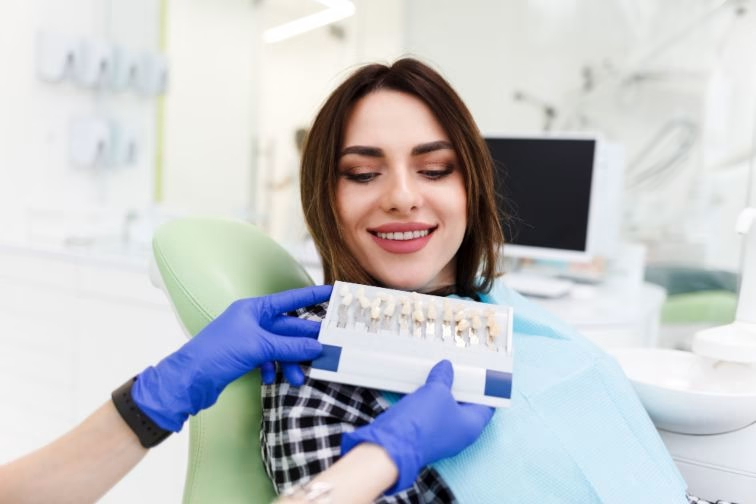
A brighter, more balanced smile is one of the most common reasons people explore cosmetic dentistry. Whether you’re concerned about stained teeth, chips, small gaps, uneven tooth shapes, or minor imperfections, veneers can offer a long-lasting and natural-looking solution.
However, one of the first decisions patients face is whether to choose composite veneers or porcelain veneers.
Both options can dramatically improve the appearance of your smile, but they differ in terms of durability, appearance, cost, and treatment time.
In this guide, we’ll explain the key differences between composite and porcelain veneers to help you understand which option may be best suited to your needs and goals.
What Are Veneers?
Veneers are thin coverings placed over the front surface of teeth to improve their appearance.
While they may not last as long as porcelain, composite veneers are often easier and less expensive to repair if minor damage occurs.
Which Lasts Longer?
Porcelain veneers typically offer superior longevity and durability compared to composite veneers.
3. Cost Considerations
Composite veneers are generally more affordable upfront than porcelain veneers.
This is because:
Less laboratory work is involved
Treatment is usually completed more quickly
Fewer appointments are required
Porcelain veneers involve more planning, laboratory fabrication, and clinical time, which contributes to a higher initial cost. However, because porcelain often lasts longer and requires less maintenance, some patients view it as a worthwhile long-term investment.
When comparing costs, it’s important to consider both the initial treatment fee and potential future maintenance.
4. Treatment Time
Treatment timelines differ significantly between the two options.
Composite Veneers
Composite veneers can often be completed in a single appointment.
The dentist:
Prepares the tooth surface
Applies the composite resin
Shapes and sculpts the material
Hardens it using a special curing light
Polishes the final result
This makes composite veneers a popular option for patients seeking faster results.
Porcelain Veneers
Porcelain veneers usually require at least two visits.
The process typically involves:
Preparing the teeth
Taking impressions or digital scans
Sending the design to a dental laboratory
Fabricating the custom veneers
Bonding the finished veneers during a second appointment
The extra time allows for highly customised and precise results.
Which Option Is Faster?
Composite veneers are generally the faster treatment option, while porcelain veneers require more planning and laboratory work.
Are Veneers Reversible?
This is another important difference.
Porcelain veneers usually require the removal of a small amount of tooth enamel, which means the process is generally considered irreversible. Composite veneers often involve less tooth preparation and may be reversible in some cases, depending on the treatment performed.
Your dentist can explain what is involved before treatment begins.
Are Veneers Suitable for Everyone?
Not always. Before placing veneers, your dentist will assess:
Patients with significant tooth decay, active gum disease, severe crowding, or major bite issues may require other treatment before veneers are considered.
Composite or Porcelain Veneers: Which Should You Choose?
There is no single “best” option for everyone.
Porcelain veneers may be ideal if you want:
The most natural appearance
Maximum stain resistance
Long-term durability
A comprehensive smile makeover
Composite veneers may be ideal if you want:
A more affordable option
Faster treatment
Easier repairs
Minor cosmetic improvements
The right choice depends on your smile goals, budget, lifestyle, and oral health.
Our experienced dentists carefully assess your oral health, discuss all available options, and help you make an informed decision with confidence.
With dedicated clinics in both Brisbane and the Gold Coast, we’re here to help you achieve a smile that looks beautiful, feels natural, and supports your long-term oral health.
If you’re considering veneers and would like professional advice, contact MGA Dental to arrange a cosmetic dentistry consultation.
Dental prostheses are devices used to replace missing teeth or restore teeth that have been severely damaged. While many people associate them mainly with improving appearance, dental prostheses play a much bigger role in overall oral health. They help restore normal chewing and speaking function, reduce the risk of gum disease around missing teeth, and […]
A straight smile is not only about appearance. Properly aligned teeth and a healthy bite play an important role in long-term oral health, comfort, and confidence. Most people know someone who has worn braces, and many Australians consider orthodontic treatment at some stage, whether as teenagers or later in adulthood. Today, orthodontics offers far more […]