Your mouth is closely connected to the rest of your body. Poor oral health can affect how comfortably you eat, speak and go about everyday activities. Research has also identified links between certain dental conditions and broader health concerns, including diabetes and cardiovascular disease.
While not every connection is fully understood, maintaining good oral hygiene and attending regular dental check-ups can help prevent problems that may affect your health and quality of life.
Here are four important reasons why dental health deserves attention beyond keeping your smile looking its best.
1. Gum Disease Is Linked to Other Health Conditions
Bleeding gums are common, but they should not be considered normal. If you notice blood when brushing or flossing, it may be an early sign of gum inflammation, known as gingivitis.
Gingivitis develops when dental plaque accumulates along the gumline, causing redness, swelling and irritation. At this stage, the condition is usually reversible with improved oral hygiene and professional dental care.
However, untreated gum inflammation can progress to periodontitis, a more serious form of gum disease that damages the tissues and bone supporting your teeth.
Research has identified associations between periodontal disease and several health conditions, including:
Cardiovascular disease: Chronic gum inflammation is associated with an increased risk of heart disease and stroke, although a direct cause-and-effect relationship has not been established.
Diabetes: People with poorly controlled diabetes are more susceptible to gum disease, while periodontal inflammation can make blood glucose management more difficult.
Pregnancy complications: Some studies have linked periodontal disease with preterm birth and low birth weight, although the evidence does not establish that gum disease directly causes these outcomes.
Common warning signs of gum disease include bleeding when brushing, swollen or tender gums, persistent bad breath and gum recession.
If you notice these symptoms, arrange a dental examination. Early gingivitis can often be reversed, while treatment for periodontitis focuses on controlling the disease and preventing further damage.
2. Oral Bacteria Can Sometimes Affect Heart Health
Your mouth naturally contains many types of bacteria. Most are harmless, but some contribute to tooth decay and gum disease when plaque is allowed to accumulate.
One example is Streptococcus mutans, a bacterium commonly associated with tooth decay. Research published in 2011 also investigated how certain strains of this bacterium may contribute to infective endocarditis, a rare but potentially serious infection affecting the inner lining of the heart.
In certain circumstances, bacteria from the mouth can enter the bloodstream. For most healthy people, this does not cause serious problems. However, some oral bacteria can occasionally contribute to infective endocarditis, a rare but potentially life-threatening infection of the inner lining of the heart or its valves. People with certain pre-existing heart conditions, such as prosthetic heart valves or a history of infective endocarditis, are at greater risk.
It is important to understand that ordinary tooth decay does not automatically lead to heart infection, and infective endocarditis remains uncommon.
Maintaining good oral health is particularly important for people with an increased risk of this condition. Recommended preventive measures include:
Some patients with specific high-risk cardiac conditions may require antibiotics before certain dental procedures. This is not necessary for most people and should be determined by their treating dental and medical professionals.
Informing your dentist about any existing heart conditions
3. Regular Dental Check-Ups Can Help Detect Oral Cancer Early
Routine dental examinations are not only about identifying cavities and gum problems. They also provide an opportunity to examine the soft tissues of your mouth for unusual changes.
Oral cancer can affect areas such as the lips, tongue, gums, cheeks and floor of the mouth. Some cancers also develop in the throat, including the oropharynx.
Early changes may be painless, making them easy to overlook.
During a routine examination, your dentist can check for visible or palpable abnormalities and recommend further investigation if necessary.
Not every unusual change indicates cancer, and a dental examination cannot diagnose every case. However, identifying suspicious changes and arranging timely referral can make an important difference.
If you notice a persistent sore, lump or other unusual change, do not wait for your next routine appointment. Contact your dentist or GP for assessment.
4. Healthy Teeth Support Better Nutrition and Eating Habits
The relationship between dental health and nutrition works both ways. What you eat affects your teeth, while the condition of your teeth and gums can influence what you are able to eat comfortably.
Toothache, missing teeth, gum disease and poorly fitting dentures can make chewing difficult. As a result, some people begin avoiding harder foods such as raw vegetables, nuts or certain meats. Over time, these limitations may reduce dietary variety and make it harder to maintain balanced nutrition.
A healthy mouth allows you to enjoy a wider range of foods without pain or discomfort.
At the same time, your dietary habits play an important role in preventing tooth decay.
When you frequently consume sugary foods and drinks, bacteria in dental plaque produce acids that weaken tooth enamel. Repeated exposure increases the risk of cavities.
To support both oral and general health:
Choose water as your main drink, preferably fluoridated tap water where available.
Limit sugary drinks, confectionery and frequent snacking.
Eat a balanced diet that includes vegetables, fruit, wholegrains and protein-rich foods.
Avoid regularly sipping acidic drinks, including soft drinks and sports drinks.
Brush twice daily with fluoride toothpaste and clean between your teeth every day.
You do not need to eliminate all sugar from your diet, but reducing the frequency of sugary foods and drinks can make a meaningful difference.
After consuming acidic foods or drinks, rinse your mouth with water and avoid brushing immediately. Waiting around 30 minutes can help protect enamel that has been temporarily softened by acid.
Small Daily Habits Can Make a Lasting Difference
Good dental health does not require a complicated routine. Consistent brushing, daily interdental cleaning, a balanced diet and regular dental examinations provide a strong foundation.
It is also important to pay attention to changes in your mouth. Bleeding gums, persistent sensitivity, tooth pain or unusual sores should not be ignored, even if the symptoms seem minor.
Taking action early can help preserve your natural teeth, prevent avoidable complications and support your comfort and wellbeing.
Looking After Your Oral Health With MGA Dental
Healthy teeth and gums play an important role in your overall wellbeing, from making everyday meals more comfortable to helping prevent dental infections and other oral health problems.
Whether you have noticed bleeding gums, are concerned about tooth decay or simply want to stay on top of your oral health, our dentists can assess your needs and recommend appropriate care.
Contact MGA Dental to book a dental check-up and take an important step towards keeping your teeth and gums healthy for years to come.
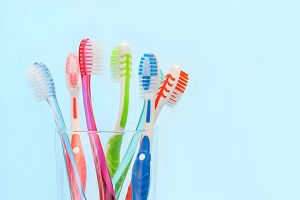
Good oral hygiene is crucial for maintaining healthy teeth and gums. While brushing your teeth regularly is an essential part of this routine, it is equally important to ensure that your toothbrush is clean and free from harmful bacteria. In this blog post, we will explore various methods and tips on how to take care […]
Retainers play an important role in maintaining the results of your orthodontic treatment. Once your teeth are aligned, a retainer helps keep them in place and prevents them from gradually shifting back. However, wearing a retainer also means you need to take proper care of it. Without regular cleaning, retainers can collect bacteria, plaque, and […]
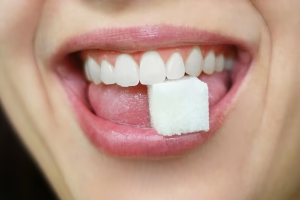
We all know that consuming excessive amounts of sugar is not good for our overall health. But did you know that sugar can also have a detrimental effect on your dental health? In fact, sugar has been identified as one of the leading causes of tooth decay and cavities. So, why is sugar so harmful […]
Discover how dental health affects your overall wellbeing, including its links to heart health, diabetes and other conditions. Learn to recognise common oral health problems and protect your teeth and gums with practical preventive care advice from MGA Dental.
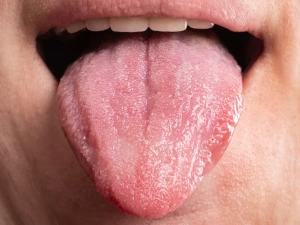
Noticing that your tongue has changed its color can be a stressful experience if you don’t know what is the cause of the discoloration. Changes in the color of your tongue can be subtle or dramatic, depending on the underlying health issue. In this article, we’ll outline the most common types of tongue discoloration to […]
Multiple Sclerosis (MS) may not seem directly related to dental health at first glance, but the connection is stronger than many realise. This chronic neurological condition can affect a person’s ability to maintain proper oral hygiene, leading to an increased risk of dental problems and complications during treatments such as tooth extractions. Understanding how Multiple […]
Osteoporosis is usually thought of as a condition that affects the hips, spine, or wrists. Dental health is not often part of the conversation. However, osteoporosis can have a real and sometimes overlooked impact on your oral health. Bones throughout the body are affected by osteoporosis, including the jawbone that supports your teeth. When bone […]
Menopause brings a wide range of changes to the body, most commonly linked to falling oestrogen levels. While symptoms such as hot flushes, mood changes, and sleep disruption are well known, menopause can also affect oral health in ways many women do not expect. Changes in hormones during perimenopause and menopause can influence saliva production, […]
Bulimia nervosa is a serious eating disorder that can affect both physical and mental health. While many people are aware of the emotional and medical impact of bulimia, fewer realise how significantly it can affect the teeth, gums, and mouth. In many cases, dentists are among the first healthcare professionals to notice signs of bulimia […]