How Bulimia Can Affect Your Teeth and Oral Health
21 October 2021 | Updated: 18 May 2026

Bulimia nervosa is a serious eating disorder that can affect both physical and mental health. While many people are aware of the emotional and medical impact of bulimia, fewer realise how significantly it can affect the teeth, gums, and mouth.
In many cases, dentists are among the first healthcare professionals to notice signs of bulimia because repeated exposure to stomach acid can cause visible dental damage over time.
The good news is that early dental care and medical support can help reduce long-term complications and improve oral health.
What Is Bulimia Nervosa?
Bulimia nervosa is an eating disorder characterised by cycles of binge eating followed by behaviours aimed at avoiding weight gain.
These behaviours may include:
- Self-induced vomiting
- Excessive exercise
- Restrictive eating
- Misuse of laxatives
Bulimia can lead to serious complications affecting the digestive system, heart, mental health, and oral health.
Because the condition often involves repeated exposure to stomach acid, the teeth and soft tissues inside the mouth can gradually become damaged.
How Does Bulimia Affect the Teeth?
One of the main reasons bulimia damages teeth is repeated contact with stomach acid during vomiting.
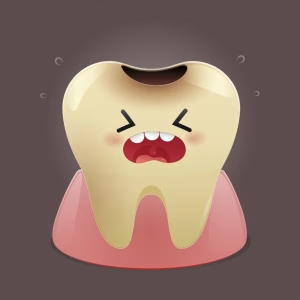
Stomach acid is highly acidic and can gradually wear away tooth enamel, which is the protective outer layer of the teeth. Once enamel is lost, teeth become weaker, more sensitive, and more vulnerable to damage and decay.
Common Signs of Bulimia Teeth
Dental complications related to bulimia can vary from mild cosmetic changes to severe tooth damage.

Enamel Erosion
Repeated exposure to stomach acid can wear down enamel and expose the softer dentin layer underneath.
This may lead to:
- Increased tooth sensitivity
- Thinner teeth
- Fragile or brittle teeth
- Greater risk of chipping or cracking
Enamel loss is irreversible, which is why early intervention is important.
Yellow or Transparent Teeth
As enamel becomes thinner, the darker dentin layer beneath the surface becomes more visible.
This can make teeth appear:
- Yellow
- Dull
- Glassy or translucent around the edges
Because dentin is softer than enamel, exposed teeth may also become weaker and more prone to chipping over time.
Tooth Sensitivity
Weakened enamel often causes increased sensitivity to:
- Hot foods and drinks
- Cold temperatures
- Sweet foods
- Acidic foods
Sensitivity can become more noticeable over time if erosion continues.
Increased Risk of Cavities
Bulimia may increase the risk of tooth decay for several reasons:
- Acid erosion weakens enamel
- Dry mouth reduces natural protection
- Frequent exposure to sugary foods during binge eating
Without treatment, cavities can progress rapidly.
Dry Mouth
Vomiting, dehydration, and laxative use can reduce saliva production.
Saliva plays an important role in:
- Neutralising acids
- Washing away bacteria
- Protecting enamel
A persistent dry mouth can further increase the risk of decay and bad breath.
Mouth Sores and Gum Irritation
Repeated exposure to stomach acid can irritate the soft tissues inside the mouth and throat.
Some people may experience:
These symptoms can become painful over time, so ongoing irritation should be assessed by a dental professional.
Swollen Salivary Glands
Bulimia can sometimes cause swelling of the salivary glands, particularly around the cheeks and jawline.
This swelling may create facial puffiness or tenderness near the ears and lower jaw.
Can Bulimia Cause Permanent Dental Damage?
Yes. Long-term enamel erosion cannot be reversed naturally once the enamel is lost.
Without treatment, damage may progress to:
- Severe tooth wear
- Fractures
- Extensive decay
- Tooth loss
However, early dental intervention can often help protect and restore affected teeth.
What Should You Do After Vomiting?
Many people instinctively brush their teeth immediately after vomiting, but this can actually worsen enamel erosion.
Instead, dentists often recommend:
- Rinsing with water
- Rinsing with a fluoride mouthwash or bicarbonate solution
- Waiting at least 30 minutes before brushing
This helps reduce acid exposure without brushing softened enamel.
Dental Treatments for Bulimia-Related Tooth Damage
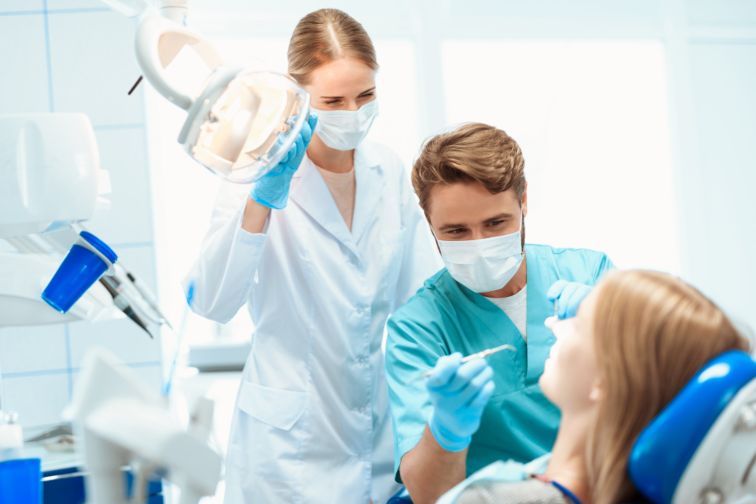
The right treatment depends on the severity of the damage.
Tooth Fillings
Fillings may be used to repair small areas of decay or erosion and restore tooth structure.
Dental Crowns
Crowns may be recommended when teeth have become significantly weakened or damaged. They help protect and strengthen the remaining tooth structure.
Veneers
For cosmetic concerns such as discolouration, minor chipping, or uneven appearance, veneers may improve the appearance of damaged teeth. However, veneers are usually most suitable once the underlying eating disorder is being properly managed.
Dental Implants
In severe cases involving tooth loss, dental implants may be considered to restore missing teeth.
Why Treating the Underlying Condition Matters
Dental treatment alone cannot stop ongoing damage if bulimia continues untreated.
Long-term improvement usually requires support from healthcare professionals experienced in eating disorder treatment, including doctors, psychologists, and nutrition specialists.
Seeking support early can help protect both oral health and overall wellbeing.
Compassionate Dental Care at MGA Dental Clinic
Dental problems related to bulimia can feel distressing and overwhelming, but supportive, judgement-free care is available.
At MGA Dental clinic, we provide personalised dental care focused on restoring oral health, protecting damaged teeth, and helping patients feel comfortable and supported throughout treatment. Our team understands the sensitive nature of eating disorders and approaches treatment with compassion and discretion.
With clinics on the Gold Coast and in Brisbane, we’re here to support your long-term oral health with patient-focused care.
If you are concerned about tooth erosion, sensitivity, or dental damage related to bulimia, feel free to contact MGA Dental and arrange a confidential consultation.