Tooth Decay in Children: Causes, Prevention, and Treatment
13 July 2020 | Updated: 16 May 2026

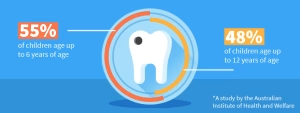
Tooth decay is one of the most common dental problems affecting children. Even though baby teeth eventually fall out, they still play a very important role in your child’s oral health, speech development, eating habits, and the positioning of future adult teeth.
Cavities can develop surprisingly early in life, sometimes soon after the first teeth appear. In fact, early childhood tooth decay is extremely common, particularly when sugary drinks, poor oral hygiene, and prolonged bottle feeding are involved.
The good news is that most childhood tooth decay is preventable with the right habits, regular dental care, and early intervention.
Why Baby Teeth Matter
Some parents assume baby teeth are less important because they are temporary, but healthy primary teeth are essential for:
- Proper chewing and nutrition
- Speech development
- Maintaining space for adult teeth
- Healthy jaw development
- Preventing pain and infection
Untreated decay in baby teeth can also affect the developing adult teeth beneath them.
What Causes Tooth Decay in Children?
Tooth decay develops when bacteria in the mouth feed on sugars and starches from food and drinks. As bacteria break down these sugars, they produce acids that gradually weaken and damage tooth enamel.
Over time, this can lead to cavities.
Common Causes of Childhood Tooth Decay
Childhood tooth decay usually develops from repeated sugar exposure, plaque buildup, and oral care habits that leave teeth vulnerable to acid attacks.
1. Frequent Sugary Drinks
Juice, soft drinks, flavoured milk, baby formula, and sweet snacks can increase the risk of decay, especially when consumed frequently throughout the day.
Even natural sugars can contribute to cavities if teeth are exposed for long periods.
2. Going to Bed with a Bottle or Sippy Cup
One of the most common causes of early childhood decay is prolonged exposure to milk, formula, or juice during sleep.
When sugary liquids remain around the teeth overnight, bacteria have more opportunity to produce damaging acids. This is often referred to as “baby bottle tooth decay.”
3. Poor Oral Hygiene
Without regular brushing and flossing, plaque and bacteria accumulate on the teeth and gums.
Children need help and supervision with brushing until they develop the coordination to clean properly on their own.
4. Frequent Snacking
Constant snacking gives bacteria a continuous source of sugar and reduces the mouth’s ability to recover between meals.
Sticky foods can be particularly problematic because they cling to teeth longer.
Signs of Tooth Decay in Children
Early tooth decay may not always cause pain immediately.
Possible signs include:
Regular dental check-ups help identify problems early before they become more serious.
How to Help Prevent Tooth Decay in Children
Good oral health habits should begin early, even before all baby teeth appear.
Oral Health Tips for Babies and Toddlers

Good oral care should begin early, even before all baby teeth have appeared, to help protect your child’s smile as it develops.
Avoid Bedtime Bottles with Sugary Drinks
If your child needs a bottle or sippy cup at bedtime, water is the safest option.
Avoid letting children fall asleep with:
- Juice
- Formula
- Milk
- Sweetened drinks
This helps reduce prolonged sugar exposure overnight, when saliva flow is lower and teeth are more vulnerable to decay.
Start Cleaning Teeth Early
Once the first tooth appears, gently clean it using a soft infant toothbrush or soft cloth.
Establishing oral hygiene early helps children become comfortable with brushing.
Use the Right Toothpaste
Current Australian dental guidelines generally recommend:
- A small smear of low-fluoride toothpaste for children under 18 months when advised by a dental professional
- A pea-sized amount of age-appropriate fluoride toothpaste from around 18 months onward under supervision
Children should be encouraged to spit out toothpaste rather than swallow it.
Brush Twice Daily
Children should brush:
- Morning and night
- For around two minutes
- Using a soft-bristled toothbrush
Parents should supervise brushing for young children to ensure all tooth surfaces are cleaned properly.
Limit Sugary Snacks and Drinks
Reducing frequent sugar exposure is one of the most effective ways to lower cavity risk.
Water and healthy snacks are generally better choices between meals.
Schedule Early Dental Visits
Children are usually recommended to visit the dentist by their first birthday or shortly after the first teeth appear.
Early visits help:
- Monitor development
- Identify problems early
- Build positive dental experiences
- Educate parents on oral care
These appointments also help children become comfortable with dental care from an early age.
What Happens If Cavities Develop?
Treatment depends on the severity of the decay.
Dental Fillings
Small cavities may be treated with fillings to restore and protect the tooth.
Dental Crowns
If a baby tooth is badly damaged, a crown may be recommended to strengthen and protect it.
Tooth Extraction
In severe cases where the tooth cannot be saved, extraction may be necessary to prevent infection from spreading.
Untreated infections in baby teeth can affect surrounding teeth and developing adult teeth.
Why Early Treatment Matters

Tooth decay can worsen quickly in children because baby teeth have thinner enamel than adult teeth.
Without treatment, cavities may lead to:
- Pain
- Infection
- Difficulty eating
- Sleep problems
- Damage to adult teeth
- Dental anxiety later in life
Early dental care is usually simpler, less invasive, and more comfortable for children.
Creating Healthy Dental Habits Early
Helping children develop positive oral hygiene habits early can support healthier teeth for life.
Simple routines such as brushing together, choosing water over sugary drinks, and attending regular dental check-ups can make a significant long-term difference.
Children’s Dental Care at MGA Dental Clinic
At MGA Dental, our children’s dentistry care is gentle, family-focused, and designed to help children feel comfortable and confident during dental visits. Our team focuses on prevention, early diagnosis, and creating positive experiences that support lifelong oral health habits.
With clinics on the Gold Coast and in Brisbane, we’re here to support your child’s oral health at every stage of development.
If you would like to book your child’s dental check-up or discuss concerns about tooth decay, feel free to contact MGA Dental and arrange an appointment.