Partial Dentures: Types, Benefits, and Alternatives
29 March 2022 | Updated: 7 January 2026
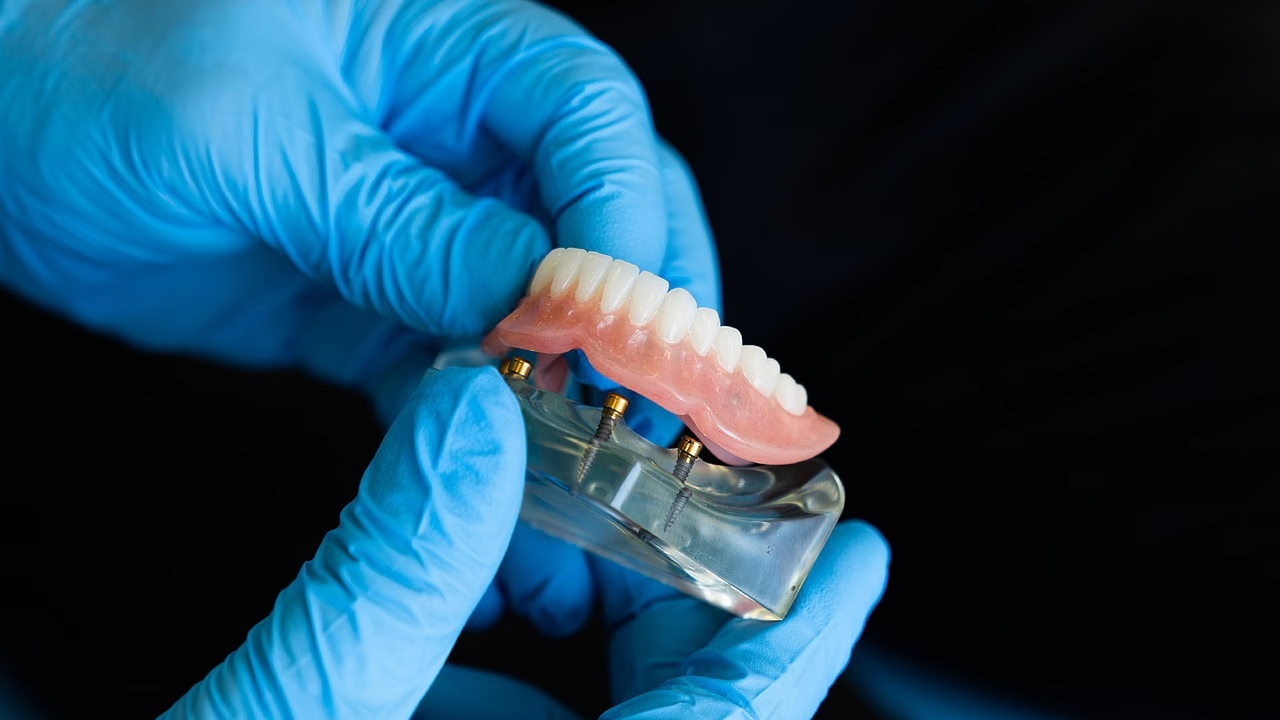
Missing a few teeth can affect far more than your smile. It can change how you chew, speak, and even how your remaining teeth sit over time. Partial dentures are a common, practical way to replace one or several missing teeth while preserving the healthy teeth you still have. For many patients, they offer a balanced solution that restores function and appearance without more invasive treatment.
In this article, we explain what partial dentures are, who they are suitable for, the different types available, how long they last, and which alternatives may be worth considering.
What Are Partial Dentures?
Partial dentures are removable dental appliances designed to replace one or more missing teeth in the upper or lower jaw. Unlike full dentures, they do not replace an entire arch. Instead, they fit around your existing natural teeth and help maintain proper spacing, bite alignment, and chewing efficiency.
By filling gaps, partial dentures can also reduce the risk of neighbouring teeth shifting, gum problems, and jawbone changes over time.
Who Are Partial Dentures Suitable For?
Partial dentures may be recommended if you:
-
Are missing several teeth in the upper or lower jaw
-
Still have healthy natural teeth that can support a denture
-
Are looking for a non-surgical tooth replacement option
-
Need a temporary or long-term solution following tooth extraction
Your dentist will assess your oral health, remaining teeth, and lifestyle to determine whether partial dentures are the right choice.
Types of Partial Dentures
Partial dentures vary in design and material, which affects how they look, feel, and perform over time. Your dentist will recommend an option based on how many teeth are missing, where the gaps are located, and whether the denture is intended to be temporary or long term. Common types include:
Acrylic Partial Denture
These dentures have an acrylic base with plastic replacement teeth and may include metal clasps for added support. They are typically used as a temporary solution, for example after extractions, while the mouth heals or before a more durable option is made. Acrylic dentures are generally more affordable but can feel bulkier and less stable than other types.
Flexible Partial Dentures
Made from a flexible thermoplastic material, these dentures adapt closely to the shape of your gums. They are lightweight, comfortable, and visually discreet, as the base blends naturally with gum tissue. Flexible partial dentures are often recommended for patients with allergies to acrylic or for those who prioritise comfort and appearance.
Metal Partial Dentures
Cast metal partial dentures are considered one of the most reliable long-term removable options. They use a strong, lightweight metal framework combined with an acrylic base and teeth. When fitted correctly, they offer excellent stability, durability, and resistance to wear, making them suitable for everyday use.
Hybrid Partial Dentures
Hybrid dentures combine a metal framework with flexible materials, offering a balance of strength, comfort, and aesthetics. They are thinner than traditional metal dentures and designed to minimise or hide clasps, resulting in a more natural-looking smile. Many patients find them easier to adapt to than bulkier designs.
Flipper (Single-Tooth) Dentures
Flippers are removable partial dentures used to replace a single missing tooth. They are commonly used as a short-term solution after tooth loss or extraction, particularly while waiting for a permanent option such as a bridge or implant. While convenient and affordable, they are not usually intended for long-term wear.
Partial Dentures vs Full Dentures
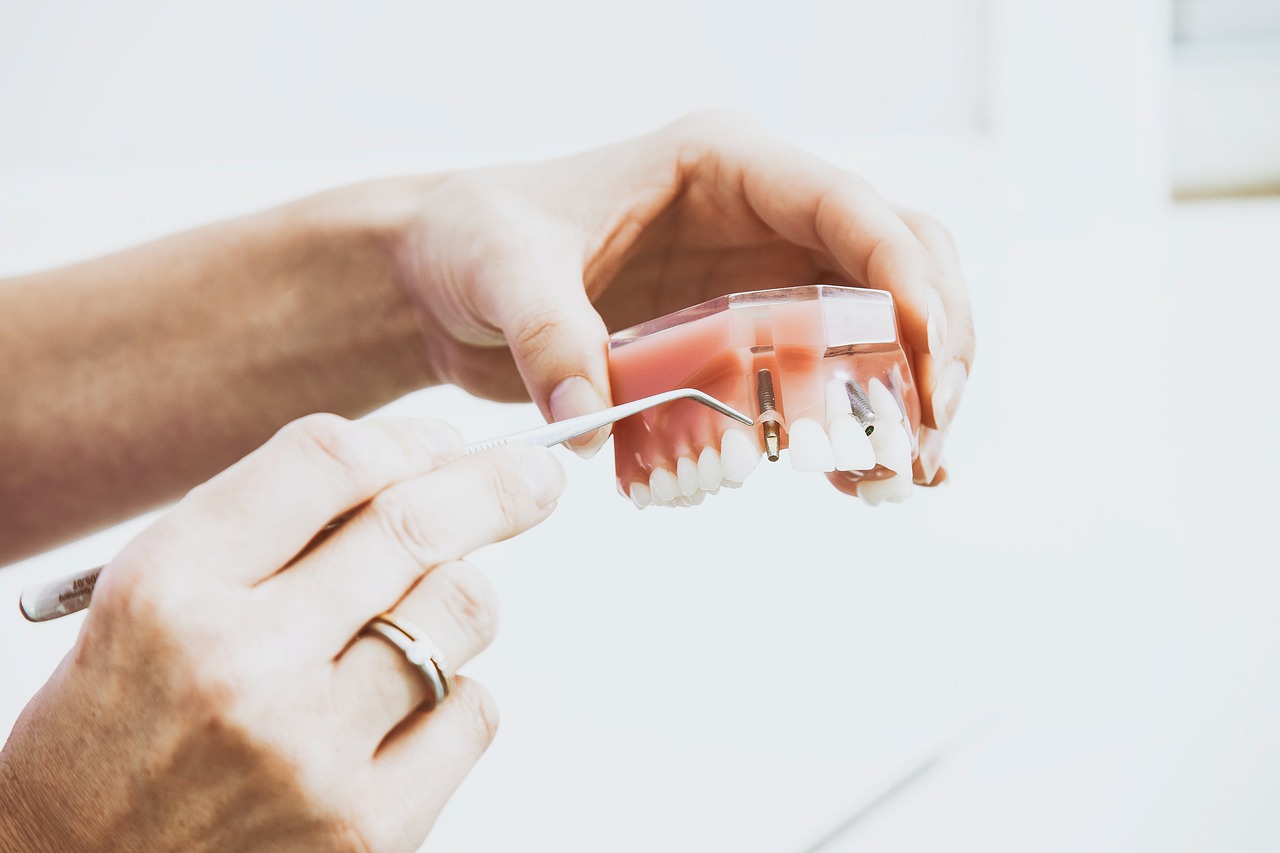
Partial dentures are suitable when some natural teeth remain, while full dentures are used when all teeth in an arch are missing. Partial dentures are generally more stable, less bulky, and often more affordable when only a few teeth need replacing.
How Long Do Partial Dentures Last?
Longevity depends on the type of denture and how well it is cared for:
Regular dental reviews and periodic adjustments, usually every couple of years, can significantly extend their lifespan.
How to Care for Partial Dentures
Good care helps maintain comfort and appearance:
-
Clean daily with a soft brush and mild soap or denture cleaner
-
Avoid regular toothpaste or harsh household cleaners
-
Soak dentures overnight using denture tablets or diluted white vinegar
-
Attend regular dental check-ups to monitor fit and oral health
Caring for your dentures properly helps extend their lifespan, maintain comfort, and reduce the likelihood of needing early repairs or replacements.
Alternatives to Partial Dentures
Depending on your situation, other options may be suitable, including:
-
Dental bridges, which replace missing teeth using adjacent teeth for support
-
Dental implants, which offer a fixed, long-term solution but require surgery
Your dentist can explain the benefits and limitations of each option and help you choose what best suits your needs.
Partial Denture Care at MGA Dental
At MGA Dental clinic, we provide personalised care for patients considering partial dentures or alternative tooth replacement options. Our clinics in Brisbane and the Gold Coast take the time to assess your oral health, understand your preferences, and recommend solutions that restore comfort, function, and confidence.
If you are missing teeth and exploring partial dentures, contact MGA Dental clinic to book a consultation and take the next step toward a healthier, more complete smile.