What Are Self-Ligating Braces? Benefits, Types, and Cost Guide
17 August 2021 | Updated: 3 February 2026

Orthodontic treatment has come a long way, and modern braces now offer more comfortable, efficient, and discreet options than ever before. If you or your child are considering braces to straighten crooked or crowded teeth, you may have come across self-ligating braces as a newer alternative to traditional braces.
Self-ligating braces work on the same fundamental principle as conventional braces: they use brackets and an archwire to gradually guide teeth into a healthier, more aligned position.
The key difference lies in how the archwire is held in place. Instead of elastic bands or metal ties, self-ligating braces use a built-in clip or sliding mechanism within each bracket. This design change may seem small, but it can influence comfort, cleaning, and overall treatment experience.
Below, we explain how self-ligating braces work, who they may suit, and how they compare to other orthodontic options.
How Do Self-Ligating Braces Work?
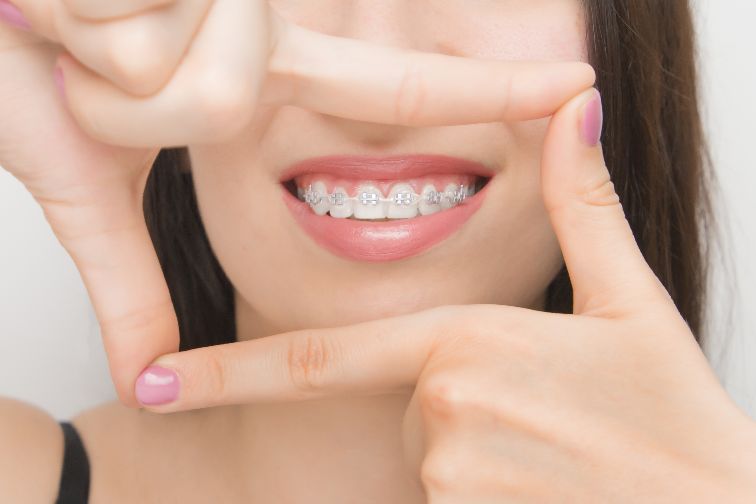
With any type of braces, brackets are bonded to the teeth and connected by an archwire. This wire applies gentle, controlled pressure that encourages teeth to move over time.
- In traditional braces, the wire is secured using elastic bands or metal ligatures, which can create friction as teeth shift.
- In self-ligating braces, each bracket has a built-in mechanism that holds the wire in place without external ties.
Because the wire can move more freely within the bracket, self-ligating systems are designed to reduce friction and allow smoother tooth movement, particularly in the early stages of treatment.
Who Are Self-Ligating Braces Suitable For?
There is no single orthodontic system that is right for everyone. Whether self-ligating braces are suitable depends on several factors, including:
Self-ligating braces can be used for both teenagers and adults and may be recommended for mild to moderately complex orthodontic cases. Your dentist or orthodontist will assess your teeth, jaw alignment, and long-term goals before recommending the most appropriate treatment.
Types of Self-Ligating Braces
Self-ligating braces are generally divided into two main categories based on how the bracket interacts with the archwire:
Active Self-Ligating Braces (ASLB)
Active self-ligating brackets use a spring clip that presses against the archwire. This applies additional force to guide tooth movement more directly.
-
Often used in later stages of treatment
-
May offer more precise control in complex cases
-
Typically paired with thicker archwires
While some studies suggest faster tooth movement in certain situations, active systems are not always necessary for every patient.
Passive Self-Ligating Braces (PSLB)
Passive self-ligating brackets use a sliding door mechanism that holds the wire in place without pressing against it.
-
Allows more space for the archwire to move
-
Reduces friction and pressure
-
Often preferred during early treatment phases
-
Generally associated with improved comfort
Passive systems are commonly used for mild to moderate alignment issues or during initial tooth movement.
Self-Ligating Braces vs Traditional Braces
The main distinction between traditional braces and self-ligating braces is how the wire is secured.
Traditional Braces
-
Use elastic bands or metal ties (ligatures)
-
Require regular replacement of ligatures
-
Can trap food and plaque more easily
Self-ligating Braces
-
Use a built-in clip or sliding mechanism
-
Do not require elastic ties
-
May be easier to clean and maintain
While both systems are effective, self-ligating braces are often chosen for their convenience, reduced chair time during adjustments, and potentially improved comfort.
Metal vs Ceramic Self-Ligating Braces
Self-ligating braces are available in both metal and ceramic options.
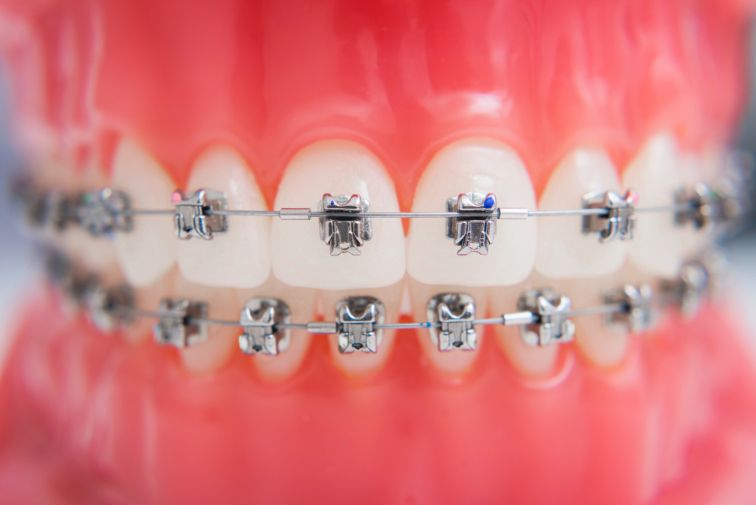
Metal Self-Ligating Braces
Metal braces remain one of the most reliable orthodontic tools and are suitable for a wide range of cases.
Ceramic Self-Ligating Braces
-
Tooth-coloured brackets that blend with natural teeth
-
Less noticeable than metal braces
-
Popular with adults seeking a more discreet option
Modern ceramic self-ligating braces are designed to resist staining, as they do not rely on elastic ties that can discolour over time.
Advantages of Self-Ligating Braces
Self-ligating braces offer several potential benefits, depending on the individual case.
Easier to clean: Without elastic ligatures, there are fewer areas where food and plaque can accumulate, supporting better oral hygiene.
Reduced discomfort: Lower friction between the wire and brackets may reduce pressure and irritation, particularly in the early stages of treatment.
Shorter adjustment appointments: Opening and closing the bracket mechanism is often quicker than replacing elastic ties, making adjustment visits more efficient.
Modern, streamlined design: Many self-ligating systems use smaller brackets, which can feel less bulky in the mouth.
Possible Disadvantages to Consider
While self-ligating braces offer many advantages, they may not be ideal for every patient.
Higher cost: Self-ligating braces are typically more expensive than traditional braces, with costs varying based on treatment complexity and duration.
Adjustment period: As with any orthodontic treatment, there is an initial adaptation period. Mild soreness or pressure is common after placement or adjustments.
Your dentist will help weigh these factors and determine whether the benefits outweigh the drawbacks for your specific needs.
What Does Treatment With Self-Ligating Braces Involve?
Treatment generally follows a similar process to traditional braces:
-
Initial consultation and assessment
-
Placement of brackets and archwire
-
Regular review appointments to monitor progress
-
Wire changes or adjustments as needed
-
Retention phase after braces are removed
Treatment length varies depending on alignment issues but often ranges from 12 to 24 months.
Orthodontic Care at MGA Dental Clinic
Choosing the right orthodontic treatment is about more than straightening teeth. It is about long-term oral health, comfort, and confidence.
At MGA Dental clinic, our dental team provides personalised orthodontic assessments and modern treatment options, including self-ligating braces. With clinics in Brisbane and the Gold Coast, we take the time to understand your goals and recommend solutions tailored to your needs.
If you are considering braces or would like to explore whether self-ligating braces are right for you or your child, contact MGA Dental to book a consultation. We are here to guide you through every step of your orthodontic journey with care and expertise.