Tips for the prevention of TMJ disorder

22 February 2016
Tips for the prevention of TMJ disorder

If you’ve experienced a disorder in this area it is quite frankly a pain in the…well, jaw! Temporomandibular Joint, more commonly referred to as TMJ disorder, is a common injury and one which can leave patients in a considerable amount of pain. In this article, we explore the causes, symptoms and treatment for TMJ.

Your TMJ connects your jaw to your skull and put simply, TMJ disorder covers any ailment suffered in any of the muscles that help the jaw to move. Fluid jaw movement helps to take care of all of your basic human needs – eating, drinking and talking, so it’s imperative that any TMJ disorder is quickly diagnosed and treated.

The causes of TMJ disorder vary from injury to the teeth, teeth grinding, arthritis, stress and even poor posture so any one of us could fall victim to the syndrome and find ourselves at the mercy of our jaw-pain. There are a multitude of possible symptoms of TMJ disorder, some are obvious such as sore jaw muscles, difficulty chewing, jaw-clicking and lock-jaw and some not so; earache, headache, popping ears, swelling of the face, tongue pain, shoulder pain and dizziness.

Whilst suffering from a TMJ disorder can be extremely painful and uncomfortable for the patient, the good news is that the majority of cases can be managed at home with some simple remedies such as ice packs, anti-inflammatory drugs, eating soft foods and reducing stress. Once you’ve been professionally diagnosed, if your TMJ disorder doesn’t sort itself out with the above methods you’ll need another trip to your dentist to discuss further treatment, which if avoided can lead to much bigger complications down the track.

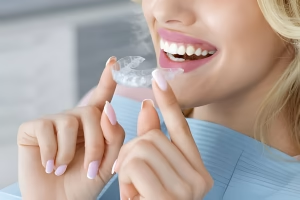
Additional treatment includes a mouth guard which keeps your teeth aligned and will stop you from grinding your teeth during your sleep when you have no control, physiotherapy and in extreme cases, surgery. If you think your TMJ Disorder is the result of stress then you can prevent a re-occurrence by introducing some long-term relaxation techniques into your life – take a holiday, cut back at work and introduce some you time into the day. Whilst this may seem impossible on the surface, it’s worth remembering that if your jaw is suffering because of stress then there could be other areas of your health also suffering and is a good indication that you need to make some changes.

For more information on digital dentistry and developments in the industry, have a chat with the friendly dental team at MGA Dental Gold Coast or Brisbane team phone Gold Coast (07) 5539 9748 or Brisbane (07) 3273 3343 or visit our website to book your appointment online www.mgadental.com.au or email [email protected].
Related Posts

View All

How to Clean Each Type of Retainer

When it comes to dental health, it’s not just about brushing and flossing your teeth. If you wear a retainer, proper cleaning and care are essential to keep it in good condition and maintain your oral health. Cleaning your retainer regularly can prevent the buildup of bacteria and plaque, which can lead to bad breath, […]

Read More

What Causes a Brown Tongue

Noticing that your tongue has changed its color can be a stressful experience if you don’t know what is the cause of the discoloration. Changes in the color of your tongue can be subtle or dramatic, depending on the underlying health issue. In this article, we’ll outline the most common types of tongue discoloration to […]

Read More

A Guide To Eating After Tooth Extraction

Recuperating after tooth extraction can be unpleasant if you don’t pay attention to what you eat. After the lousy tooth gets extracted, the tissue can get irritated, and make eating and chewing a bit challenging. You should eat soft and liquid foods that require little chewing, and avoid hard and crunchy foods since they can […]

Read More

Is Over-Brushing Your Teeth Bad?

Maintaining good oral hygiene means brushing your teeth twice a day and flossing regularly. But if you’re diligent about your dental care, you may have wondered: is it possible to brush too much? According to dental experts, the answer is yes. Overbrushing can actually cause damage to your teeth and gums over time. If you […]

Read More

Laser Teeth Whitening – How Safe is This Procedure?

A smile is worth a thousand words and white teeth are one of the key factors for a beautiful smile. A bright and happy smile brings confidence and attractiveness. Luckily, there are numerous ways of obtaining them with teeth whitening. Nowadays, one of the most popular treatments for achieving white teeth is laser teeth whitening. […]

Read More

What Is a Cantilever Dental Bridge and When Is It Used?

If you are missing one or more teeth, you may already be exploring options to restore your smile and chewing function. Dental bridges are a common solution, but a traditional bridge is not always suitable for every situation. When neighbouring teeth are not strong enough to provide support on both sides, a cantilever dental bridge […]

Read More

All You Need to Know about Multiple Sclerosis and Dental Extractions

Multiple Sclerosis (MS) may not seem directly related to dental health at first glance, but the connection is stronger than many realise. This chronic neurological condition can affect a person’s ability to maintain proper oral hygiene, leading to an increased risk of dental problems and complications during treatments such as tooth extractions. Understanding how Multiple […]

Read More

How Can Osteoporosis Affect Your Teeth?

Osteoporosis is usually thought of as a condition that affects the hips, spine, or wrists. Dental health is not often part of the conversation. However, osteoporosis can have a real and sometimes overlooked impact on your oral health. Bones throughout the body are affected by osteoporosis, including the jawbone that supports your teeth. When bone […]

Read More
Onlay vs Crown

Onlay vs Crown: Which One to Go For?

When a tooth is damaged or weakened, your dentist may recommend a dental onlay or a crown to restore its strength and appearance. While both options protect and rebuild teeth, they differ in how much of the tooth they cover and how they’re applied. In this article, we’ll explain the key differences between onlays and […]

Read More