Ceramic Braces: Pros, Cons and Other Types of Braces
31 August 2020 | Updated: 12 December 2025

A straight smile is not only about appearance. Properly aligned teeth and a healthy bite play an important role in long-term oral health, comfort, and confidence. Most people know someone who has worn braces, and many Australians consider orthodontic treatment at some stage, whether as teenagers or later in adulthood. Today, orthodontics offers far more choice than it once did, making it easier to find a solution that suits different needs, lifestyles, and budgets.
Ceramic braces, often referred to as clear braces, have become a popular option for patients who want effective orthodontic treatment with a more discreet look. They are commonly used to straighten teeth and correct bite issues while blending in more naturally with the colour of the teeth compared to traditional metal braces.
While the overall treatment time is usually similar across different types of braces, the differences lie in appearance, comfort, durability, and maintenance. Each orthodontic option has its own advantages and limitations, which is why choosing the right type of braces should always be based on individual clinical needs and personal preferences.
This article explores the pros and cons of ceramic braces, how they compare to other types of braces, and what patients should consider when deciding on orthodontic treatment.
What Are Ceramic Braces?
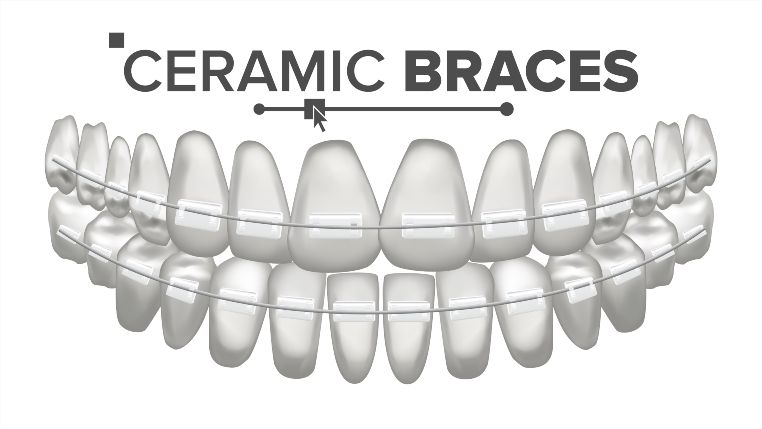
Ceramic braces are a fixed orthodontic treatment used to straighten teeth and correct bite alignment, working in a similar way to traditional metal braces. The key difference is the material used for the brackets. Instead of metal, ceramic braces use tooth-coloured or clear ceramic brackets, making them much less noticeable during everyday activities such as talking or smiling.
The brackets are attached to the front surface of the teeth and connected by an orthodontic wire, supported by small elastic bands. These elastics are often clear or matched to the colour of the brackets to keep the overall appearance as subtle as possible.
Functionally, ceramic braces apply controlled pressure to gradually move teeth into their correct positions over time. Orthodontists in Australia may recommend ceramic braces for patients who require comprehensive orthodontic correction but prefer a more aesthetic option than metal braces.
Ceramic braces are particularly popular among adults and older teenagers who want effective results without the visibility of traditional braces. However, like all orthodontic treatments, they come with specific considerations around care, durability, and cost, which should be discussed with your dentist or orthodontist before starting treatment.
Pros and Cons of Ceramic Braces
Below is a clear overview of the main advantages and disadvantages of ceramic braces, particularly when compared with traditional metal braces.
Pros of Ceramic Braces
- Less visible appearance
Ceramic braces are made from clear or tooth-coloured materials, which allows them to blend in with natural teeth. This makes them a popular choice for patients who prefer a more discreet orthodontic option.
- Comparable treatment time
Treatment with ceramic braces typically takes between 18 and 36 months, which is similar to metal braces. While clear aligner systems such as Invisalign can also be effective, treatment duration may vary depending on the complexity of the case and can sometimes extend longer, influencing overall cost.
- Improved comfort
Many patients report that ceramic braces feel more comfortable than metal braces. The ceramic material tends to be smoother, which may reduce irritation to the cheeks and gums, especially during the early stages of treatment.
- More aesthetic options
Unlike metal braces, which usually have a silver or grey appearance, ceramic braces can be paired with clear or tooth-coloured elastics. This allows for a more subtle look throughout treatment.
Cons of Ceramic Braces
- Higher risk of gum sensitivity
Ceramic brackets are slightly larger than metal ones, which can make cleaning around them more challenging. If oral hygiene is not carefully maintained, this may lead to gum irritation or inflammation.
- Lower durability
Ceramic brackets are more fragile than metal and are more prone to chipping or breaking. During removal, extra care is required, as there is a small risk of enamel damage if not handled correctly by an experienced professional.
- Slower tooth movement in some cases
Because ceramic braces are more delicate, orthodontists may apply gentler adjustments. This can sometimes result in slightly longer treatment times, particularly if brackets break and need replacing.
- Potential for staining
While the ceramic brackets themselves are resistant to stains, the elastic ties that hold the wire in place can discolour over time, especially with certain foods and drinks. These ties are replaced during regular adjustment visits.
Other Types of Braces
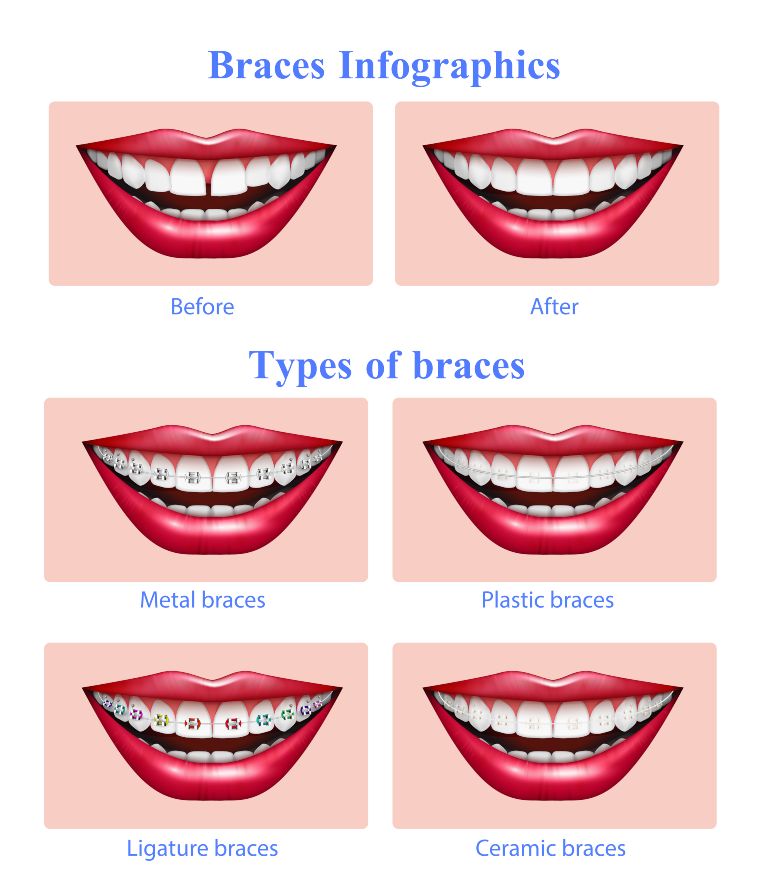
Today, both adults and teenagers have more orthodontic options than ever before. Each type of braces works in a slightly different way and may be better suited to certain alignment issues, lifestyles, or aesthetic preferences. Below are some of the most common types of braces you may consider.
Conventional Braces
Traditional metal braces have evolved significantly over the years. In the past, metal bands were placed around most teeth. Modern conventional braces use individual brackets bonded to the front of each tooth, connected by a wire. In some cases, a few bands may still be used around back teeth for added support.
Ceramic braces, often referred to as clear braces, are a more aesthetic variation of conventional braces, replacing metal brackets with tooth-coloured or clear ones.
Conventional braces are widely used and often offer the shortest treatment time, particularly for more complex cases. Once treatment is complete, most patients will need to wear retainers to help keep their teeth in their new position.
Aligners
Aligners are clear, removable trays that gradually move teeth into alignment. They are typically changed every one to two weeks and need to be worn for around 20 to 22 hours per day. Aligners are removed for eating, drinking, and cleaning teeth. Invisalign is the most well-known brand of clear aligners.
Aligners are less noticeable than fixed braces and make brushing and flossing easier. However, they require a high level of commitment, as consistent wear and regular tray changes are essential. In some cases, treatment may take longer if aligners are not worn as directed.
Self-ligating Braces
Self-ligating braces use a specialised clip or sliding mechanism to hold the orthodontic wire in place, rather than elastic bands. This design can reduce friction and allow teeth to move more freely.
Many patients find self-ligating braces more comfortable than traditional braces. They often require fewer adjustment appointments and may offer a smoother treatment experience overall.
Lingual Braces
Lingual braces work in much the same way as conventional braces, but the brackets are attached to the inner surface of the teeth, facing the tongue.
Because they are positioned behind the teeth, lingual braces are barely visible and are one of the most discreet orthodontic options available. They are custom-made for each patient and tend to cost more than other types of braces. While effective, they may take some time to adjust to, particularly with speech and tongue comfort.
Cost of Ceramic Braces
Orthodontic treatment, including ceramic braces, is not always fully covered by standard dental insurance. In many cases, patients may need a separate orthodontic plan, and coverage can vary depending on whether the treatment is for a child, teenager, or adult. These differences can influence both the overall cost and the expected length of treatment.
The final cost of ceramic braces is also affected by factors such as case complexity, treatment duration, and the durability of the brackets. Because ceramic brackets are more delicate than metal ones, occasional repairs or replacements may contribute to the overall cost.
On average, the cost of ceramic braces typically ranges between AUD $4,000 and $8,000 from the start of treatment until removal. A personalised consultation is the best way to receive an accurate estimate based on your individual orthodontic needs.
Which Braces Are Right for Me?
There is no single answer to this question, as the right type of braces depends on individual needs, preferences, and lifestyle. Several key factors usually guide this decision.
Visibility of Braces
If you are not concerned about braces being noticeable, traditional metal braces may be a suitable option. For patients who prefer a more discreet look, ceramic braces blend more naturally with the teeth. Lingual braces and clear aligners, such as Invisalign, are also popular choices for those seeking less visible treatment options.
Self-discipline
Clear aligners work best for patients who are organised and able to wear them for around 20 to 22 hours per day, removing them only for meals and oral hygiene. If maintaining this routine feels challenging, fixed options such as ceramic, metal, or lingual braces may be more suitable, as they remain in place throughout treatment.
Type of Orthodontic Treatment Needed
The complexity of your orthodontic concerns plays an important role in determining the most effective treatment. Many alignment issues can be treated with different types of braces. However, more complex cases, such as significant tooth rotations or jaw misalignment, are often best managed with traditional metal braces. A consultation with an orthodontist is essential, as they can recommend the most appropriate option based on clinical assessment.
Cost Considerations
Cost is an important factor for many patients. Metal braces are generally the most affordable option. If budget is less of a concern, the decision can be guided more by comfort, appearance, and lifestyle preferences. Discussing costs and payment options during your consultation can help clarify what works best for you.
Is There a Way to Straighten Teeth Without Braces?
The short answer is yes. In some cases, it is possible to straighten teeth without traditional braces, depending on the type and severity of the orthodontic issue.
For minor alignment concerns, such as small gaps, mild crowding, or slightly protruding teeth, clear aligner treatment like Invisalign may be an effective option. Aligners are removable and discreet, making them appealing for patients seeking a less noticeable approach to orthodontic care.
However, not all orthodontic problems can be treated with aligners. More complex cases may require fixed appliances to achieve proper and lasting results. In these situations, ceramic or lingual braces may be recommended as a more suitable alternative. For severe misalignment or jaw-related issues, metal braces often remain the most effective treatment option due to the level of control they provide.
Because each smile is different, the best approach is always guided by a professional assessment. Speaking with an orthodontist allows you to understand which treatment will deliver the safest and most predictable outcome, even if it differs from your initial preference.
Expert Orthodontic Care at MGA Dental
Choosing the right type of braces is only part of the process. Achieving long-lasting results depends on accurate diagnosis, personalised treatment planning, and experienced orthodontic care.
At MGA Dental, our team in the Gold Coast and Brisbane offers comprehensive orthodontic solutions, including ceramic braces, metal braces, lingual braces, and clear aligners. We take the time to assess your individual needs, explain your options clearly, and recommend a treatment plan that aligns with both your oral health goals and lifestyle.
Whether you are considering orthodontic treatment for yourself or your child, we are committed to providing high-quality care in a supportive and comfortable environment. If you would like to learn more about ceramic braces or explore which orthodontic option is right for you, contact us at MGA Dental and our team will be happy to help.