10 Common Causes of Bad Breath and How to Get Rid of It
24 August 2017 | Updated: 8 May 2026

Bad breath, also known as halitosis, is a common issue that can affect confidence, social interactions, and overall wellbeing. While occasional bad breath is normal, persistent unpleasant breath may point to an underlying oral health or medical issue that should not be ignored.
Many people assume bad breath is always caused by poor oral hygiene, and in many cases, that is true. However, the cause is not always straightforward. Research suggests that some cases of halitosis may be linked to issues outside the mouth, including dry mouth, diet, sinus problems, or certain medical conditions.
The good news is that identifying the cause is often the first step toward improving it.
What Causes Bad Breath?
Bad breath is usually caused by bacteria that build up inside the mouth. As bacteria break down food particles and plaque, they release unpleasant-smelling compounds.
Poor oral hygiene, gum disease, dry mouth, diet, and smoking are among the most common contributing factors.
1. Inadequate Brushing
One of the leading causes of bad breath is plaque buildup caused by insufficient brushing.
Bacteria naturally collect on the teeth and gums throughout the day. If plaque is not removed regularly, it can contribute to unpleasant odours and increase the risk of tooth decay and gum disease.
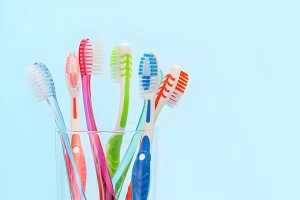
Brushing thoroughly twice daily with fluoride toothpaste is essential for maintaining fresh breath and healthy teeth.
2. Skipping Flossing

Your toothbrush cannot effectively clean between all teeth. Food particles and plaque trapped between teeth can quickly contribute to bad breath if not removed regularly.
Daily flossing helps clean areas your toothbrush cannot reach and supports healthier gums.
3. Bacteria on the Tongue
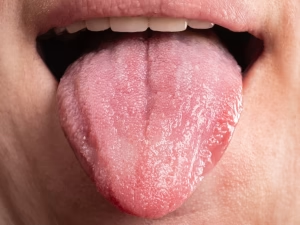
The tongue can hold a significant amount of bacteria, especially toward the back surface. A white or yellow coating on the tongue may contribute to unpleasant breath.
Using a tongue scraper or gently brushing the tongue daily may help reduce bacterial buildup and improve breath freshness.
4. Dry Mouth (Reduced Saliva)
Saliva helps naturally clean the mouth by washing away bacteria and food debris.
When saliva production decreases, bacteria can accumulate more easily, increasing the risk of bad breath.
Dry mouth may be caused by:
- Dehydration
- Certain medications
- Mouth breathing
- Smoking
- Medical conditions
Staying hydrated throughout the day can help support saliva production.
5. Gum Disease
Persistent bad breath can sometimes be a sign of gum disease.
Inflamed gums and deep periodontal pockets allow bacteria to grow beneath the gum line, often producing strong odours.
Other symptoms may include:
- Bleeding gums
- Gum swelling
- Gum recession
- Loose teeth
Professional dental treatment is often needed if gum disease is present.
6. Certain Foods and Drinks

Some foods naturally contribute to stronger breath odours.
Common triggers include:
- Garlic
- Onions
- Coffee
- Alcohol
- Strong teas
In some cases, the smell enters the bloodstream and is released through the lungs, which is why brushing alone may not fully eliminate the odour immediately.
7. Smoking and Tobacco Use
Smoking is a major contributor to bad breath. Tobacco products reduce saliva flow, increase bacterial buildup, stain teeth, and raise the risk of gum disease.
Quitting smoking benefits not only your breath, but also your long-term oral and general health.
8. Extreme or Low-Carbohydrate Diets
Certain restrictive diets, especially low-carbohydrate or “crash” diets, may cause a distinctive breath odour. When the body burns fat for energy, it produces chemicals called ketones, which can create a fruity or acetone-like smell.
This type of breath odour is not always related to oral hygiene.
9. Medical Conditions
Sometimes bad breath may be linked to underlying medical issues rather than the mouth itself.
Possible contributing conditions include:
- Sinus infections
- Tonsil stones
- Acid reflux
- Diabetes
- Respiratory infections
If bad breath persists despite good oral hygiene, medical assessment may also be appropriate.
10. High Blood Sugar or Diabetes
An acetone-like smell on the breath may sometimes be associated with uncontrolled diabetes or very low insulin levels. This occurs because the body starts breaking down fat for energy, producing ketones.
If this type of breath odour appears suddenly or is accompanied by other symptoms, medical attention is important.
How to Improve Bad Breath
Simple daily habits can make a significant difference.
Helpful steps include:
- Brushing twice daily
- Flossing every day
- Cleaning the tongue
- Staying hydrated
- Using antibacterial mouthwash if recommended
- Attending regular dental check-ups
- Reducing smoking and tobacco use
Persistent bad breath should never be ignored, especially if accompanied by pain, bleeding gums, or swelling.
When Should You See a Dentist?
You should consider booking a dental appointment if:
- Bad breath continues despite good oral hygiene
- You notice bleeding or swollen gums
- You experience tooth pain or sensitivity
- You have dry mouth that does not improve
- Friends or family repeatedly notice the issue
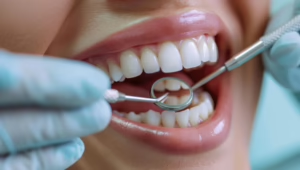
A dentist can assess whether the cause is related to oral health and recommend appropriate treatment.
Bad Breath Treatment at MGA Dental Clinic
Persistent bad breath can often be improved once the underlying cause is identified.
At MGA Dental clinic, we provide comprehensive dental assessments to help identify issues such as gum disease, plaque buildup, tooth decay, dry mouth, and other factors contributing to halitosis. Our team focuses on long-term oral health solutions, not just temporary fixes.
With clinics on the Gold Coast and in Brisbane, we’re here to help you achieve healthier gums, fresher breath, and greater confidence.
If you are concerned about ongoing bad breath, feel free to contact MGA Dental and arrange a consultation.