What Are the Types of Dental Prosthesis?
11 April 2022 | Updated: 16 December 2025
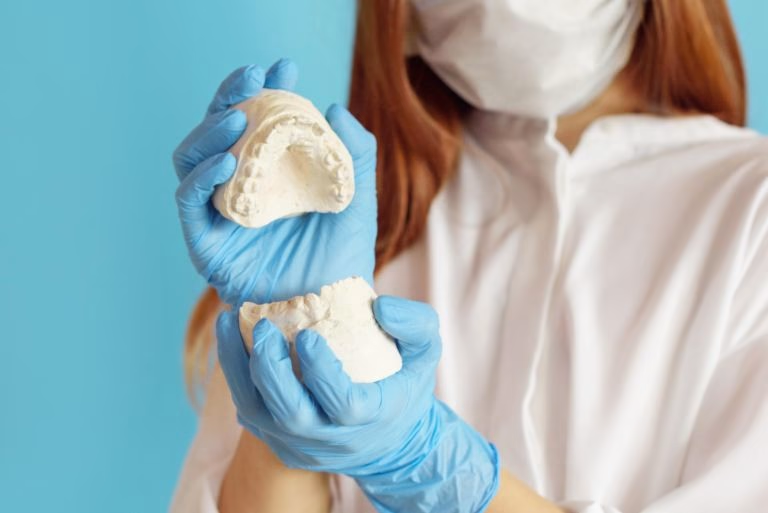
Dental prostheses are devices used to replace missing teeth or restore teeth that have been severely damaged. While many people associate them mainly with improving appearance, dental prostheses play a much bigger role in overall oral health. They help restore normal chewing and speaking function, reduce the risk of gum disease around missing teeth, and prevent jawbone weakening that can occur over time.
Modern dentistry offers several types of dental prostheses, each designed for different clinical situations. Choosing the right option depends on factors such as how many teeth are missing, the condition of surrounding teeth, bone health, and lifestyle preferences.
In this article, we explore the main types of dental prostheses to help you understand your options and have an informed discussion with your dentist about the most suitable solution for you.
Types of Dental Prostheses
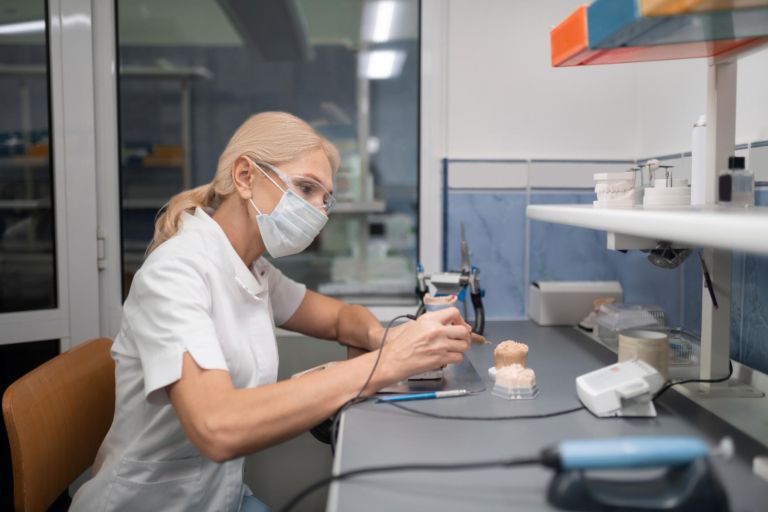
Dental prostheses are generally grouped into non-removable (fixed) and removable options. There are also partially removable, or combined, prostheses that include features of both.
Non-Removable Dental Prosthesis
Dental Bridges
Dental bridges are used to replace one or more missing teeth by anchoring an artificial tooth between two crowns placed on neighbouring teeth. They are commonly recommended when adjacent teeth need restoration due to decay or damage.
In cases where natural teeth are not strong enough to support a bridge, implant-supported bridges may be used. These rely on dental implants for support rather than surrounding teeth, providing greater stability and longevity.
Dental Crowns
Dental crowns are protective caps placed over teeth that have been weakened by decay, trauma, or treatments such as root canal therapy. Crowns restore the tooth’s shape, strength, and function.
Crowns can be made from ceramic, porcelain, metal, or a combination of materials. The material choice influences durability, appearance, and cost.
Crowns can be placed using:
Your dentist will recommend the most appropriate option based on your tooth and circumstances.
Dental Implants
Dental implants are screw-like prosthetic devices placed into the jawbone to replace missing tooth roots. Once integrated with the bone, they can support:
Implant-supported crowns replace the entire tooth structure, including the root. Implant-retained dentures, sometimes called snap-in dentures, use implants for stability but can still be removed daily for cleaning.
Removable Dental Prosthesis
Full Dentures (Total Plates)
Full dentures are used when all natural teeth are missing. They consist of a base made from acrylic, nylon, or metal, with artificial teeth attached. These dentures rely on suction for stability, and over time may require denture adhesive for added support.
Although removable, full dentures provide reliable function and are often more affordable than fixed full-arch implant solutions.
Partial Dentures
Partial dentures are suitable for patients who still have some healthy natural teeth. They are typically made from a combination of metal and acrylic, although fully acrylic versions are also available.
Replacing missing teeth with a partial denture helps:
-
Maintain gum and jawbone health
-
Prevent neighbouring teeth from shifting
-
Support facial structure and appearance
Partial dentures are a less invasive option and can be an effective solution when fixed treatments are not suitable.
Clasp Prostheses
Clasp prostheses are a type of partial denture designed for comfort and stability. They consist of a thin metal framework that fits closely against the gums and is supported by remaining teeth.
Despite their size, clasp prostheses are comfortable for everyday use when properly designed. The adaptation period is usually short, often taking a few weeks. Care is similar to natural teeth, involving regular brushing and flossing.
Choosing the Right Dental Prosthesis
Each type of dental prosthesis has its advantages, and the right choice depends on your oral health, functional needs, and personal preferences. A thorough dental examination is essential to determine the most suitable treatment.
How Long Do Dental Prostheses Last?
The lifespan of a dental prosthesis depends on the type used, the materials, and how well it is cared for. Fixed options such as crowns, bridges, and implants can last many years, often over a decade, with good oral hygiene and regular dental check-ups. Removable prostheses may require adjustments or replacement over time as the jaw and gums naturally change.
Regular reviews allow your dentist to monitor fit, function, and wear, helping extend the life of your prosthesis and prevent complications.
Dental Prosthetic Care at MGA Dental
At MGA Dental clinics in Brisbane and the Gold Coast, our team provides comprehensive dental prosthetic solutions tailored to each patient’s needs. We take the time to assess your oral health, explain all available options clearly, and recommend treatments that restore function, comfort, and confidence.
Whether you need crowns, bridges, implants, or removable prostheses, our experienced clinicians are here to help you make an informed decision.
If you’re exploring dental prosthetic options, get in touch with our team at MGA Dental to book a consultation and discuss the most suitable solution for restoring your smile with confidence.