A Comprehensive Guide on Mini Dental Implants
23 December 2021 | Updated: 15 December 2025

Missing teeth can affect much more than your smile. They can change how you chew, speak, and feel about your appearance. For many patients, dental implants are the preferred solution, but not everyone is comfortable with the idea of complex surgery or meets the bone requirements for conventional implants.
Mini dental implants offer an alternative in certain cases. They are less invasive, quicker to place, and may be suitable for patients who are not ideal candidates for traditional implants due to reduced jawbone density.
In this article, we explore what mini dental implants are, how they work, who they are suitable for, and how they compare to conventional dental implants.
What Are Mini Dental Implants?
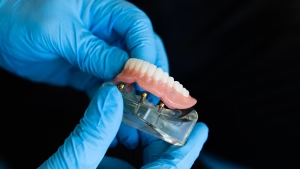
Mini dental implants are small-diameter implants used to replace one or more missing teeth or to stabilise removable dentures. They are made from titanium and are designed to integrate with the jawbone, similar to conventional implants.
Unlike standard implants, mini implants are typically less than 3 mm in diameter and consist of a single-piece screw with a small ball-shaped end that protrudes above the gum line. This design allows them to support crowns, bridges, or dentures while requiring less bone volume for placement.
Mini dental implants can be used:
-
To replace individual missing teeth
-
As support for fixed crowns or bridges
-
To secure lower dentures and prevent movement
Who Is a Suitable Candidate for Mini Dental Implants?
Mini dental implants are not suitable for everyone. They are generally not recommended for children or individuals whose jawbones are still developing, as bone growth may interfere with implant stability.
While mini implants require less bone density than traditional implants, they may still not be suitable in cases of severe bone loss or advanced dental disease.
Certain medical conditions may affect eligibility, including:
A full dental and medical assessment is always required before proceeding.
How Are Mini Dental Implants Placed?
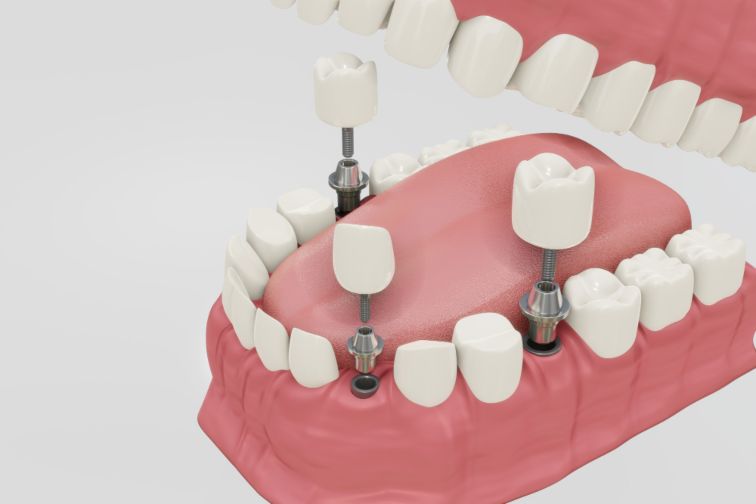
Before placement, your dentist will take dental X-rays to assess bone structure and determine the exact implant position.
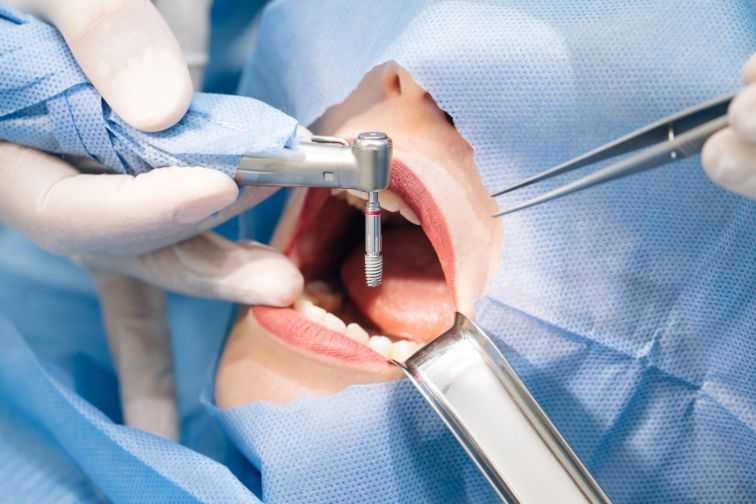
Dental implant procedure generally involves:
-
Administering a local anaesthetic to numb the area
-
Creating a small opening in the jawbone
-
Inserting the mini implant post
-
Tightening the post for stability
-
Attaching the replacement tooth or denture component
-
Checking fit, alignment, and bite
In many cases, drilling is minimal or not required, as the threaded design allows the implant to secure itself into the bone. When multiple implants are placed, the posts are usually inserted first, followed by attachment of replacement teeth. Stitches are typically not needed.
Pros and Cons of Mini Dental Implants
Understanding the advantages and limitations of mini dental implants can help you decide whether this treatment is the right solution for your dental needs.
Benefits of Using Mini Dental Implants
Mini dental implants offer a range of advantages for patients who are suitable candidates. Because of their smaller size and simpler design, the procedure is generally less invasive than conventional implant surgery.
Key benefits include:
- Less invasive treatment, which usually means less discomfort during and after the procedure
- Faster recovery time, allowing most patients to return to normal activities sooner
- Lower overall cost compared to traditional dental implants
- No bone grafting in many cases, making them an option for patients with reduced jawbone density
- Quicker treatment process, often completed in fewer dental visits
- Ability to fit into smaller or narrower spaces, including areas where standard implants may not be suitable
- Easier replacement or repair, due to the smaller size of the implant
- Greater stability than removable dentures or bridges, improving comfort and function
- Support for jawbone and facial structure, helping reduce the risk of bone shrinkage after tooth loss
For some patients, mini dental implants can also be placed immediately after a tooth is removed, which may shorten overall treatment time.
Limitations of Mini Dental Implants
Despite these benefits, mini dental implants are not considered a permanent solution in all cases. In orthodontics, they are sometimes referred to as temporary anchorage devices, reflecting their more limited lifespan compared to conventional implants.
Important limitations to consider include:
- Not intended for long-term use in every situation
- Less suitable for upper molars or areas exposed to strong chewing forces
- Increased risk of wear or failure in patients who grind or clench their teeth
- Higher likelihood of needing replacement when compared to standard dental implants
While mini implants can often be placed quickly, sometimes during the same visit as a tooth extraction, their durability is generally lower than that of traditional implants. This is why careful case selection and professional guidance are essential when considering this treatment option.
Mini Dental Implants vs Conventional Dental Implants
Both mini and conventional implants can be effective, depending on the situation.
Conventional dental implants:
-
Require more invasive surgery
-
Often involve multiple appointments over several months
-
Are designed to be a permanent solution
-
Offer greater strength and durability
Mini dental implants:
-
Are placed more quickly, often in one visit
-
Require less bone volume
-
Are ideal where space is limited
-
Are generally not recommended for heavy chewing areas
Patients with low bone density or certain health conditions may not be suitable for conventional implants, making mini implants a potential alternative.
How to Care for Mini Dental Implants
Mini dental implants should be cared for in much the same way as your natural teeth. Because they are not designed to last indefinitely, maintaining good oral hygiene is especially important to help extend their lifespan and prevent complications.
Brushing twice a day and flossing carefully around the implant area helps reduce plaque build-up and protects the surrounding gum tissue. Regular dental check-ups are also essential, as they allow your dentist to monitor the implant, assess gum health, and identify any early signs of inflammation or loosening. With consistent daily care and routine professional visits, potential issues can be detected early and managed before they become more serious.
How Long Do Mini Dental Implants Last?
Mini dental implants have been used for approximately 20 years, and long-term data is still evolving. They are generally considered a short- to medium-term solution rather than a permanent replacement.
Their lifespan varies widely depending on factors such as bite pressure, oral hygiene, and overall health. In some cases, they may last several years, while in others they may need repair or replacement sooner.
Mini Dental Implant Care at MGA Dental
Choosing the right solution for missing teeth starts with expert assessment and personalised care. At MGA Dental clinics in Brisbane and the Gold Coast, our experienced team provides comprehensive implant consultations, including advice on whether mini dental implants or conventional implants are the best option for your needs.
If you are considering mini dental implants or would like to explore your options for replacing missing teeth, contact our team at MGA Dental to book a consultation and receive professional guidance tailored to you.