What Is Tartar and Why Does It Matter for Your Oral Health?
15 February 2020 | Updated: 2 February 2026

Most people know the basics of good oral hygiene: brushing twice a day, flossing daily, and using mouthwash. These habits are essential, but they are only part of the picture.
Even with consistent home care, bacteria can still accumulate in the mouth and gradually affect the health of your teeth and gums. One of the most common results of this process is tartar.
Tartar, also known as dental calculus, plays a significant role in many dental problems, including cavities and gum disease. Understanding how tartar forms, why it is harmful, and how it can be managed is key to protecting your long-term oral health.
This article explains what tartar is, how it develops, how it affects your teeth and gums, and what you can do to prevent and manage it safely.
What Is Tartar?
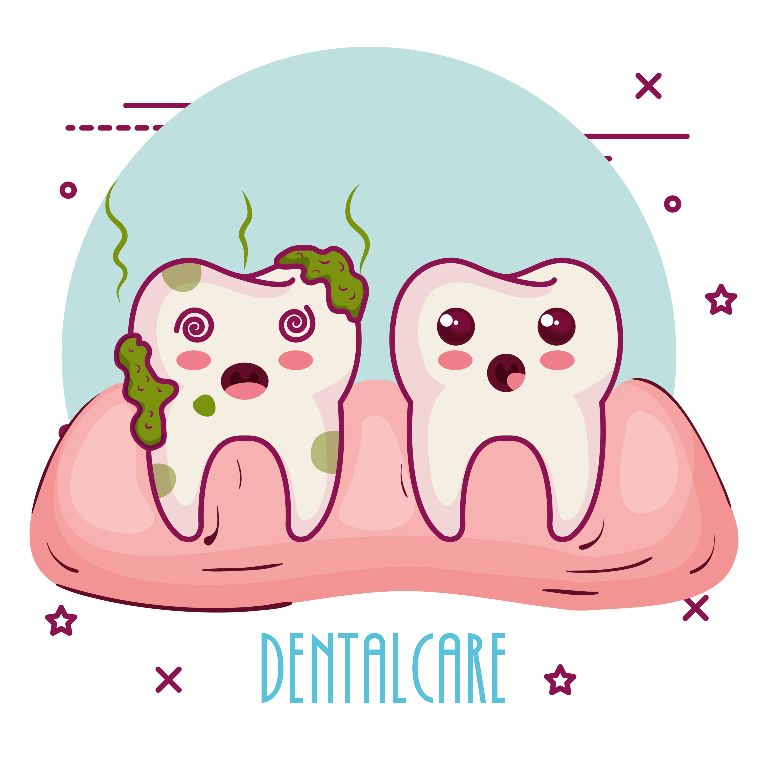
Tartar is hardened dental plaque. Plaque itself is a sticky, colourless film that forms on your teeth when bacteria in the mouth mix with food particles and saliva. It develops constantly, especially after eating or drinking, and tends to collect along the gum line and between teeth.
When plaque is not removed thoroughly and regularly, it absorbs minerals from saliva and hardens into tartar. Once this happens, it becomes rough and porous, making it even easier for bacteria to attach and multiply. Tartar can form both above and below the gum line and cannot be removed with brushing or flossing alone.
This is why professional dental cleaning is essential, even for people who maintain good oral hygiene at home.
How Tartar Affects Your Teeth and Gums
Tartar is more than a cosmetic issue. Its rough surface irritates the gums and creates an ideal environment for bacteria to thrive. Over time, this can lead to a range of oral health problems.
Common effects of tartar buildup include:
When tartar builds up above the gum line, it can inflame the surrounding gum tissue. This often leads to gingivitis, the earliest stage of gum disease. Gingivitis is usually reversible with professional cleaning and improved home care.
If tartar continues to accumulate below the gum line, the condition can progress to periodontitis. At this stage, infected pockets form between the teeth and gums. The body’s immune response, combined with bacterial toxins, can damage the tissue and bone that support the teeth. Without treatment, this may eventually result in loose teeth or tooth loss.
Why Tartar Cannot Be Removed at Home
While plaque can be removed with proper brushing and flossing, tartar is firmly bonded to the tooth surface. Once it forms, home remedies and over-the-counter tools are not effective and may even cause harm. Trying to remove tartar at home with sharp tools can easily cause gum injuries and bleeding, lead to gum recession and exposed tooth roots, damage tooth enamel, increase sensitivity, and raise the risk of soft tissue infection.
Dental professionals undergo extensive training to safely remove tartar using specialised instruments and techniques. For this reason, tartar removal should always be performed by a dentist or dental hygienist.
How Dentists Remove Tartar
Professional tartar removal involves a thorough cleaning process designed to restore a healthy environment in the mouth. Depending on the extent of buildup and gum health, one or more of the following procedures may be recommended.
Scaling
Scaling removes plaque and tartar from the tooth surface, including areas below the gum line. Dentists use specialised hand instruments or ultrasonic devices to break up and remove hardened deposits.
Root Planing
If tartar has affected the root surfaces, root planing may be required. This procedure smooths the tooth roots and removes bacterial toxins, helping gums reattach more securely to the teeth and reducing the risk of further buildup.
Tooth Polishing
After scaling, teeth are polished to remove remaining soft plaque and surface stains. Polishing leaves the teeth smoother, making it harder for plaque to accumulate and improving the overall appearance of your smile.
These treatments are routine, safe, and effective. Early intervention often means simpler treatment and better long-term outcomes.
How to Prevent Tartar Buildup
Although tartar cannot be removed at home, there are effective ways to reduce plaque formation and slow the process that leads to tartar.
Key prevention strategies include:
Saliva also plays an important role in oral health. Staying hydrated helps stimulate saliva production, which naturally washes away food particles and neutralises acids.
Natural Ways to Reduce Tartar
Some people use natural methods alongside regular oral hygiene to support oral health. While these may offer minor benefits, they should never replace professional care.
Examples include:
-
Oil pulling: Swishing coconut oil may help reduce bacteria levels, but evidence is limited.
-
Baking soda: Mild abrasive properties can help with surface stains but should be used sparingly.
-
Aloe vera: Known for antimicrobial effects, though not a substitute for dental cleaning.
-
Green tea rinses: Contains fluoride and antioxidants that may support oral health.
If you choose to try these methods, discuss them with your dentist to ensure they are safe for your teeth and gums.
Why Regular Dental Visits Matter
Even with excellent home care, plaque can still form in hard-to-reach areas. Regular professional cleanings allow early detection and removal of tartar before it causes more serious problems.
Routine dental visits help to:
-
Prevent gum disease and tooth decay
-
Maintain healthy gums and bone support
-
Improve breath and appearance
-
Reduce the need for more invasive treatment
Early care is always more comfortable, more affordable, and more effective.
Dental Care Support at MGA Dental
If you are concerned about tartar buildup, gum health, or persistent plaque, professional care is the safest and most effective solution. At MGA Dental clinic, our experienced team provides thorough dental assessments and professional cleaning tailored to your individual needs.
With clinics serving patients in Australia, MGA Dental focuses on preventative care, patient education, and long-term oral health. Whether you are due for a routine clean or noticing early signs of gum disease, our team is here to help.
Contact MGA Dental clinics in Brisbane and the Gold Coast to book a consultation and receive personalised care to support healthier teeth, cleaner gums, and a confident smile.