What to Eat After Tooth Extraction
19 December 2022 | Updated: 12 January 2026
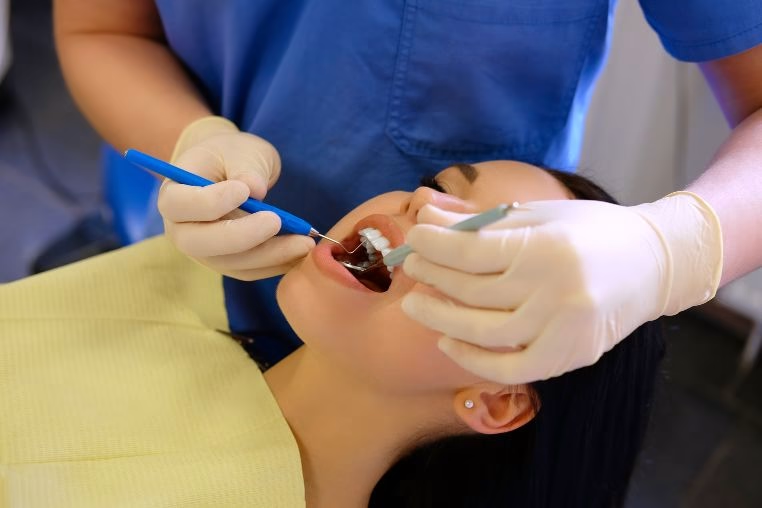
Recovering from a tooth extraction does not end when the procedure is over. What you eat in the days that follow plays a major role in how quickly and comfortably your mouth heals. Choosing the wrong foods too soon can irritate the extraction site, dislodge the protective blood clot, and increase the risk of pain, swelling, or infection.
While some tenderness is expected after an extraction, following the right post-extraction diet can significantly reduce discomfort and help your gums heal properly.
This guide explains why extractions are sometimes necessary, what to eat and avoid afterward, and how to support a smooth recovery.
Why Tooth Extraction May Be Necessary
Dentists always aim to preserve natural teeth whenever possible. Tooth extraction is typically considered only when other treatments are no longer viable.
Common reasons for the need to get your tooth extracted include:
Advanced Tooth Decay
When decay is too extensive to be repaired with a filling, crown, or root canal, removing the tooth may be the safest way to prevent infection from spreading.
Gum Disease
Advanced periodontal disease can weaken the bone and tissues supporting a tooth, causing looseness that may require extraction.
Impacted or Problematic Wisdom Teeth
Wisdom teeth that are trapped in the jaw or erupt at an angle often need removal to prevent pain, infection, or damage to neighbouring teeth.
Overcrowding
In some cases, extraction is required to create space for orthodontic treatment and improve bite alignment.
Dental Trauma
Teeth that are fractured or damaged beyond repair due to accidents or sports injuries may need to be removed.
Understanding why an extraction was necessary helps patients appreciate the importance of proper aftercare, especially when it comes to eating.
Why Diet Matters After Tooth Extraction
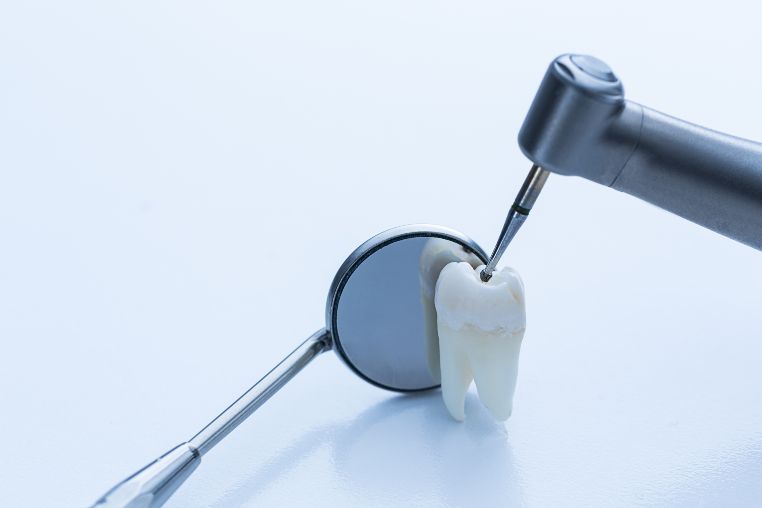
After a tooth is removed, a blood clot forms in the socket. This clot is essential for healing and protecting the underlying bone and nerves. Certain foods, temperatures, and textures can disturb this clot, slowing recovery and increasing the risk of complications such as dry socket.
For the first few hours after the procedure, it is best to avoid eating altogether. Once numbness has worn off, focus on foods that are soft, cool or lukewarm, and easy to swallow.
What to Eat After Tooth Extraction
What you eat after a tooth extraction can significantly influence how quickly and comfortably your mouth heals.
In the first few hours, it is best to avoid eating altogether and allow the extraction site to settle. Once you resume eating, choosing soft foods and avoiding anything hot, hard, or crunchy helps protect the blood clot and supports proper healing.
Soft Foods After Tooth Extraction

Soft foods minimise chewing and reduce pressure on the extraction site, allowing your gums to heal undisturbed. Nutritious options include:
Soup – Blended vegetable or protein-rich soups are ideal. Ensure they are lukewarm rather than hot to avoid irritation.
Ice cream and frozen yoghurt – Cold foods can help soothe swelling and discomfort. Choose smooth varieties without nuts or crunchy add-ins.
Mashed potatoes – Easy to eat, filling, full of nutrients, and gentle on healing gums.
Yogurt – A good source of protein and probiotics. Avoid versions with fruit chunks, seeds, or granola.
Scrambled eggs – Soft, nutritious, packed with protein, and simple to chew.
Oatmeal – Allow it to cool and soften fully before eating to prevent irritation or food particles lodging in the socket.
Cottage cheese – High in protein and easy to consume on its own or with other soft foods.
Smoothies – A convenient way to maintain nutrition. Blend thoroughly and avoid using straws, as suction can dislodge the clot.
Eating small, frequent meals can help maintain energy levels without placing stress on the healing area.
Foods and Drinks to Avoid After Tooth Extraction
Certain foods and habits can interfere with healing and should be avoided until your dentist advises otherwise. Eating the wrong foods too soon can disturb the blood clot, increase pain or swelling, and raise the risk of complications such as infection or dry socket.
Foods to Avoid
Hard or crunchy foods – Nuts, chips, popcorn, and hard lollies can disrupt the blood clot and irritate the wound.
Spicy or acidic foods – Chillies, citrus fruits, and tomato-based foods can cause burning or discomfort at the extraction site.
Chewy or sticky foods – Foods such as caramel, gummies, tough meats, and crusty bread can become lodged in the socket and increase infection risk.
Hot foods and beverages – Heat can dissolve the blood clot and increase swelling, especially in the first few days.
Drinks and Habits to Avoid
Alcohol – Alcohol can interfere with healing and may react with prescribed medications.
Carbonated drinks – Fizzy beverages can irritate the socket and delay healing.
Smoking or vaping – Tobacco use significantly increases the risk of dry socket and slows tissue recovery.
How Long Should You Follow a Soft-Food Diet?
Most patients can gradually reintroduce firmer foods after a few days, depending on the complexity of the extraction and individual healing response. Wisdom tooth extractions or surgical removals may require a longer recovery period.
Your dentist will provide personalised guidance based on your procedure. If pain increases rather than improves, or if eating becomes more difficult over time, a review is recommended.
When to Contact Your Dentist
While mild pain and swelling are expected, certain symptoms require prompt attention:
-
Increasing pain after initial improvement
-
Persistent bleeding
-
Swelling that worsens after several days
-
Bad taste or odour that does not improve
-
Difficulty opening your mouth or swallowing
Early intervention can prevent complications and support proper healing.
Post-Extraction Care at MGA Dental
Recovering from a tooth extraction is easier with the right guidance and follow-up care. At MGA Dental clinic, our team provides clear post-treatment instructions, ongoing support, and prompt assessments if concerns arise after an extraction.
If you have recently had a tooth removed or are preparing for an extraction, we are here to help you heal comfortably and safely. Contact MGA Dental clinic in Brisbane or the Gold Coast to book a consultation and receive personalised care that supports a smooth and safe recovery.