6 Foods That Can Harm Your Teeth
27 January 2018 | Updated: 17 April 2026
Most people don’t look forward to dental visits, especially when treatment is needed. The good news is that many common dental issues, including tooth decay and gum disease, can often be prevented with simple daily habits.
Brushing and flossing are essential, but your diet plays an equally important role. Certain foods, particularly those that are sticky or high in sugar, can increase the risk of enamel damage and cavities. While some of these foods are fine in moderation, frequent consumption without proper care can impact both your oral and overall health.
Below is a practical guide to some of the most common foods that can affect your teeth, along with simple ways to minimise their impact.
1. Soft Drinks
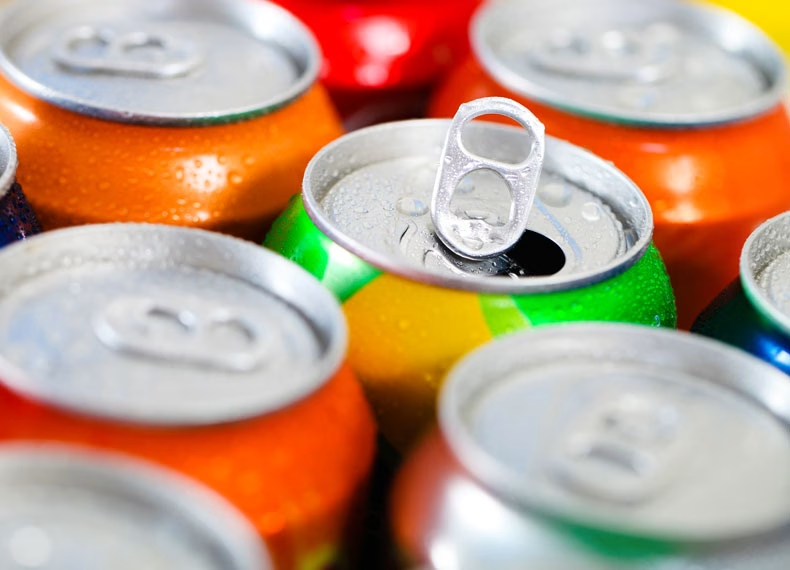
Soft drinks are one of the leading contributors to tooth decay.
They contain high levels of sugar, which feed harmful bacteria, as well as acids that weaken enamel. Even sugar-free options can still be acidic and contribute to enamel erosion.
What you can do:
- Limit how often you consume soft drinks
- Avoid sipping them throughout the day
- Use a straw to reduce contact with teeth
- Rinse your mouth with water afterwards
Some also contain phosphoric acid, which can weaken enamel and, with frequent consumption, may affect bone health.
2. Hard and Sticky Lollies

Not all sweets affect your teeth in the same way, but hard and sticky lollies are among the most damaging.
Hard lollies expose your teeth to sugar for extended periods and can even cause cracks. Sticky lollies cling to tooth surfaces, making it easier for bacteria to thrive.
What you can do:
- Enjoy them occasionally rather than frequently
- Brush and floss after consuming them
- Choose alternatives that clear more easily from your teeth
Limit sticky lollies, as they can stay on your teeth long after eating.
3. Coffee and Tea
Coffee and tea don’t directly damage your teeth, but they can stain enamel over time. The real issue often comes from added sugar, which increases the risk of decay.
What you can do:
- Limit added sugar
- Rinse with water after drinking
- Consider professional cleaning if staining builds up
If you want to keep your smile bright, limit coffee and tea to moderate amounts. Adding sugar increases the risk of decay, so rinse with water after drinking. If staining has already developed, your dentist can help with professional cleaning and whitening.
4. Popcorn

Popcorn may seem like a harmless snack, but it can pose risks to your teeth.
Unpopped kernels can crack teeth, while small pieces can become lodged between teeth or irritate the gums.
What you can do:
- Chew carefully and avoid biting hard kernels
- Floss after eating to remove trapped pieces
- Choose plain popcorn with less added salt and butter
Enjoy popcorn mindfully, and take a moment to clean your teeth afterwards.
5. Potato Chips
Potato chips are high in starch, which breaks down into sugars in the mouth. They also tend to stick to teeth, making them difficult to remove.
This combination creates an ideal environment for plaque and bacteria.
What you can do:
- Rinse your mouth after eating
- Floss to remove residue between teeth
- Limit frequent snacking on chips
If you do indulge, take extra care afterwards. Flossing is essential to remove any residue left behind.
6. Citrus Fruits

Citrus fruits are healthy, but their natural acids can soften enamel if consumed frequently or in certain ways.
This doesn’t mean you should avoid them, just be mindful of how you eat them.
What you can do:
- Avoid prolonged contact, such as sucking on lemons
- Drink citrus juices through a straw
- Rinse your mouth with water afterwards
- Wait at least 30 minutes before brushing your teeth
Try to avoid eating citrus on its own. Pairing it with other foods, such as in a fruit salad, can help reduce its impact on enamel.
A Balanced Approach to Diet and Oral Health
You don’t need to eliminate these foods entirely. The key is moderation, good timing, and proper oral hygiene.
Small habits, like rinsing with water, avoiding constant snacking, and maintaining a consistent brushing routine, can make a significant difference over time.
Keep Your Smile Healthy with MGA Dental Clinic
Diet is just one part of maintaining healthy teeth. Regular dental check-ups ensure that any early signs of decay or enamel wear are identified and managed before they become more serious.
At MGA Dental clinic, we provide preventive, patient-focused care to help you protect your smile long term. Whether you need a routine clean, personalised advice, or treatment, our team is here to support you.
With clinics on the Gold Coast and in Brisbane, we make it easy to stay on top of your oral health.
If you’d like tailored advice on protecting your teeth or it’s time for your next check-up, feel free to contact MGA Dental and book an appointment.