Deep Cleaning of Teeth: What It Is and When You May Need It
27 January 2021 | Updated: 6 February 2026
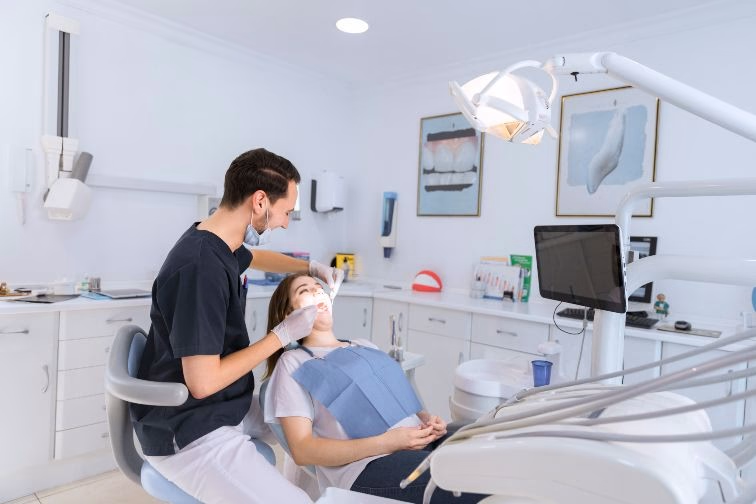
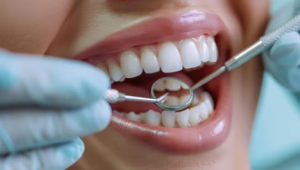
When people hear the term deep cleaning of teeth, many assume it refers to a more thorough brushing routine at home. In reality, dental deep cleaning is a professional treatment designed to address gum disease and remove hardened deposits that cannot be managed with regular brushing and flossing alone.
Deep cleaning is a common and well-established dental procedure performed by a dentist or dental hygienist. It plays an important role in treating gingivitis and early to moderate periodontal disease, particularly for patients who have missed regular dental visits or are showing signs of gum inflammation.
Understanding what deep cleaning involves, when it is recommended, and how it supports long-term oral health can help you take proactive steps to protect your teeth and gums.
In this article, we explain what deep teeth cleaning involves, when it is recommended, and how it helps protect your gums, teeth, and long-term oral health.
What Is Deep Dental Cleaning?
Deep dental cleaning is also known as scaling and root planing or periodontal cleaning. It is a non-surgical treatment designed to clean below the gum line and remove plaque and tartar from areas that cannot be reached during a standard dental clean.
During a routine dental clean, plaque and tartar are removed from the visible surfaces of the teeth, above the gum line. Deep cleaning goes further by targeting the pockets that form between the gums and teeth when gum disease is present.
By cleaning down to the roots of the teeth, deep cleaning helps eliminate bacteria, reduce inflammation, and support healing of the gum tissue.
When Is Deep Cleaning of Teeth Necessary?
Deep cleaning is usually recommended when there are signs of gum disease that cannot be resolved with routine cleaning alone. Your dentist will assess your gum health using measurements, X-rays, and a clinical examination.
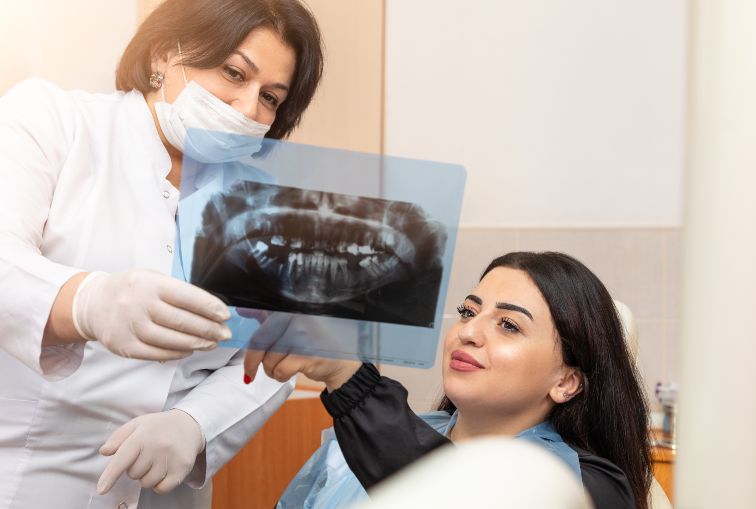
You may be advised to have a deep cleaning if you experience:
Deep cleaning is often recommended as a first step before considering more advanced periodontal treatments or surgery.
Left untreated, gum disease can progress and begin to affect the bone and supporting structures around the teeth, increasing the risk of tooth loosening and tooth loss.
The Deep Teeth Cleaning Procedure Explained
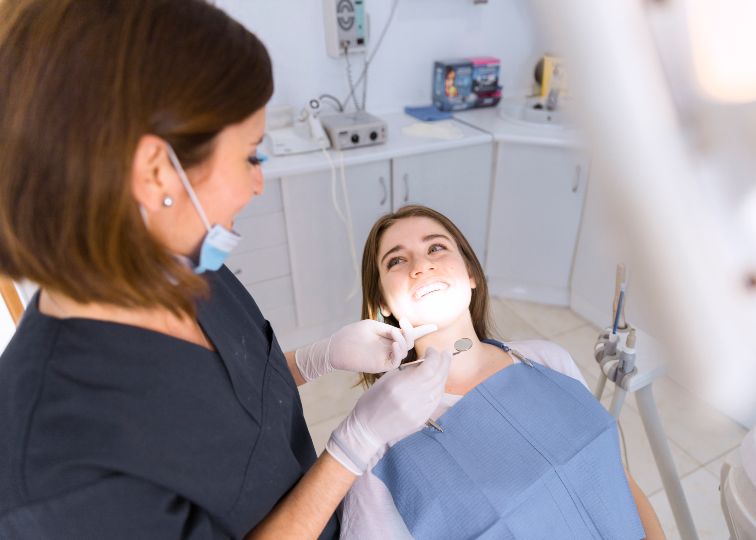
Deep teeth cleaning is a structured periodontal treatment designed to remove harmful bacteria and deposits from below the gum line. It is usually completed in stages and may require one or more appointments, depending on the severity of gum inflammation and the depth of periodontal pockets.
Scaling
Scaling is the first phase of deep cleaning and focuses on removing plaque and hardened tartar (calculus) from areas that regular brushing and flossing cannot reach. During this step, your dentist or dental hygienist carefully cleans:
By removing these deposits, scaling helps eliminate the bacteria that cause gum inflammation and infection. Ultrasonic instruments, hand scalers, or a combination of both may be used to ensure thorough and precise cleaning while minimising discomfort.
Root Planing
Root planing is the second phase of the procedure and involves smoothing and polishing the exposed tooth roots. This step removes remaining bacterial toxins and rough surfaces that encourage plaque to reattach.
Smoothing the roots allows the gums to heal and reattach more closely to the teeth, which helps reduce pocket depth, limits future bacterial buildup, and supports long-term gum stability. It also makes daily oral hygiene easier and more effective.
To keep you comfortable, a local anaesthetic is commonly used during both scaling and root planing. After treatment, some temporary sensitivity or mild soreness is normal and usually resolves within a few days with proper aftercare.
Benefits of Deep Cleaning Teeth
Deep cleaning offers important benefits for patients with gum disease or significant plaque buildup, including:
-
Slowing or stopping the progression of gum disease
-
Reducing inflammation, bleeding, and gum tenderness
-
Shrinking periodontal pockets
-
Improving breath freshness
-
Supporting gum reattachment to teeth
-
Reducing the risk of tooth loss
-
Creating a healthier environment for long-term oral care
Regular deep cleaning, together with good home care and routine dental check-ups, helps control harmful bacteria, improve gum health, and reduce the risk of more serious oral problems.
Possible Side Effects After Deep Cleaning
Deep cleaning is considered a safe and low-risk procedure when performed by trained dental professionals. However, some temporary side effects may occur, including:
-
Mild to moderate gum soreness
-
Tooth sensitivity, particularly to cold
-
Slight swelling or tenderness for one to two days
-
Minor bleeding in the treated areas
These effects usually resolve within one to two weeks as the gums heal. Your dentist may recommend desensitising toothpaste, saltwater rinses, or specific aftercare instructions to support recovery.
Deep Cleaning Teeth Aftercare
Proper aftercare is essential to help your gums heal and prevent reinfection.

After a deep cleaning, patients are generally advised to:
-
Brush gently twice daily with a soft-bristled toothbrush
-
Floss carefully around treated areas
-
Use any prescribed mouth rinses or medications
-
Avoid very hard, spicy, or acidic foods for a few days
-
Stick to softer foods if gums feel tender
-
Attend follow-up visits as recommended
Maintaining excellent oral hygiene after deep cleaning is critical for keeping gum disease under control and protecting your results.
Is Deep Cleaning a One-Time Treatment?
For many patients, deep cleaning is the starting point of periodontal care rather than a one-off solution. Depending on your gum health, ongoing maintenance visits may be required to prevent bacteria from returning.
Your dentist may recommend periodontal maintenance cleanings at shorter intervals than standard six-month check-ups to keep your gums stable and healthy.
Professional Periodontal Care at MGA Dental
Gum disease often develops gradually and may not cause pain until it reaches an advanced stage. Early diagnosis and timely treatment make a significant difference in protecting your teeth and preventing long-term complications.
At MGA Dental, our experienced team provides comprehensive periodontal assessments and deep cleaning treatments tailored to your individual needs. With clinics in Brisbane and the Gold Coast, we focus on early intervention, gentle care, and long-term oral health outcomes.
If you have been advised to consider deep cleaning of your teeth or are experiencing symptoms of gum disease, contact our team to book a consultation. Taking action early can help preserve your smile, protect your gums, and support lasting oral health.