Teething is one of those early milestones that parents both look forward to and find challenging. While it marks the arrival of your baby’s first teeth, it can also bring discomfort, changes in behaviour, and a few sleepless nights.
Understanding what’s normal and how to support your child during this stage can make the experience much easier for both of you.
In this guide, we cover when teething starts, common symptoms, how to soothe your baby, and how to care for their first teeth.
When Do Babies Start Teething?
Most babies begin teething between 4 and 7 months, although it can start as early as 3 months or as late as 12 months.
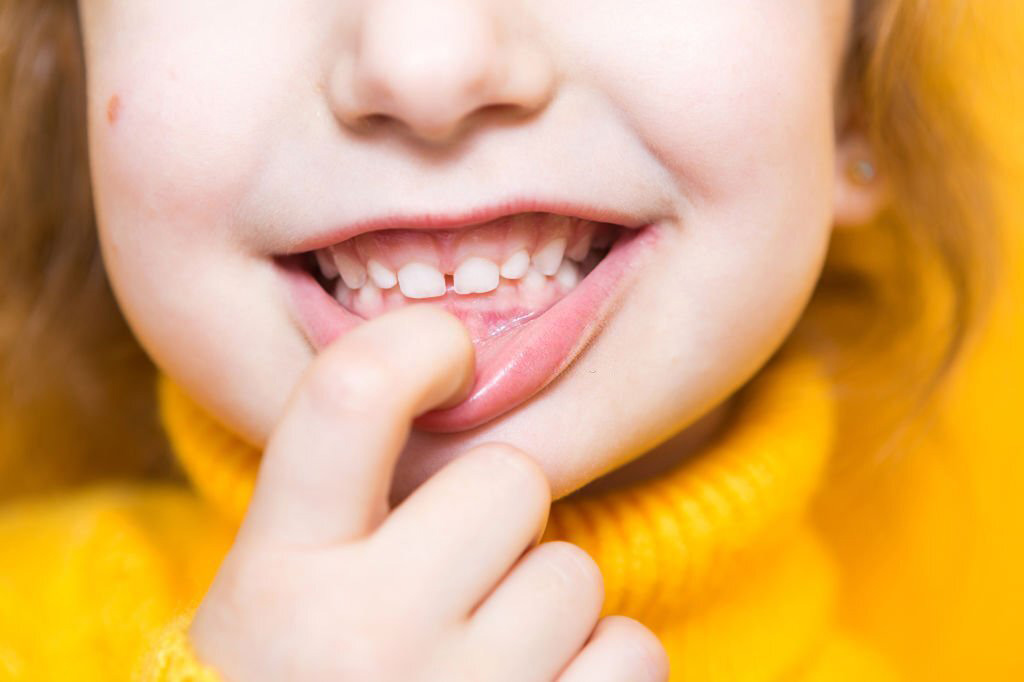
Typically, the lower front teeth appear first, followed by the upper front teeth. From there, the rest of the teeth gradually come through over time.
It’s important to remember that every baby develops at their own pace, so timing can vary. As a result, your baby’s teething experience may not follow this timeline exactly.
Teething Timeline (What to Expect)
The teething process unfolds in stages, with each phase marked by the appearance of specific teeth.
Here is a general guide to when baby teeth usually appear:
4 to 7 months: Lower central incisors
8 to 12 months: Upper central incisors
9 to 13 months: Upper lateral incisors
10 to 16 months: Lower lateral incisors
13 to 19 months: First molars
16 to 22 months: Canines
25 to 33 months: Second molars
By around age 3, most children have their full set of primary teeth.
These are general guidelines, and your baby’s teeth may not follow the exact order or timing. If you have any concerns, it’s best to speak with your dentist or paediatrician.
How Long Does Teething Last?
Teething is a gradual process that can last up to two to three years, although discomfort usually comes and goes as each tooth erupts.
Some babies experience only mild symptoms, while others may be more sensitive during certain stages. It’s essential to be patient and supportive during this time, providing comfort and relief as needed.
Common Teething Symptoms
Not every baby will show the same signs, but common symptoms include:
Increased drooling
Irritability or fussiness
Swollen or sensitive gums
Chewing on fingers or objects
Changes in sleep patterns
Reduced appetite
Rubbing cheeks or pulling ears
If symptoms are severe, persistent, or unusual, consult your dentist or paediatrician, as they may be linked to other conditions.
What to Expect During Teething
Teething can affect your baby’s routine in small but noticeable ways.
You may find that your baby:
Seeks more comfort and reassurance
Wakes more frequently at night
Becomes fussier during feeding
Needs more bib changes due to drooling
Prefers chewing on objects for relief
These changes are temporary and usually settle once the tooth emerges. Every baby responds differently, so offer comfort and support as needed.
How to Soothe a Teething Baby
There are several gentle and safe ways to help relieve discomfort:
Gentle gum massage – using a clean finger or soft cloth can help reduce pressure on the gums.
Establishing these habits early helps protect your child’s teeth and supports long-term oral health. Good oral care starts early, and as a parent, you play a key role in shaping your child’s lifelong dental habits.
When Should Your Child First See a Dentist?
The American Academy of Pediatric Dentistry recommends scheduling your child’s first dental visit by their first birthday, or within six months of their first tooth appearing. At this appointment, the dentist will examine your child’s mouth, check for early signs of decay or other concerns, and provide practical guidance on oral hygiene.
These early visits help monitor tooth development, address potential issues early, support healthy feeding and brushing habits, and familiarise your child with the dental environment. Ongoing check-ups are important for maintaining your child’s oral health, with visit frequency tailored to their individual needs.
Supporting Your Child’s Smile with MGA Dental Clinic
Teething can be a challenging phase, but it’s also an important step in your child’s development. With the right care and guidance, you can help your baby stay comfortable and build healthy habits from the very beginning.
At MGA Dental, we provide gentle, family-focused care through our children’s dentistry services, tailored to every stage of your child’s development. Our team is here to support you with practical advice, early dental check-ups, and long-term oral health guidance.
If you have questions about teething or would like to book your child’s first dental visit, feel free to contact MGA Dental and schedule an appointment.
As parents or future parents, we are constantly concerned about the well-being of our children. From their physical health to their emotional development, we strive to provide them with the best possible care. One common habit that many children develop is thumb sucking. While it may seem harmless, thumb sucking can have long-term effects on […]
As young and future parents, we prioritize the health and well-being of our little ones. From ensuring they have a balanced diet to providing a safe environment, we do everything in our power to give them the best start in life. However, one aspect that often goes unnoticed is the oral health of our infants […]
For many parents, a pacifier is an easy and reliable way to comfort their child. These small plastic or silicone nipples, often called soothers, dummies, binkies, or pacis, can help babies self-soothe, fall asleep more easily, and feel secure. However, prolonged or improper pacifier use can sometimes lead to dental issues as your child’s teeth […]
Tooth decay is one of the most common dental problems affecting children. Even though baby teeth eventually fall out, they still play a very important role in your child’s oral health, speech development, eating habits, and the positioning of future adult teeth. Cavities can develop surprisingly early in life, sometimes soon after the first teeth […]
If you are a parent, you’re probably struggling to convince your kids to keep their teeth clean. No matter how hard you try to explain the importance of brushing, kids will still try to avoid it until you tell them to do so. You might think that parents who are dentists don’t suffer as much […]
Growing up, your children will lose their baby teeth. But just because they will lose them eventually, does not mean they shouldn’t take care of them. Until the adult teeth kick in, baby teeth are the only teeth your children will have besides molars.
If you have a baby, a toddler or a preschooler, making them go to a dental checkup probably caused you lots of headaches. From a child’s point of view, seeing the dentist can be an extremely frightening event.
Teaching your child about good oral hygiene from an early age is an important lesson that they will carry with them into adulthood. From preventing tooth decay to scheduling dental checkups, there are certain things you should be doing to stay on top of your child’s oral health. Important Daily Practices A study by the […]
Every year, children and adults are treated for nasty dental injuries that could have been prevented, or at the very least minimised, by wearing a professionally created mouthguard. Usually the treatment for sporting injuries to the mouth is long, complex and expensive, and sometimes the damage is permanent resulting in lost teeth and expensive cosmetic […]