Sensitive Teeth After Teeth Whitening: Causes & Relief Tips
22 October 2023 | Updated: 29 April 2026
Teeth whitening is one of the most popular ways to improve your smile. It can noticeably brighten your teeth and boost your confidence. That’s why many people choose teeth whitening treatments to improve the appearance of stains and discolouration.
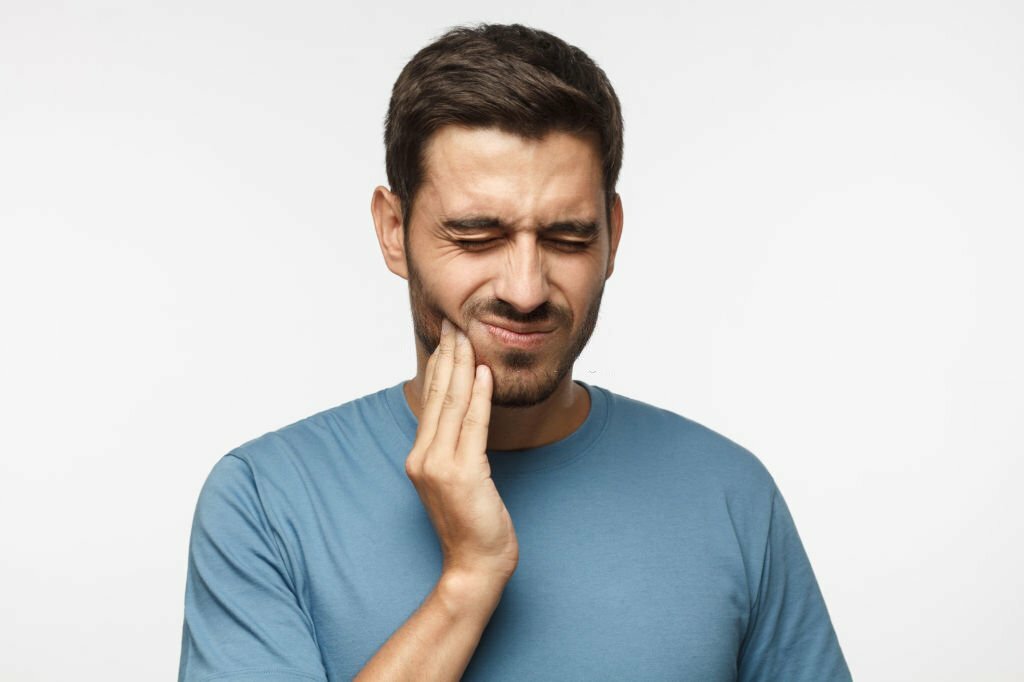
However, one of the most common side effects is tooth sensitivity. If you’ve experienced discomfort after whitening, you’re not alone, and in most cases, it’s temporary and manageable.
In this article, we explain why sensitivity can occur after teeth whitening and which symptoms to watch for. We also cover practical ways to prevent sensitivity, so you can enjoy a brighter smile with greater comfort.
Why Do Teeth Become Sensitive After Whitening?
Teeth whitening treatments use bleaching agents such as hydrogen peroxide or carbamide peroxide to break down stains and lighten tooth colour.
During this process, these agents can pass through the enamel and reach the underlying layer called dentin. Dentin contains tiny channels that connect to the nerve of the tooth.
When these channels are exposed or stimulated, you may feel sensitivity, especially to:
These symptoms are usually temporary, but if they persist, it’s important to consult your dentist.
The Link Between Whitening and Dentin Sensitivity
Whitening can temporarily increase dentin hypersensitivity, which means the teeth become more reactive to triggers such as cold, heat, sweetness, acidity, or air. This happens when whitening agents irritate the inner structures of the tooth for a short period, making the nerves more responsive.
Sensitivity can vary from person to person. Some patients feel only mild discomfort, while others may experience sharper or more noticeable pain.
This happens because:
The whitening process can slightly dehydrate the tooth
Nerve endings inside the tooth may become more reactive
Pre-existing sensitivity may be amplified
This is why teeth whitening should be planned around your individual oral health, especially if you already have sensitive teeth.
How to Reduce Sensitivity After Teeth Whitening
If you’re experiencing sensitivity, there are several simple and effective ways to manage it:
Use Toothpaste for Sensitive Teeth
Desensitising toothpaste helps block the pathways to the nerves, reducing discomfort over time.
Apply Fluoride Treatments
Fluoride strengthens enamel and can help reduce sensitivity. Your dentist may recommend a professional fluoride application.
If you’re considering teeth whitening or have experienced sensitivity in the past, feel free to contact MGA Dental and book a consultation. We’re here to help you achieve a brighter, healthier smile with confidence.
A brighter, more balanced smile is one of the most common cosmetic goals among dental patients, but the right treatment is not always obvious. The decision often comes down to two popular options: teeth whitening and dental veneers. For some people, teeth whitening is enough to refresh the smile and reduce visible staining. For others, […]
Teeth whitening is one of the most requested cosmetic dental treatments and for good reason. A brighter smile can make a noticeable difference in how people feel about their appearance, whether it’s for everyday confidence, professional settings, or an upcoming event. Many patients explore their options, but the real challenge is not whether to pursue […]
Veneers are one of the most popular cosmetic dentistry treatments for improving the appearance of chipped, stained, uneven, or worn teeth. They can dramatically enhance the look of a smile while still appearing natural and subtle. While veneers are designed to be long-lasting, they are not permanent. Their lifespan depends on several factors, including the […]
Experiencing tooth pain after a dental filling can be unsettling, especially if the treatment itself seemed straightforward. The good news is that mild discomfort or sensitivity is common after a filling and often settles within a few days. However, persistent or worsening pain should never be ignored. In this article, we explain why tooth pain […]
A brighter smile is one of the most common cosmetic dental goals, and professional teeth whitening remains one of the fastest ways to improve the appearance of stained or discoloured teeth. Among the available options, laser teeth whitening has become increasingly popular because of its speed and noticeable results. However, many patients still wonder whether […]
Imagine you’ve just made dinner and are ready to eat. You take your first bite and feel a sharp pain in your teeth. You ask yourself “Why do all my teeth hurt suddenly?”. According to a survey published by American Family Physician, around 22% of adults have experienced pain in their teeth, gums, or jaw […]
Molar tooth pain can make everyday tasks like eating or speaking difficult and uncomfortable. Because molars play a key role in chewing, any pain in this area can quickly affect your overall oral health. Understanding the common causes of molar pain, from cavities and gum infections to tooth grinding or impacted wisdom teeth, is essential […]
Sometimes, no matter how skilled your dentist is, a damaged tooth simply can’t be saved and must be removed. After the extraction, there’s usually a bit of soreness and an empty space where the tooth used to be and then it’s just a matter of waiting for the area to heal. Normally, a blood clot […]
Toothache is never pleasant. Most people immediately assume the cause is a cavity, gum disease, or another dental issue. While this is often true, tooth pain can sometimes originate from an unexpected source: your sinuses. Because the sinuses sit very close to the upper teeth and jaw, inflammation or infection in these air-filled spaces can […]