Professional vs At-Home Teeth Whitening: What’s the Difference?
29 April 2026
Teeth whitening is one of the most requested cosmetic dental treatments and for good reason. A brighter smile can make a noticeable difference in how people feel about their appearance, whether it’s for everyday confidence, professional settings, or an upcoming event.
Many patients explore their options, but the real challenge is not whether to pursue teeth whitening, it is how to choose the right approach.
With so many options available, it is easy to feel unsure about where to start. From over-the-counter whitening strips to professionally supervised treatments in a dental clinic, each approach offers different levels of effectiveness, comfort, and long-term results. While many products promise quick improvements, not all teeth whitening treatments deliver the same outcome.
Understanding these differences is key to making the right choice. This article breaks down professional and at-home whitening methods in a clear and practical way, covering how they work, what results to expect, and which option is better suited to different needs.
What Causes Tooth Discolouration in the First Place?
Tooth discolouration does not come from a single cause. In most cases, it develops gradually due to a combination of everyday habits and natural changes within the teeth. Understanding what is behind the change in colour can help set realistic expectations for teeth whitening.
Stains are generally grouped into two types: extrinsic and intrinsic.
Extrinsic stains affect the outer layer of the teeth. These are the ones most people are familiar with and are often linked to daily habits such as drinking coffee, tea, or red wine, as well as consuming strongly coloured foods. Smoking is another major contributor and tends to cause more persistent staining over time.
Intrinsic discolouration occurs within the tooth structure. It can develop as part of the natural ageing process, when the enamel becomes thinner and the darker layer underneath becomes more visible. It may also be related to certain medications, past dental trauma, or the way the teeth developed.
This distinction matters because not all whitening methods are equally effective for every type of stain. Surface stains usually respond well to basic treatments, while deeper discolouration often requires a more targeted and professionally guided approach.
What Is a Professional Teeth Whitening Treatment?
A professional teeth whitening treatment is carried out or guided by a qualified dentist, using clinically approved products that are both effective and safe when applied correctly. The key difference compared to over-the-counter options is the level of supervision and the ability to tailor the treatment to each patient.
There are two common approaches.
1. In-chair Whitening
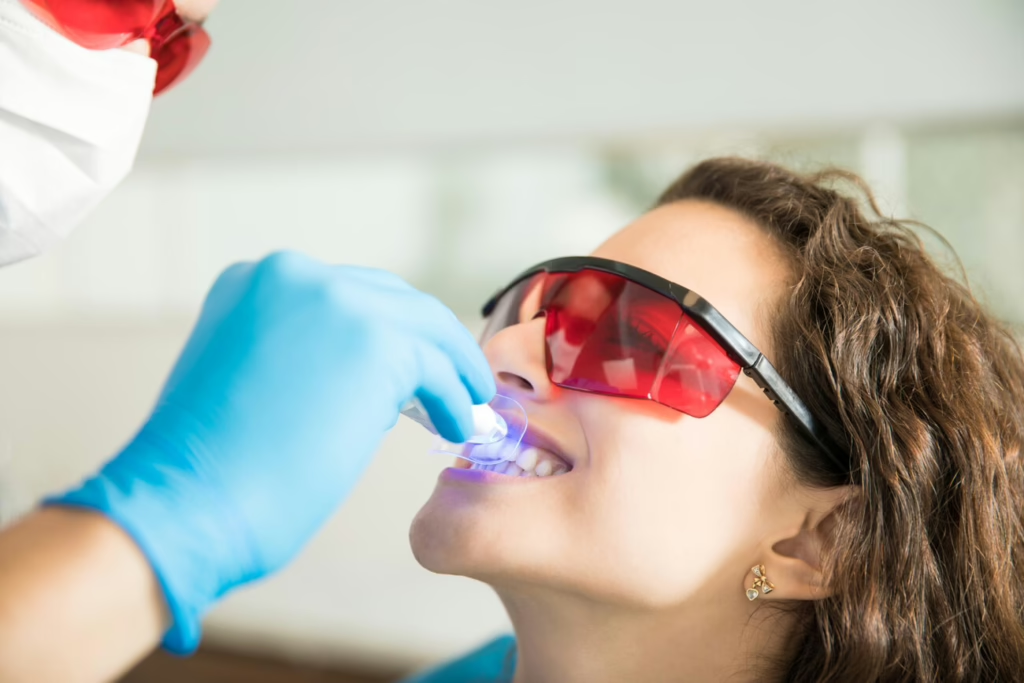
In-chair whitening is performed in the dental clinic. Before the treatment begins, the gums are carefully protected, and a high-strength whitening gel is applied to the teeth.
Because of the controlled setting and stronger formula, many patients notice a visible improvement after just one session.
2. Dentist-prescribed Take-home Kits
Dentist-prescribed take-home kits offer a more gradual approach. Custom-made trays are designed to fit the teeth precisely, which helps the whitening gel spread evenly and reduces the risk of irritation.
While the gel is less concentrated than in-chair treatments, it is still more effective than standard retail products. Progress is monitored to maintain safety and optimise results.
The main advantage of professional whitening treatment lies in the level of control. The process can be adjusted based on sensitivity, existing dental work, and the type of staining present. For patients at MGA Dental clinic, this means a whitening plan that supports both cosmetic goals and long-term oral health.
What Are At-Home Teeth Whitening Options?
At-home teeth whitening options are easy to find and often appeal to those looking for a more convenient and budget-friendly way to improve the appearance of their smile. These products include whitening strips, gels, pens, toothpastes, and mouth rinses, and they are typically available at pharmacies and supermarkets.
Most of these products use lower concentrations of active whitening agents. This helps reduce the risk of irritation, but it also means they have a more limited effect, particularly on deeper or more stubborn stains. In most cases, any visible change develops gradually and may be subtle compared to professional treatments.
Another limitation is the lack of customisation. Over-the-counter products are designed for general use, so they are not tailored to the shape of individual teeth. This can make it harder to achieve even coverage, which may lead to uneven results or areas that respond less effectively to treatment.
While at-home options can be suitable for maintaining results or addressing mild surface staining, they are not designed to deliver the same level of improvement as a professionally supervised approach.
Professional vs At-Home Teeth Whitening: Key Differences
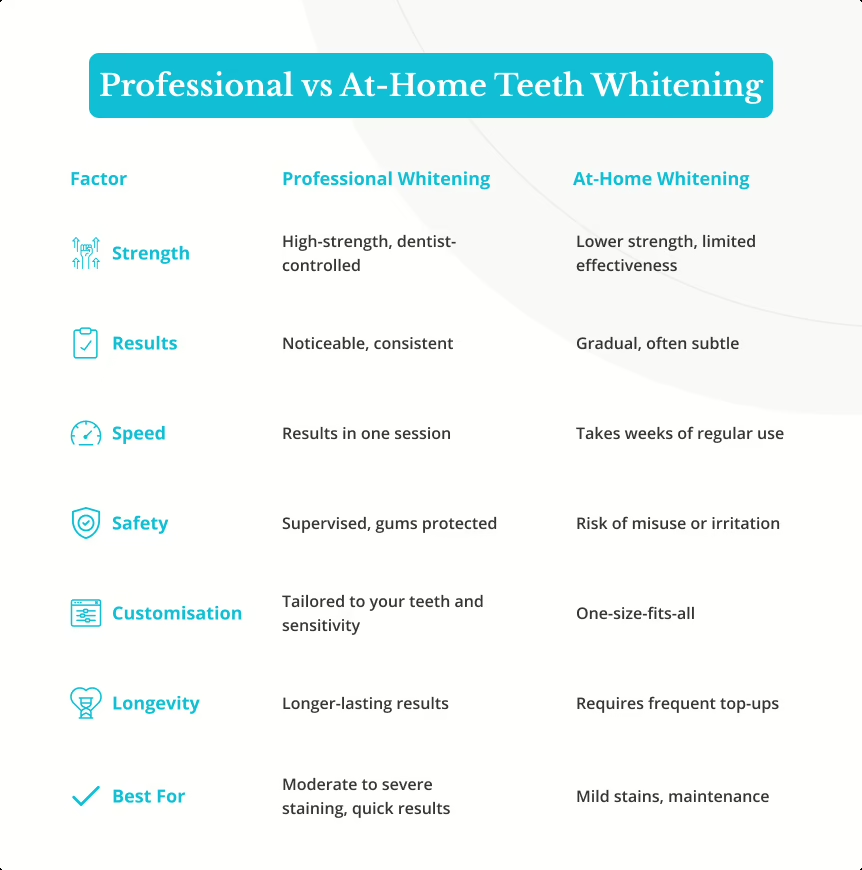
Choosing between professional and at-home teeth whitening often comes down to the results you want and how quickly you want to see them. These two approaches differ in five key ways that can affect the final outcome:
1. Strength and Effectiveness
Professional whitening treatments use higher concentrations of active ingredients, allowing them to break down deeper stains within the tooth structure. This leads to more noticeable and consistent results.
At-home products are limited in strength for safety reasons. They tend to focus on surface stains and may not significantly change the overall shade of the teeth.
2. Speed of Results
In-chair whitening can produce visible results within a single appointment, making it a suitable option for patients preparing for an event or seeking quicker improvement.
At-home treatments require regular use over several weeks. Even with consistent application, the results may remain subtle.
3. Safety and Supervision
Professional whitening is carried out under controlled conditions. The gums and surrounding tissues are protected, and the treatment can be adjusted if sensitivity occurs.
Without professional guidance, at-home use can sometimes lead to overuse or uneven application, which may increase the risk of gum irritation or inconsistent results.
4. Customisation
A professional approach is tailored to each patient. Factors such as enamel thickness, existing dental work, and sensitivity levels are taken into account to achieve a balanced result.
At-home products follow a standard format and are not adapted to individual differences, which can affect both comfort and effectiveness.
5. Longevity of Results
Results from professional whitening tend to last longer, especially when supported by good oral hygiene and regular dental care.
At-home whitening often requires frequent repetition to maintain the same level of brightness.
Overall, professional teeth whitening offers more predictable, faster, and longer-lasting results, while at-home options may suit those seeking a more gradual and lower-commitment approach.
Is Teeth Whitening Safe? What Patients Should Know
Teeth whitening is generally safe when done correctly and with appropriate guidance. Most patients tolerate it well, and the most common side effect is temporary tooth sensitivity, which usually settles shortly after treatment.
With professional whitening, safety is carefully managed. The gums are protected during the procedure, and the strength of the whitening agent is selected based on the patient’s needs. If any sensitivity develops, the treatment can be adjusted to keep the process comfortable.
At-home products can also be safe when used as directed, but they leave more room for error. Overuse or incorrect application can lead to gum irritation or uneven results, particularly if there is an attempt to speed up the process.
For this reason, it is recommended to have a dental check before starting any whitening treatment. This helps confirm that the teeth and gums are healthy and ensures that whitening is both safe and suitable for the individual.
Who Is a Good Candidate for Teeth Whitening?
Teeth whitening tends to work best for patients with healthy teeth and gums who are dealing with surface staining or mild to moderate discolouration.
Have realistic expectations about how much the shade can improve
There are situations where whitening may be less effective. Deeper, intrinsic stains, especially those linked to medication or past trauma, may not respond as well to standard whitening methods. It is also important to note that restorations such as crowns, veneers, and fillings do not change colour during whitening.
A consultation with a dentist is the best way to confirm whether teeth whitening is appropriate. It helps identify the type of staining present and ensures the chosen treatment aligns with the patient’s specific needs.
Cost vs Value: Is Professional Whitening Worth It?
Cost is often one of the first things patients consider when comparing whitening options. At-home products are usually less expensive upfront, which can make them appealing for those who want to try whitening with a lower initial spend.
However, value is not only about the price paid at the start. Professional whitening offers a higher level of predictability, safety, and efficiency. Results are usually achieved faster, which can reduce the need to keep purchasing and testing multiple products over time.
A professionally guided approach also helps avoid the trial-and-error process that often comes with over-the-counter whitening. The treatment is planned around the patient’s teeth, sensitivity levels, and desired outcome, making the overall experience more comfortable and reliable.
When viewed over time, professional whitening can be a more efficient investment for patients seeking noticeable, balanced, and longer-lasting results.
How to Maintain Teeth Whitening Results
Maintaining the results of a teeth whitening treatment requires consistent care and attention to daily habits.
Helpful ways to maintain your results include:
Limiting staining foods and drinks, or rinsing the mouth with water after consuming them
Brushing and flossing regularly to reduce plaque and surface stains
Using dentist-approved products for occasional touch-ups when needed
Lifestyle factors also play an important role. Smoking and frequent consumption of coffee, tea, red wine, or other highly pigmented drinks can cause stains to return sooner. With consistent care and regular dental support, patients can help preserve the brightness achieved through whitening for longer.
Teeth Whitening at MGA Dental Clinic
Choosing between professional and at-home whitening depends on what the patient wants to achieve, how quickly they want to see results, and what type of discolouration is present.
Patients looking for faster, more noticeable results are often better suited to professional whitening, especially when stains are moderate, more persistent, or time is a factor. A dentist-led approach also offers the benefit of proper assessment, gum protection, and treatment adjustments if sensitivity occurs.
At-home options may still have a place. They can be useful for mild surface staining or as part of a maintenance plan after professional whitening. However, results are usually more gradual and less predictable.
At MGA Dental clinic, patients can access professional whitening options, including Zoom Whitening, Opalescence Boost, and take-home whitening kits. Treatments are carried out under the supervision of an experienced dental team, helping patients achieve a brighter result while reducing the risk of sensitivity, gum irritation, or uneven whitening.
For patients considering teeth whitening in Brisbane or the Gold Coast, a consultation with MGA Dental clinic can help identify the safest and most suitable option based on their goals, dental health, and preferred treatment approach.
FAQs About Teeth Whitening
1. Is professional teeth whitening better than at-home whitening?
Professional teeth whitening usually provides faster, more noticeable, and more predictable results. At-home whitening may be suitable for mild stains or maintenance.
2. How long do teeth whitening results last?
Results vary depending on diet, oral hygiene, and lifestyle habits. Coffee, tea, red wine, and smoking can cause stains to return sooner.
3. Does teeth whitening hurt?
Teeth whitening should not be painful, although temporary sensitivity can occur. This usually settles shortly after treatment.
4. Can teeth whitening damage enamel?
When performed correctly and on suitable teeth, teeth whitening should not damage healthy enamel. Problems are more likely with overuse or incorrect application.
5. Will teeth whitening work on crowns, veneers, or fillings?
No. Whitening only works on natural teeth. Crowns, veneers, and fillings will not change colour.
6. How quickly will I see results?
In-chair whitening can often produce visible results after one appointment. At-home products usually require consistent use over several weeks.
7. Is at-home teeth whitening safe?
At-home whitening can be safe when used as directed, but misuse may cause irritation, sensitivity, or uneven results.
8. Who should avoid teeth whitening?
Teeth whitening may not be suitable for patients with untreated decay, gum disease, severe sensitivity, or certain types of deeper discolouration.
9. How much does in-chair or take-home whitening cost?
The cost depends on the whitening system used and the patient’s individual needs. Contact MGA Dental clinic for pricing details or to book a consultation.
Conclusion
Teeth whitening can be a simple and effective way to refresh the appearance of a smile, but the results depend heavily on the method chosen. Professional treatments offer greater control, stronger whitening potential, and more predictable outcomes, while at-home options may suit those looking for a convenient approach to mild staining or ongoing maintenance.
Both options have their place, but they are not the same in terms of strength, safety, or long-term value. The right choice depends on the type of discolouration, the desired level of improvement, and how important comfort and predictability are to the patient.
For those looking for a brighter smile with guidance they can trust, a professional consultation is the best place to start. With the right advice and whitening approach, patients can achieve a brighter smile that looks natural and suits their needs.
A brighter, more balanced smile is one of the most common cosmetic goals among dental patients, but the right treatment is not always obvious. The decision often comes down to two popular options: teeth whitening and dental veneers. For some people, teeth whitening is enough to refresh the smile and reduce visible staining. For others, […]
Teeth whitening is one of the most popular ways to improve your smile. It can noticeably brighten your teeth and boost your confidence. That’s why many people choose teeth whitening treatments to improve the appearance of stains and discolouration. However, one of the most common side effects is tooth sensitivity. If you’ve experienced discomfort after […]
Veneers are one of the most popular cosmetic dentistry treatments for improving the appearance of chipped, stained, uneven, or worn teeth. They can dramatically enhance the look of a smile while still appearing natural and subtle. While veneers are designed to be long-lasting, they are not permanent. Their lifespan depends on several factors, including the […]
A brighter smile is one of the most common cosmetic dental goals, and professional teeth whitening remains one of the fastest ways to improve the appearance of stained or discoloured teeth. Among the available options, laser teeth whitening has become increasingly popular because of its speed and noticeable results. However, many patients still wonder whether […]
Zoom tooth whitening is a quick and effective way to get the bright white smile you’ve always dreamt of. Targeting stains and discolouration with clinically proven whitening systems have been scientifically developed to lighten the colour of your teeth so they bounce back to a beautiful white smile. Teeth whitening is usually required due to […]