How to Clean Your Retainer Properly (For Every Type)
6 February 2024 | Updated: 14 April 2026
Retainers play an important role in maintaining the results of your orthodontic treatment. Once your teeth are aligned, a retainer helps keep them in place and prevents them from gradually shifting back.
However, wearing a retainer also means you need to take proper care of it. Without regular cleaning, retainers can collect bacteria, plaque, and food debris, which may lead to bad breath, tooth decay, and gum issues.
However, not all retainers are the same. In this guide, we explain how to clean different types of retainers safely and effectively, along with simple habits that help keep both your retainer and your smile in good condition.
Why Cleaning Your Retainer Matters
Before we go into the specifics of cleaning each type of retainer, it’s important to understand why regular cleaning is necessary.
Your retainer sits in your mouth for hours each day, often in close contact with your teeth and gums. Just like your teeth, it can accumulate bacteria and plaque over time.
Regular cleaning not only supports good oral hygiene but also helps extend the lifespan of your retainer.
Types of Retainers and Why Cleaning Differs
Retainers are custom-made dental devices designed to maintain the alignment of your teeth after orthodontic treatment. They can be made from different materials, such as metal, plastic, or a combination of both, which is why cleaning methods may vary depending on their material and design.
The most common types include:
Hawley retainers: These are the most common removable retainers, made of a thin metal wire across the front teeth and an acrylic base that sits on the roof or floor of the mouth.
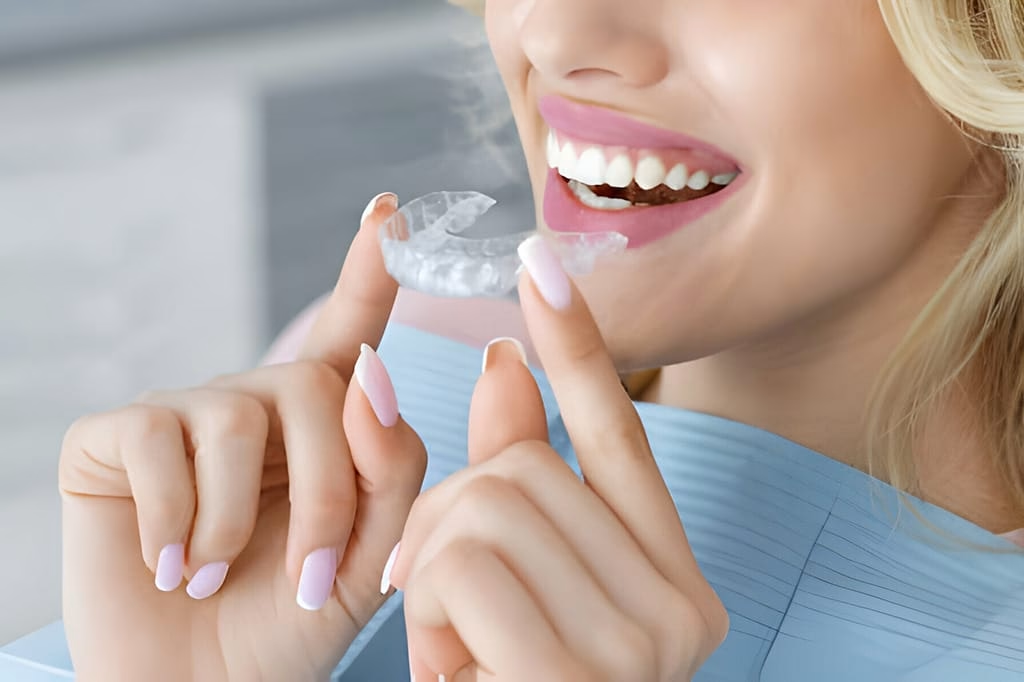
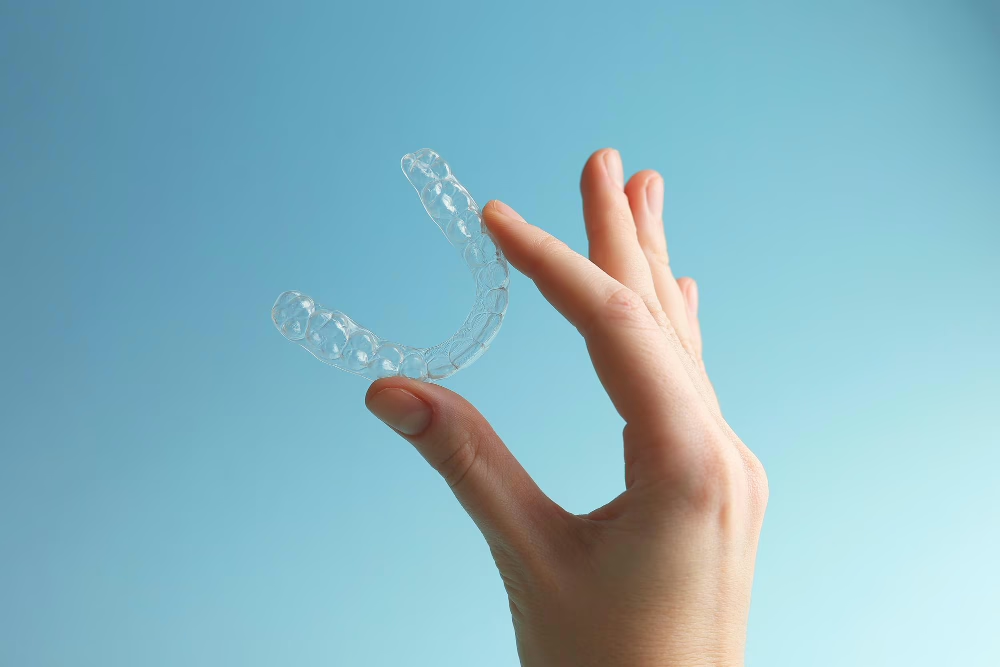
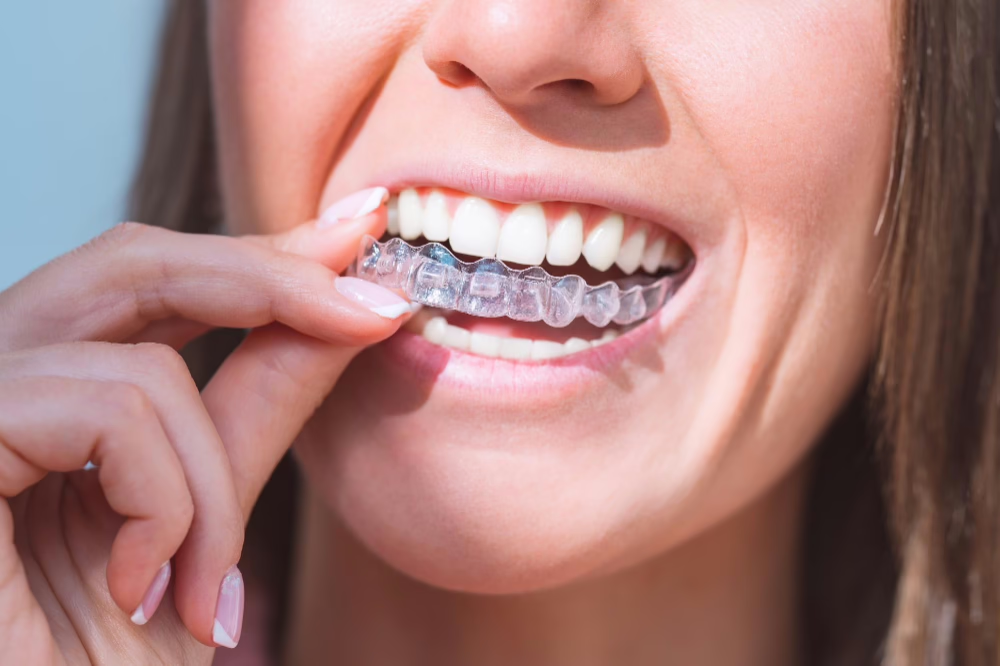
Clear plastic retainers: Also known as Essix retainers, these are made from clear plastic and fit snugly over your teeth, making them a more discreet option.
Fixed or bonded retainers: These retainers are permanently attached to the back of your teeth using a thin wire. They are not removable and require careful daily cleaning around the wire to prevent plaque buildup.
Each type requires a slightly different approach to ensure effective and safe cleaning.
How to Clean Removable Retainers (Hawley and Clear Plastic)
Removable retainers are the most common and relatively easy to maintain with a consistent routine. Here’s how you can clean these types of retainers:
Step-by-step Care
1. Rinse after removal Rinse your retainer under lukewarm water every time you take it out. This helps remove saliva and loose debris before it dries.
2. Brush gently Use a soft toothbrush to clean the retainer daily. Avoid abrasive toothpaste, as it can scratch the surface, especially on clear retainers. In many cases, using water or a mild, non-abrasive cleaner is recommended.
3. Soak regularly Soaking your retainer in a dedicated retainer cleaning solution or denture cleaner (as advised by your dentist) can help reduce bacteria buildup. Follow the product instructions carefully.
4. Rinse thoroughly Always rinse your retainer well after soaking to remove any cleaning solution residue before placing it back in your mouth.
5. Store it properly When not in use, keep your retainer in a clean, ventilated case. Avoid wrapping it in tissue, as it can easily be lost or damaged.
6. Attend regular check-ups Your dentist can check whether your retainer still fits correctly and whether there is any wear or damage that needs attention.
How to Clean Fixed (Bonded) Retainers
Fixed retainers are attached to the back of your teeth and require a more detailed cleaning approach as they cannot be removed. These retainers require a slightly different cleaning approach:
Daily Care Tips
1. Brush carefully around the wire Use a soft toothbrush and take extra time to clean around the bonded wire where plaque tends to build up.
2. Use interdental tools Floss threaders or interdental brushes are especially helpful for cleaning between teeth and under the wire.
3. Use fluoride mouthwash if recommended This can help reduce bacteria and support enamel strength, especially in areas that are harder to clean.
4. Keep up with professional cleans Regular dental visits are important to remove buildup that cannot be reached at home.
Practical Tips for Everyday Retainer Care
Whether your retainer is removable or fixed, a few simple habits can make a big difference:
Avoid heat exposure: Hot water or leaving your retainer in a hot car can cause it to warp and lose its shape.
Avoid harsh chemicals: Do not use bleach, alcohol, or strong cleaning agents, as they can damage the material.
Clean your case regularly: A dirty case can reintroduce bacteria to your retainer. Wash it with soap and water and let it dry fully.
Check for damage: Look out for cracks, loose wires, or changes in fit. These can affect how well your retainer works.
Replace when needed: Retainers do not last forever. If yours feels loose, uncomfortable, or worn, it may be time for a replacement.
What Happens If You Don’t Clean Your Retainer?
Neglecting retainer hygiene can lead to more than just an unpleasant smell. Over time, bacteria and plaque buildup can increase your risk of:
In some cases, a poorly maintained retainer may no longer fit properly, which can allow teeth to shift.
To help prevent these issues, it’s important to build a simple, consistent routine for cleaning and caring for your retainer each day.
Keeping Your Smile on Track with MGA Dental
Retainers are a long-term investment in your smile, and proper care is essential to protect that investment. With the right routine, cleaning your retainer becomes a simple part of your daily oral hygiene.
If you are unsure about the best way to care for your retainer or you have noticed changes in its fit or condition, professional advice can help prevent bigger issues.
If you need a retainer check, replacement, or professional cleaning advice, feel free to contact us to help keep your smile healthy and aligned for years to come.
Good oral hygiene is crucial for maintaining healthy teeth and gums. While brushing your teeth regularly is an essential part of this routine, it is equally important to ensure that your toothbrush is clean and free from harmful bacteria. In this blog post, we will explore various methods and tips on how to take care […]
Imagine waking up with a throbbing toothache, your mouth feeling like a battleground. The pain is unbearable, and you can’t focus on anything else. You realize that your dental health is not just about your teeth and gums; it affects your overall well-being. In fact, oral health is closely linked to your general health, and […]
Noticing that your tongue has changed its color can be a stressful experience if you don’t know what is the cause of the discoloration. Changes in the color of your tongue can be subtle or dramatic, depending on the underlying health issue. In this article, we’ll outline the most common types of tongue discoloration to […]
Recovering from a tooth extraction does not end when the procedure is over. What you eat in the days that follow plays a major role in how quickly and comfortably your mouth heals. Choosing the wrong foods too soon can irritate the extraction site, dislodge the protective blood clot, and increase the risk of pain, […]
Maintaining good oral hygiene means brushing your teeth twice a day and flossing regularly. But if you’re diligent about your dental care, you may have wondered: is it possible to brush too much? According to dental experts, the answer is yes. Overbrushing can actually cause damage to your teeth and gums over time. If you […]
A brighter smile is one of the most common cosmetic dental goals, and professional teeth whitening remains one of the fastest ways to improve the appearance of stained or discoloured teeth. Among the available options, laser teeth whitening has become increasingly popular because of its speed and noticeable results. However, many patients still wonder whether […]
If you are missing one or more teeth, you may already be exploring options to restore your smile and chewing function. Dental bridges are a common solution, but a traditional bridge is not always suitable for every situation. When neighbouring teeth are not strong enough to provide support on both sides, a cantilever dental bridge […]
Multiple Sclerosis (MS) may not seem directly related to dental health at first glance, but the connection is stronger than many realise. This chronic neurological condition can affect a person’s ability to maintain proper oral hygiene, leading to an increased risk of dental problems and complications during treatments such as tooth extractions. Understanding how Multiple […]
Osteoporosis is usually thought of as a condition that affects the hips, spine, or wrists. Dental health is not often part of the conversation. However, osteoporosis can have a real and sometimes overlooked impact on your oral health. Bones throughout the body are affected by osteoporosis, including the jawbone that supports your teeth. When bone […]