How to Get Rid of Dental Fluorosis
14 December 2020 | Updated: 5 November 2025
Did you know that tooth enamel is the hardest tissue in the human body? Interestingly, it contains no living cells, which means it can’t repair itself once damaged, at least, not without professional dental care.
The process of enamel mineralisation begins as early as the 11th week of development, forming a thin yet incredibly durable layer of calcified tissue that protects the crown of each tooth. This hard surface is essential, as our teeth must endure the constant pressure and force of chewing.
Fluoride plays a key role in this process by slowing down mineral loss and preventing decay. However, when fluoride levels become too high, the effect can be quite the opposite.
In this article, we’ll explain what causes dental fluorosis, its visible signs, and the most effective ways to reduce or eliminate it with the right dental treatments.
Effects Of Fluoride On Dental Health
Sources of fluoride are many. This natural mineral is found in water, plants, soil, and various foodstuffs, such as grapes, raisins, and wine. When mixed with other minerals, it serves to protect the enamel surface by forming a more potent, acid-resistant teeth coating.
Essentially, we obtain it in two ways:
Topical Fluoride
Think mouthwashes and toothpaste rich in fluoride content. Its main function is to strengthen your teeth and protect them from any outside effects, like bacteria or blunt force injury.
Systemic Fluoride
Also referred to as water fluoridation, it is a process of adjusting the quantity of this mineral into our drinkable water supplies. By approaching this matter systematically, we’re ensuring that the fluoride levels are present for optimal dental health.
Who Is Affected?
Babies and little children under 8 years of age are the ones we need to look out for. Since a child’s teeth take time to develop fully, fluoride has to be ingested regularly through food and fluoridated water. Whenever necessary, it can also be taken in the form of supplements prescribed by your dentist or pediatrician.
Yet despite the obvious benefits, overexposure to this mineral at an early age can lead to the development of dental fluorosis in children. In fact, adults, adolescents, and even children over the age of 8 cannot develop dental fluorosis. It is associated directly with young children, whereas the seriousness of this condition (also known as enamel fluorosis) depends on the duration, amount, and timing of fluoride consumption.
What is Dental Fluorosis?
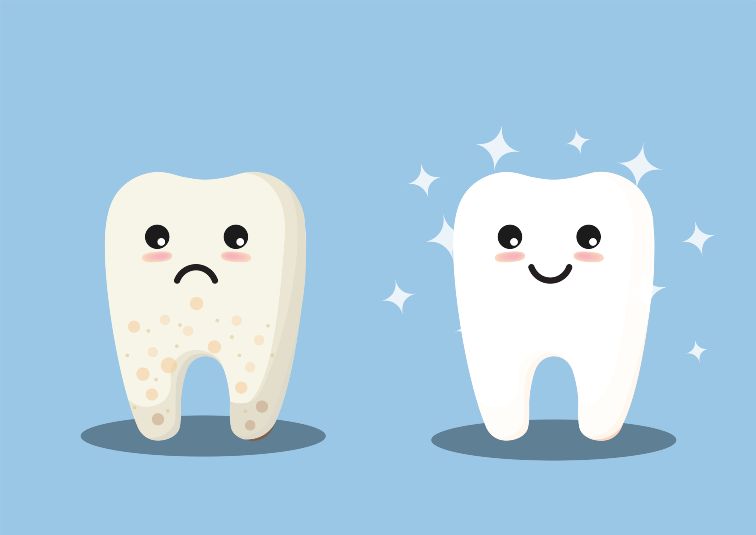
To answer the question “What is fluorosis?”, it’s important to first understand how to recognise it. Fortunately, identifying fluorosis isn’t difficult – the condition causes visible changes in the appearance of tooth enamel, often referred to as fluorosis teeth.
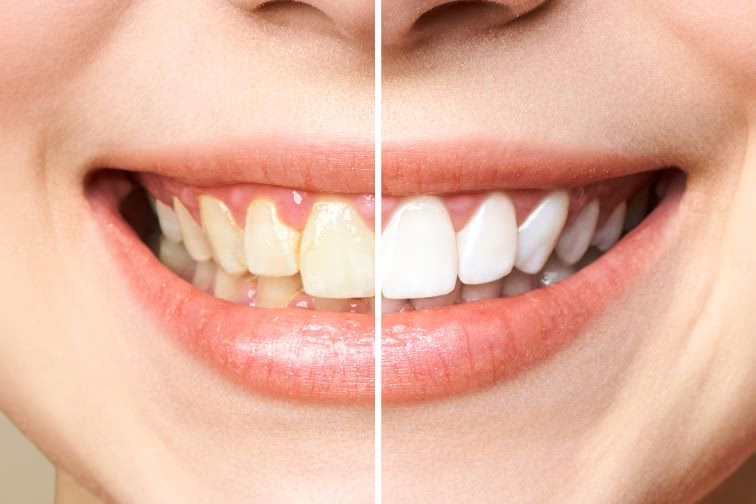
The discolouration can vary, depending on the severity of the disease. Mild fluorosis is usually diagnosed when thin white spots appear during tooth development, similar to enamel hypoplasia. But in case of severe fluorosis, a child’s smile may also reveal:
- Blots varying from yellow to dark brown stains
- Surface abnormalities
- Cavities that are quite obvious
Although fluoride is often recommended as a preventive action for oral health in both children and adults, too much of it can be detrimental. Yes, there is such a thing called overbrushing your teeth, so we advise teaching your kids moderation when developing their oral hygiene habits.
What Causes Dental Fluorosis
Who would have thought that our teeth’s strongest ally could also be the very thing that causes fluorosis? In most cases, improper use of dental products is the leading culprit.
Children, in particular, are prone to this – many enjoy the flavour of their toothpaste so much that they swallow it instead of spitting it out. While an occasional taste isn’t usually a cause for concern, if it becomes a regular habit, it’s time to take notice and step in.
However, dental products aren’t the only source of fluorosis. If a child is prescribed fluoride supplements in higher doses than necessary, even unintentionally, the risk of developing fluorosis increases.
Additionally, tap water and certain fruit juices often contain significant levels of fluoride, which can make it difficult to balance proper dental care with overexposure. This is especially important to keep in mind when considering or using fluoride supplements as part of a child’s oral health routine.
Dental Fluorosis Treatment

Most of the time, fluorosis is so mild that actual treatment for fluorosis isn’t necessary. But there are cases when fluorosis may affect parts of the teeth that are hardly visible, like molars. So remember to keep a watchful eye!
The affected teeth can be notably improved by several fluorosis teeth treatment techniques, including:
- Tooth whitening and other methods that eliminate surface stains. Be aware that teeth bleaching may temporarily worsen the condition of fluorosis.
- Bonding, which covers the tooth with a strong resin that latches on your enamel.
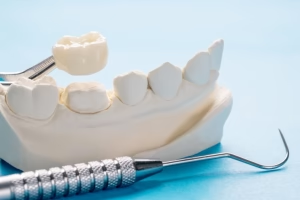
- Placing dental crowns is another effective fluorosis treatment technique.
- Custom-made veneers that cover the face of the teeth to improve their look. This technique is often used in cases of severe fluorosis.
- Application of MI Paste – a calcium phosphate mix that is sometimes combined with techniques like microabrasion.
Although dental fluorosis is not as severe as gingivitis or tooth decay, it’s not something you’d want to overlook. If you have any questions regarding how to treat dental fluorosis, contact your dentist for additional information.
Prevention of Dental Fluorosis
Preventing dental fluorosis is quite straightforward – it largely comes down to careful supervision and parental awareness.
Check Your Water Supply For Contents

If you’re getting your drinking water from a public system, make a request to your dentist or public health department to inform you about the level of fluoride. The addition of fluoride in drinking water is generally governed by the Australian Drinking Water Guidelines. Same goes if you prefer bottled water, well water or any other water source.
Take Your Child To The Dentist
Once you get a better grasp of the amount of fluoride in your water, it might also be smart to take your child to see a dentist for a fluorosis checkup. We particularly advise this if you cannot determine whether your child requires a fluoride supplement or not.
First Aid: A Glass Of Milk
Keep fluoride-rich products out of reach of young children, and always supervise brushing time closely – little ones may be tempted to swallow toothpaste instead of spitting it out.
If a large amount of fluoride is accidentally swallowed, try not to panic. While it may cause temporary symptoms such as nausea, vomiting, diarrhoea, or stomach pain, giving your child a glass of milk can help. The calcium in milk binds to the excess fluoride, aiding its removal from the body.
Summary
While severe cases are rare, hundreds of children are hospitalised each year from ingesting too much fluoride. The good news is that prevention is simple – supervision and good habits make all the difference.
When it’s time to brush, stay close to your child and use only a pea-sized amount of toothpaste. That’s more than enough to provide proper fluoride protection. Try turning toothbrushing into a fun routine, encouraging your child to spit rather than swallow. If that proves tricky, opt for a flavourless toothpaste to reduce temptation.
By keeping fluoride intake at safe levels and focusing on healthy habits, your child’s bright, confident smile will say it all.
Expert Children’s Dental Care at MGA Dental
If you’re looking for professional guidance on your child’s oral health and fluoride use, the friendly team at MGA Dental clinic is here to help. Our children’s dentistry services focus on creating a comfortable, positive experience for young patients – from preventive care and education to gentle treatments designed for growing smiles.
Book an appointment today at MGA Dental Brisbane or Gold Coast, and let our experienced dentists help your child build a lifetime of healthy, happy smiles.