Losing a tooth can happen at any age. Tooth decay, gum disease, infection, dental trauma and fractures can all eventually result in a tooth being lost or needing to be removed.
For some people, the main concern is the visible gap in their smile. For others, a missing tooth can make eating or speaking more difficult or affect the way the remaining teeth meet.
The good news is that there are several ways to manage missing teeth, and replacing every missing tooth is not automatically necessary. Depending on where the gap is, how many teeth are missing and the health of your remaining teeth, gums and jawbone, your dentist may recommend monitoring the space, a dental implant, dentures or a dental bridge.
Understanding the differences can help you have a more informed conversation with your dentist.
Do Missing Teeth Need to Be Replaced?
Not always, but leaving a missing tooth untreated should be a considered decision rather than something you simply ignore. Whether replacement is recommended depends on factors such as the position of the missing tooth, your bite, the condition of neighbouring teeth, how well you can chew, your appearance and your overall oral health.
Tooth loss can also be associated with changes to the jawbone in the area where the tooth root is no longer present. However, the extent and clinical importance of these changes vary between patients.
If several teeth are missing, replacement may make a noticeable difference to chewing and speaking. Australian guidance notes that replacing missing teeth with dentures, for example, can make both eating and speaking easier. This is why it is worth having the gap assessed even if it is not causing pain.
1. Leave the Gap as It Is
Although replacing a missing tooth is often beneficial, not every gap necessarily needs to be restored.
For example, a missing tooth towards the back of the mouth may sometimes have relatively little effect on appearance or function. If the remaining teeth are stable, your bite is functioning well and there are no other concerns, your dentist may recommend monitoring the area rather than immediately replacing the tooth. This has an obvious advantage: there is no procedure, recovery period or cost associated with a replacement.
However, doing nothing also has potential disadvantages. Depending on the location of the gap and your individual bite, nearby teeth may move or tilt towards the space. If several teeth are missing, chewing can become more difficult.
For these reasons, “leave it alone” can be a legitimate option, but it should ideally be based on a dental assessment rather than the assumption that a missing tooth cannot cause future problems.
2. Dental Implants
Dental implants are an extremely popular solution nowadays. This is not surprising given that they can help you replace one missing tooth with ease.
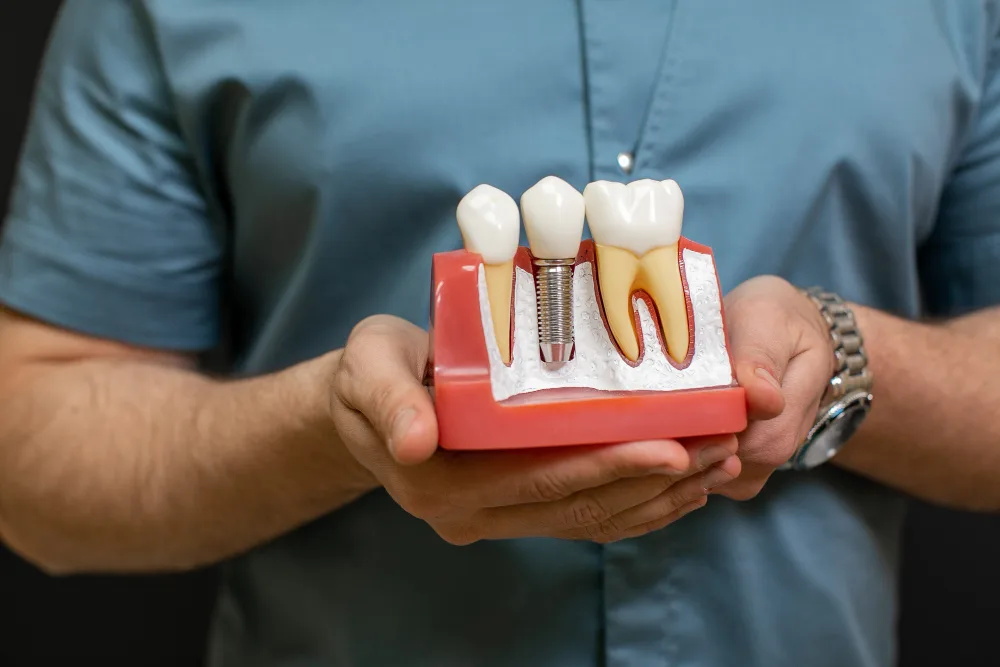
The implants are installed in two phases. First, the dental specialist places a post (usually titanium) into the jawbone. After a few months, once they are sure that the post won’t be rejected by the body, a crown is placed on the post. Many dentists are not fond of implants because of the phase one and the fact that the body needs to combat the foreign metal body placed deep in the bone.
But, implants have many good sides as well. Compared to other replacements, they are more durable, sturdy and comfortable. Besides giving the opportunity to replace one tooth only, they feel and look as natural human teeth. Getting implants can prevent bone loss as a post made of titanium often fuse with the jawbone over time. Implants activate the jawbone and provide full chewing functionality.
What Are the Advantages of Dental Implants?
One significant advantage is that replacing a missing tooth with an implant generally does not require treatment of the neighbouring teeth.
Implants can also provide a natural-looking and stable replacement that functions much like a natural tooth. With good oral hygiene and regular dental care, they can be maintained in a similar way.
They are also versatile. Depending on how many teeth are missing, implants can support a single crown, a bridge or help stabilise a denture.
What Are the Disadvantages of Dental Implants?
Implant treatment requires a surgical procedure and usually takes longer than fitting a conventional bridge or denture because the implant needs time to integrate with the jawbone.
Not everyone is a suitable candidate. Before treatment, your dentist will assess the amount and quality of available bone, gum health, medical history and medications. Smoking, periodontitis and certain medical conditions can also affect healing and long-term implant success.
Some patients may need additional procedures, such as bone grafting, before an implant can be placed.
Dental implants also require ongoing care. Regular brushing, interdental cleaning and professional dental check-ups are important to keep the surrounding gums and bone healthy.
3. Partial or Full Dentures
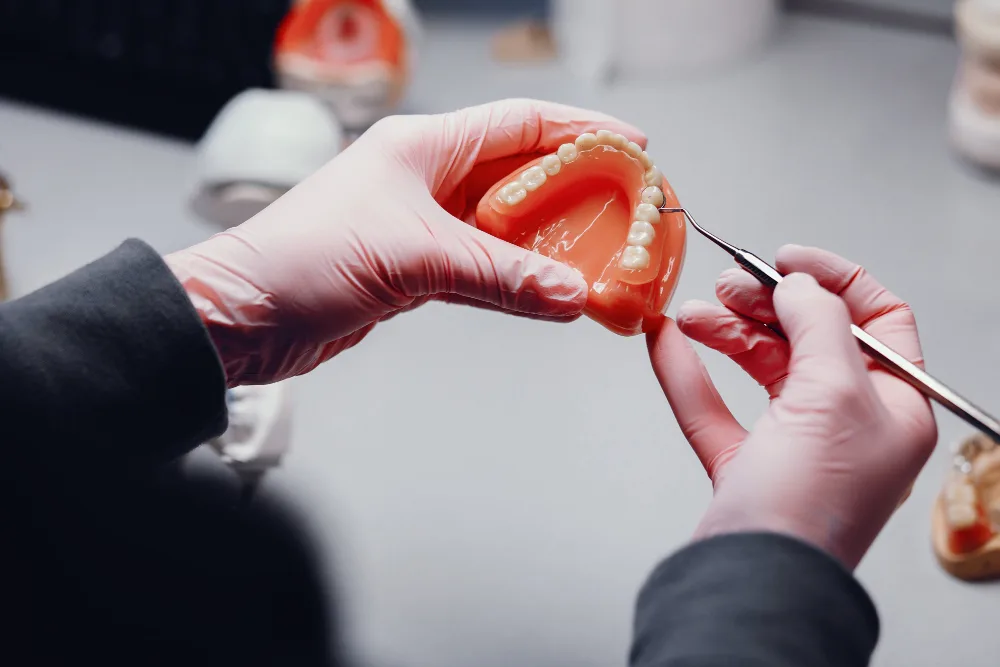
Dentures are removable replacements for missing teeth and remain an important treatment option for patients of different ages, not just older adults.
There are several types.
Partial dentures replace some missing teeth while working alongside the natural teeth that remain.
Full dentures replace all of the teeth in the upper or lower jaw, or both.
There are also implant-retained dentures, which attach to dental implants for additional support but can still be removed by the patient.
What Are the Advantages of Dentures?
Dentures can replace several or even all missing teeth without requiring an individual implant for every tooth. They can help improve chewing and speech, restore the appearance of the smile and provide a practical option for replacing multiple missing teeth. For many patients, they can also be more affordable than implant-based treatment.
Another advantage is that dentures are removable, which may make them suitable for patients who do not want, need or qualify for implant surgery.
What Are the Disadvantages of Dentures?
New dentures can take time to get used to. They may initially feel unfamiliar or slightly loose and can sometimes cause soreness while the mouth adjusts. Follow-up appointments may be needed to improve their fit and comfort.
Dentures also require regular cleaning and maintenance. Because the shape of the gums and supporting tissues can change over time, their fit should be checked periodically and they may eventually need adjustment, relining or replacement.
Regular dental reviews are still important, even if you no longer have natural teeth, so the dentist can check the fit of the dentures and monitor the health of the gums and other oral tissues.
4. A Dental Bridge
A dental bridge is a fixed restoration used to replace one or more missing teeth.
Unlike a denture, a conventional bridge stays permanently in the mouth.
A traditional bridge generally uses teeth on either side of the gap for support. These supporting teeth are prepared for crowns, which are connected to the artificial tooth or teeth filling the gap.
Other designs are available too, including resin-bonded and implant-supported bridges.
What Are the Advantages of a Dental Bridge?
A bridge can restore the function of missing teeth and help improve the appearance of the smile. Because it fills the gap, it can also help prevent neighbouring teeth from leaning into the empty space, which may otherwise affect the bite.
Another advantage is that a bridge is fixed in place, so there is no need to remove it for cleaning or while sleeping.
What Are the Disadvantages of a Dental Bridge?
With a conventional bridge, the neighbouring teeth usually need to be reshaped so they can support the restoration. This is an important consideration when those teeth are otherwise healthy.
The long-term success of the bridge also depends on the condition of the supporting teeth and gums. Decay, gum disease or problems with the cement holding the bridge in place can affect how well it functions over time.
Cleaning around a bridge also requires a slightly different technique because regular floss cannot pass directly between the connected crowns. Your dentist may recommend superfloss, floss threaders or interdental brushes to help clean underneath the bridge and around the supporting teeth.
Dental Implant, Bridge or Denture: Which Is Best?
There is no single replacement that is best for every missing tooth.
The most suitable option depends on:
how many teeth are missing
where the missing teeth are located
the health of the surrounding teeth
the amount and condition of the jawbone
gum health
your general health and medications
whether you smoke
how quickly you would like treatment completed
your preferences and budget.
For example, an implant may be attractive when one tooth is missing and the neighbouring teeth are healthy because those teeth generally do not need to be altered. A bridge may be appropriate when the surrounding teeth can provide suitable support. Dentures can offer a practical and more cost-effective way of replacing multiple missing teeth.
There are also combinations of these approaches. Implants can support bridges or help stabilise dentures, giving patients additional options when several or all teeth are missing.
Your dentist can assess your mouth and explain the benefits, limitations, likely treatment time and costs of the options that are appropriate for you.
How Much Does It Cost to Replace Missing Teeth in Australia?
The cost depends heavily on the treatment you choose and the complexity of your individual case.
A removable denture, conventional bridge and implant-supported crown involve very different procedures, materials and treatment timelines. Implant treatment may also involve additional costs if scans, extractions or bone grafting are required.
Before starting treatment, ask for a treatment plan and quotation so you understand the expected costs.
What Happens if You Have Been Missing Teeth for Years?
Having a gap for a long time does not necessarily mean it is too late to replace the missing tooth.
However, the condition of the area can change after tooth loss. Your dentist will need to assess the available space, neighbouring teeth, gums, bite and jawbone before recommending treatment.
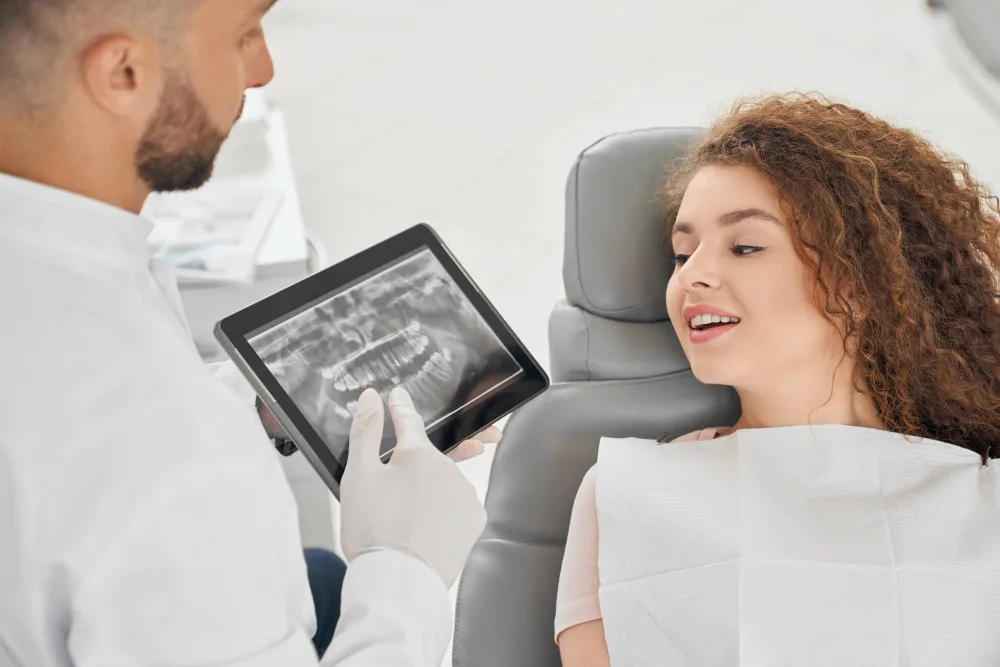
This is particularly important if you are considering an implant because sufficient bone is needed to support it. Dental X-rays, including a 3D X-ray in many implant cases, can help determine whether enough bone is available.
If there is insufficient bone, additional treatment may sometimes be possible before implant placement.
Find the Right Option for Your Missing Teeth
Living with missing teeth does not mean there is only one way forward. Depending on your oral health and priorities, you may be able to leave the space under professional monitoring or replace missing teeth with an implant, bridge or denture.
The important step is finding out which options are appropriate for your mouth rather than choosing a treatment based on appearance, price or convenience alone.
If you have recently lost a tooth or have been living with missing teeth for some time, book a consultation with MGA Dental. The dental team can assess your teeth, gums and jawbone, explain the suitable replacement options and help you make an informed decision about your treatment.
Dental emergencies can arise without warning and often at the most inconvenient time. A sudden toothache late at night, a sports injury on the weekend, or unexpected facial swelling can quickly become overwhelming. In these moments, knowing what to do and where to seek care is important. A dental emergency may involve severe pain, trauma, […]
A dental emergency can escalate quickly, often outside standard clinic hours and with little warning. Sudden tooth pain, facial swelling, or oral trauma can quickly disrupt daily life. When eating, speaking, or sleeping becomes difficult, uncertainty tends to set in fast. In these moments, many people face a practical question: should the Emergency Room (ER) […]
Losing a tooth can be distressing, but staying calm and acting quickly can make all the difference in saving it. When a tooth is completely displaced from its socket, known as a knocked-out or avulsed tooth, it becomes a true dental emergency. The outcome depends on how the tooth is handled and how soon professional […]
If you’ve ever noticed a ringing or buzzing sound in your ears with no clear cause, the source of the problem might actually be your jaw. The temporomandibular joint (TMJ), the hinge connecting your jaw to your skull, is essential for everyday functions like chewing and speaking. When this joint becomes strained or misaligned, it […]
If you’ve ever noticed white, brown or yellow stains on your teeth and opaqueness on the tooth enamel, you could have a case of hypocalcification. The enamel is the topmost layer of the teeth, right on top of the dentin, and its function is to protect the layers underneath. Hypocalcification is a condition of low […]
Imagine you’ve just made dinner and are ready to eat. You take your first bite and feel a sharp pain in your teeth. You ask yourself “Why do all my teeth hurt suddenly?”. According to a survey published by American Family Physician, around 22% of adults have experienced pain in their teeth, gums, or jaw […]
Molar tooth pain can make everyday tasks like eating or speaking difficult and uncomfortable. Because molars play a key role in chewing, any pain in this area can quickly affect your overall oral health. Understanding the common causes of molar pain, from cavities and gum infections to tooth grinding or impacted wisdom teeth, is essential […]
The gingival sulcus, also known as free gingiva, is the space where “the gums and teeth meet“, or the natural space between the gum tissue and the surface of the tooth. The Gingival sulcus is a very small V-shaped space around 3 millimetres in depth around the tooth and gums. The cementoenamel junction is located […]
Tooth resorption is a condition many patients have never heard of until it appears in a dental report or X-ray. When it does, it can sound worrying. In simple terms, tooth resorption happens when the body begins to break down part of a tooth, slowly causing the loss of its structure. While this process is […]