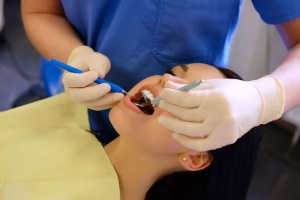
Tooth enamel is one of the strongest substances in the human body, but even it has limits. A sudden impact, ongoing pressure, or everyday habits can still cause teeth to chip or crack. Biting down on hard foods, playing contact sports without a mouthguard, or grinding your teeth while sleeping are among the most common causes of chipped teeth.
While a chipped tooth may seem like a minor issue at first, leaving it untreated can increase the risk of further damage, sensitivity, or decay. The good news is that modern dentistry offers several effective ways to repair chipped teeth quickly and restore both function and appearance.
In this article, we are going to explore options for chipped teeth, with a particular focus on white fillings and dental onlays as reliable, quick-fix solutions.
How to Fix a Chipped Tooth
The best way to treat a chipped tooth depends on several factors, including how severe the damage is, where the chip is located, and whether there is pain or sensitivity. In most cases, a chipped tooth is not considered a dental emergency unless it causes significant pain or interferes with eating or sleeping.
Even so, it is always recommended to see your dentist as soon as possible. Minor chips may only require smoothing and polishing, while more significant damage may call for restorative treatment.
Common treatment options include:
Dental inlays (fillings)
Fillings are used when a larger portion of the tooth needs to be rebuilt, restoring shape and function.
Tooth Reattachment
If the broken fragment is intact, it may be possible to reattach it. The fragment should be kept moist, ideally in milk, and brought to the dentist promptly.
Dental Bonding
Bonding uses composite or porcelain material to rebuild the missing part of the tooth. The material is shaped and hardened with a special light. Bonded restorations can last many years with proper care.
Dental Veneers
Dental veneers are thin coverings placed over the front surface of teeth to repair chips and cracks. They are strong, aesthetic, and can last for decades.
Dental Onlays
Onlays are often recommended when part of the tooth is damaged but the structure can still be preserved. They are durable and provide excellent protection.
How Long do Fillings Last?
Dental fillings are designed to be durable and can last many years, but they are not a permanent solution. Their lifespan depends on several factors, including the type of filling material used, the location of the tooth, and everyday habits such as chewing, grinding, or clenching.
Over time, constant pressure from eating and normal wear can cause fillings to weaken or develop small gaps at the edges. These gaps can allow bacteria and food particles to seep underneath the filling, leading to decay that is not always visible or painful in the early stages.
Decay beneath a filling is difficult to detect without professional examination and dental imaging. If left untreated, it can progress and reach the dental pulp, potentially resulting in infection or the need for more complex treatment.
This is why regular dental check-ups are essential, even when your teeth feel fine. Routine visits allow your dentist to monitor existing fillings, identify early signs of wear or decay, and replace or repair fillings before more serious problems develop.
Inlays and Onlays Explained
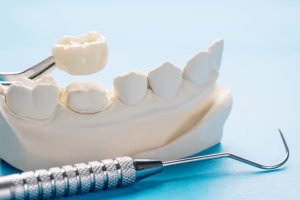
Inlays and onlays are often referred to as indirect fillings. They are custom-made by a dental laboratory and are used when a tooth is too damaged to support a standard filling but does not require a full crown.
Inlays are placed within the grooves of a tooth when the cusps are not damaged.
Onlays are used when a larger portion of the tooth is affected and may cover one or more cusps or the entire biting surface.
Both options are commonly made from composite resin and bonded to the tooth with strong dental cement. They restore the natural shape of the tooth, strengthen weakened areas, and help prevent further deterioration.
Common Dental Filling Materials
Modern dentistry offers several materials for dental fillings, each with its own advantages. The most suitable option depends on where the tooth is located, how much of the tooth structure is damaged, how visible the filling will be, and your personal preferences, including cost considerations.
Cast Gold Fillings
Gold fillings are known for their exceptional durability and resistance to wear. They can last well beyond 10 years and handle heavy chewing forces very effectively. Some patients also prefer their distinctive appearance. However, gold fillings are among the most expensive options and usually require more than one dental visit to place.
Silver Amalgam Fillings
Silver amalgam fillings are strong, reliable, and typically last up to 15 years. They are often more affordable than other materials and are well suited for back teeth where chewing pressure is highest. That said, their metallic appearance makes them more noticeable, and because they contain mercury, they may not be suitable for everyone.
Tooth-coloured Composite Fillings
Composite fillings are designed to closely match the natural colour of your teeth, making them a popular choice for visible areas. They bond directly to the tooth structure, which helps support the remaining tooth and allows for a more conservative preparation. While they are easy to place and highly aesthetic, composite fillings are generally less durable than metal options and tend to last around five years.
Your dentist will guide you through these options and recommend the most appropriate filling material based on your oral health, lifestyle, and long-term dental needs.
Expert Care for Chipped Teeth at MGA Dental
Chipped teeth should never be ignored, even when they seem minor. Early treatment can prevent further damage and help preserve your natural teeth.
At MGA Dental clinics in Brisbane and the Gold Coast, our team provides personalised care for chipped teeth, offering modern restorative solutions such as white tooth fillings, inlays, onlays, veneers, and crowns. We focus on restoring function, appearance, and long-term oral health using techniques tailored to your specific situation.
If you have a chipped tooth or are unsure which treatment option is right for you, contact our team at MGA Dental to get expert advice on the best way to restore your smile.
Written by Dr Goran Prokic, Principal Dentist at MGA Dental. Learn how tooth decay progresses, when a filling or root canal may be needed, and how cavities are treated at our Brisbane and Gold Coast clinics.
Dental emergencies can arise without warning and often at the most inconvenient time. A sudden toothache late at night, a sports injury on the weekend, or unexpected facial swelling can quickly become overwhelming. In these moments, knowing what to do and where to seek care is important. A dental emergency may involve severe pain, trauma, […]
Retainers play an important role in maintaining the results of your orthodontic treatment. Once your teeth are aligned, a retainer helps keep them in place and prevents them from gradually shifting back. However, wearing a retainer also means you need to take proper care of it. Without regular cleaning, retainers can collect bacteria, plaque, and […]
Noticing that your tongue has changed its color can be a stressful experience if you don’t know what is the cause of the discoloration. Changes in the color of your tongue can be subtle or dramatic, depending on the underlying health issue. In this article, we’ll outline the most common types of tongue discoloration to […]
Recovering from a tooth extraction does not end when the procedure is over. What you eat in the days that follow plays a major role in how quickly and comfortably your mouth heals. Choosing the wrong foods too soon can irritate the extraction site, dislodge the protective blood clot, and increase the risk of pain, […]
Maintaining good oral hygiene means brushing your teeth twice a day and flossing regularly. But if you’re diligent about your dental care, you may have wondered: is it possible to brush too much? According to dental experts, the answer is yes. Overbrushing can actually cause damage to your teeth and gums over time. If you […]
A brighter smile is one of the most common cosmetic dental goals, and professional teeth whitening remains one of the fastest ways to improve the appearance of stained or discoloured teeth. Among the available options, laser teeth whitening has become increasingly popular because of its speed and noticeable results. However, many patients still wonder whether […]
If you are missing one or more teeth, you may already be exploring options to restore your smile and chewing function. Dental bridges are a common solution, but a traditional bridge is not always suitable for every situation. When neighbouring teeth are not strong enough to provide support on both sides, a cantilever dental bridge […]
Multiple Sclerosis (MS) may not seem directly related to dental health at first glance, but the connection is stronger than many realise. This chronic neurological condition can affect a person’s ability to maintain proper oral hygiene, leading to an increased risk of dental problems and complications during treatments such as tooth extractions. Understanding how Multiple […]