Gum Contouring: How to Correct a Gummy Smile or Receding Gums
13 November 2020 | Updated: 14 April 2026
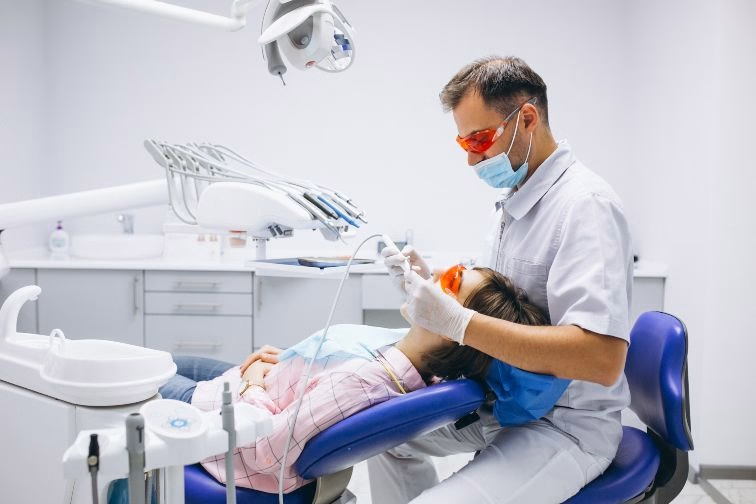
When people think about dental care, they often focus on teeth, especially preventing cavities. However, your gums play an equally important role in both your oral health and the appearance of your smile.
An uneven gum line, whether your gums sit too high or too low, can affect how your teeth look and how your mouth functions. In some cases, it may also point to underlying dental concerns.
Gum contouring, also known as a gum lift, is a safe and effective procedure that can improve both the health and aesthetics of your gums.
In this article, we’ll walk you through what gum contouring involves and the steps you can take to address common gum-related concerns.
What Is Gum Contouring?
Gum contouring is a dental procedure that reshapes or adjusts the gum line to create a more balanced and natural-looking smile.
It is commonly performed for cosmetic reasons, such as correcting a “gummy smile” or uneven gums. However, it can also be recommended for health reasons, particularly when excess or receding gum tissue affects oral hygiene or exposes tooth roots.
Healthy gums protect and support your teeth. When the gum line is properly shaped, it not only improves appearance but also helps maintain long-term oral health.
What Causes an Uneven Gum Line?
There are several reasons why your gum line may appear too high or too low.
Excess Gum Tissue (Gummy Smile)
When gums cover too much of the teeth, your teeth may appear shorter than they actually are. This can be caused by:
- Genetics
- Certain medications
- Inflammation or gum disease
- Natural variations in gum development
Gum Recession (Gums Too High)
When gums recede, more of the tooth, and sometimes the root, becomes visible. This can make teeth look longer and may lead to sensitivity.
Common causes include:
If left untreated, gum recession can increase the risk of decay, sensitivity, and tooth loss. In some cases, gum recession can be a sign of advanced periodontal disease, which can weaken the structures supporting your teeth, making early care especially important.
How the Gum Contouring Procedure Works
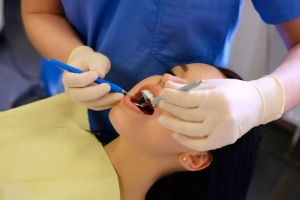
Gum contouring is typically a straightforward procedure performed under local anaesthetic to ensure comfort. There are two main approaches:
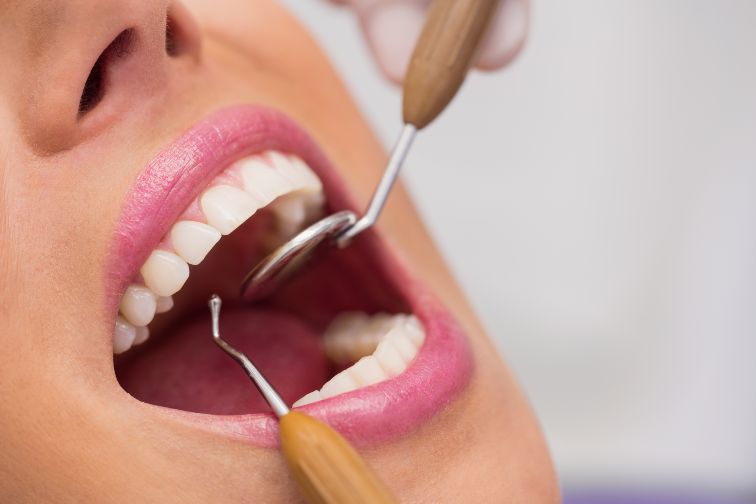
Traditional Method
This involves carefully removing or reshaping gum tissue using surgical instruments and may be recommended in more complex cases. It is typically performed under local anaesthetic to keep you comfortable throughout the procedure.
Laser Gum Contouring
Modern dental clinics often use laser technology to reshape the gums with high precision. This approach is minimally invasive, reduces bleeding, and usually allows for quicker healing. The procedure is generally comfortable, with minimal discomfort, making it an effective option for reshaping a gummy smile.
The procedure can take anywhere from 30 minutes to a couple of hours, depending on the extent of treatment. Most dentists and periodontists are experienced in performing gum contouring, but it’s always best to start with a consultation to determine the right treatment plan for your needs.
Treatment Options Based on Your Needs
The right approach depends on whether there is too much or too little gum tissue.
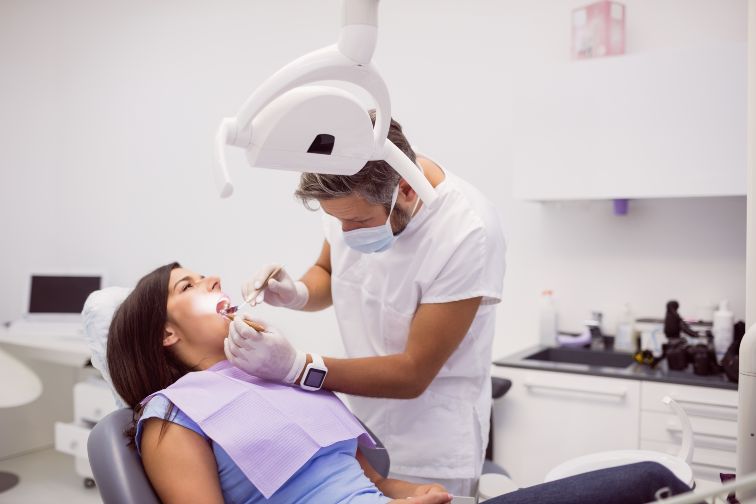
If You Have Excess Gum Tissue
A gum lift (gingivectomy) removes and reshapes excess gum tissue to expose more of the natural tooth structure and create a more balanced smile.
Before the procedure, your dentist will plan the ideal gum line with you, often using digital previews to help you visualise the result. On the day, local anaesthetic is used to keep you comfortable, and the gums are reshaped, commonly with laser technology for precision and minimal discomfort. The procedure is usually quick, depending on the extent of treatment.
In some cases, gum contouring alone may not be sufficient. Crown lengthening may be recommended, which involves adjusting the gum and sometimes the underlying bone to achieve a more stable, long-term result.
If You Have Gum Recession
A gum graft (gingival graft) is used to restore lost gum tissue and protect exposed tooth roots. Instead of removing tissue, this procedure adds it to areas where the gums have receded.
During the treatment, your dentist or periodontist uses tissue, often taken from the roof of your mouth or a donor source, to cover exposed areas and improve both function and appearance. The procedure is performed under local anaesthetic to keep you comfortable.
In addition to improving the look of your smile, a gum graft helps protect the tooth roots from sensitivity and decay, supporting long-term oral health.
Recovery After Gum Contouring

Recovery is generally straightforward, although healing time can vary depending on the procedure.
Most patients can expect:
- Mild discomfort for a few days
- Healing within one to two weeks (sometimes longer for grafting procedures)
Helpful Recovery Tips
- Take prescribed medication as directed
- Avoid aspirin unless advised, as it can increase bleeding
- Stick to soft foods for the first few days (e.g. yoghurt, eggs, soups)
- Avoid spicy or crunchy foods during healing
- Maintain gentle oral hygiene as instructed by your dentist
If you notice excessive swelling, bleeding, or discomfort, it is important to contact your dentist promptly.
Are There Any Risks?
Gum contouring is a safe and commonly performed procedure, especially when carried out by an experienced dental professional.
As with any treatment, there are some risks, although they are relatively rare:
- Infection, which can be managed with antibiotics if needed
- Gum tissue regrowth or relapse
- Temporary sensitivity
- Reaction to anaesthetic
Your dentist will discuss these with you during your consultation and ensure the treatment is appropriate for your situation.
Is Gum Contouring Right for You?
If you are unhappy with the appearance of your gums or have concerns such as gum recession or difficulty cleaning around your gum line, gum contouring may be worth considering.
A professional assessment is the best way to determine whether treatment is needed and which approach will give you the best result.
Personalised Gum Care at MGA Dental
Healthy gums are the foundation of a confident smile. Whether your concern is cosmetic or related to oral health, the right dental treatment can make a meaningful difference.
At MGA Dental Clinic, we provide personalised care tailored to your needs, from gum contouring and periodontal treatments to ongoing preventive care. Our team focuses on achieving natural-looking results while supporting long-term oral health.
With clinics on the Gold Coast and in Brisbane, we are here to guide you through every step of your treatment.
If you are considering gum contouring or have concerns about your gum health, feel free to contact MGA Dental and book a consultation. We are here to help you achieve a healthy, balanced smile with confidence.