Bruxism: Causes, Symptoms, and Treatment Procedures
7 November 2019 | Updated: 12 January 2026
Teeth grinding and jaw clenching are often dismissed as minor habits, but over time they can place significant strain on your teeth, jaw, and surrounding muscles. Bruxism is a common condition that can lead to ongoing discomfort, tooth damage, and disrupted sleep if left unmanaged.
Many patients are unaware they grind their teeth, particularly when it occurs during sleep. Others may notice symptoms such as jaw pain, headaches, or increasing tooth sensitivity without immediately connecting them to bruxism. Understanding what causes bruxism and how it is treated can help prevent long-term dental complications and improve overall comfort.
In this article, we explain what bruxism is, why it happens, how it affects your oral health, and the most effective treatment options available.
What Is Bruxism?
Bruxism is a condition characterised by involuntary teeth grinding or jaw clenching. It can occur while you are asleep (sleep bruxism) or while you are awake (awake bruxism). Sleep bruxism is more common and often goes unnoticed until symptoms develop or are identified during a dental examination.
Over time, the repetitive force created by grinding can wear down tooth enamel, strain the jaw muscles, and place pressure on the temporomandibular joint (TMJ). In more severe cases, bruxism may lead to cracked teeth, gum recession, jaw disorders, and chronic facial pain.
Common symptoms of bruxism include:
- Jaw soreness or stiffness – especially upon waking, caused by prolonged muscle tension during grinding or clenching overnight.
- Frequent headaches – often starting near the temples or behind the eyes, due to overworked jaw and facial muscles.
- Increased tooth sensitivity – along with flattened or uneven tooth surfaces, as repeated grinding wears down protective enamel.
- Chipped, cracked, or visibly worn teeth – which may develop gradually and increase the risk of decay or fractures.
- Facial, neck, or ear pain – that can mimic other conditions and is often linked to muscle strain rather than dental infection.
- Unintentional biting of the cheeks or tongue during sleep – which may cause soreness or small injuries inside the mouth.
Because many people grind their teeth while asleep, symptoms are often noticed by a partner or identified during a routine dental examination rather than felt immediately.
Sleep Bruxism vs Awake Bruxism
Although both conditions involve teeth grinding or jaw clenching, sleep and awake bruxism differ in how and when they occur.
Sleep bruxism happens unconsciously during sleep and is commonly linked to brief arousal episodes. Many people are unaware they grind their teeth at night and only notice symptoms such as morning jaw stiffness, headaches, or tooth sensitivity. This form of bruxism is closely related to the body’s sleep regulation system. As the brain moves between sleep stages, short arousals can activate the jaw muscles through the central nervous system, leading to repeated clenching or grinding throughout the night without conscious awareness.
Awake bruxism, on the other hand, occurs during waking hours and is usually associated with stress, anxiety, or intense concentration. People may clench their teeth while working, driving, or under emotional pressure, with discomfort often building as the day progresses rather than being most noticeable in the morning.
Both sleep and awake bruxism can place excessive strain on the teeth and jaw over time, which is why professional assessment and appropriate management are important.
What Causes Bruxism?
There is no single, clearly defined cause of bruxism. Most cases develop as a result of several overlapping factors involving the nervous system, sleep patterns, and daily habits.
One widely accepted theory is that sleep bruxism is linked to changes in brain activity during sleep. Doctors believe it may be associated with dreaming or brief arousal episodes that occur as the brain shifts between sleep stages. During these moments, jaw muscles can become unusually active, triggering involuntary clenching or grinding.
People with sleep bruxism often experience repeated episodes throughout the night. These episodes are made up of rhythmic masticatory muscle activity (RMMA), where the jaw muscles contract at a steady pace, sometimes about once per second. Grinding intensity and frequency vary from person to person, which helps explain why symptoms range from mild wear to significant dental damage.
Common contributing factors include:
Stress and Anxiety
Emotional tension is one of the most common triggers, particularly for awake bruxism. Stress can also worsen sleep-related grinding.
Genetic Factors
Bruxism often runs in families, suggesting a hereditary component, even though specific genes have not yet been identified.
Sleep Disturbances
Disruptions in normal sleep cycles or frequent micro-awakenings increase the likelihood of jaw muscle activation during sleep.
Age
Bruxism is more common in children and teenagers and may improve with age, although many adults continue to experience symptoms.
Smoking and Stimulants
Nicotine affects neurotransmitter activity in the brain and has been linked to an increased risk of teeth grinding.
Medications
Certain antidepressants, stimulants, and medications that influence dopamine or serotonin levels can intensify bruxism symptoms.
Substance Use
Recreational drugs, particularly MDMA, are strongly associated with jaw clenching, teeth grinding, and muscle tension.
Because bruxism usually develops from a combination of these factors, treatment often focuses on both protecting the teeth and addressing underlying triggers such as stress, sleep quality, or medication use.
How Bruxism Affects Your Teeth and Jaw
Repeated grinding places excessive force on teeth and supporting structures. Over time, this can result in:
-
Loss of enamel, which increases tooth sensitivity and the risk of decay
-
Cracks, chips, or fractures in natural teeth and existing fillings, crowns, or veneers
-
Gum recession, as constant pressure affects the supporting tissues around the teeth
-
Jaw muscle fatigue and inflammation, often causing facial pain and morning stiffness
-
Temporomandibular joint (TMJ) discomfort, including clicking, tension, or difficulty opening the mouth fully
If bruxism is left untreated, it can shorten the lifespan of dental restorations and make future treatment more complex, often requiring more extensive dental intervention over time.
How Bruxism Is Diagnosed
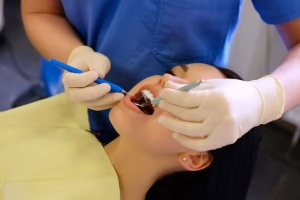
Bruxism is often identified during a routine dental examination. Dentists look for signs such as uneven tooth wear, cracked enamel, jaw tenderness, or muscle enlargement inside the cheeks.
If symptoms are significant or complex, further assessment may be recommended to evaluate bite alignment, jaw function, or sleep-related factors.
Treatment Options for Bruxism
Treatment focuses on protecting the teeth, relieving symptoms, and addressing contributing factors. The appropriate approach depends on the severity of grinding and the impact on oral health.
Dental Treatment Options
Mouthguards and splints
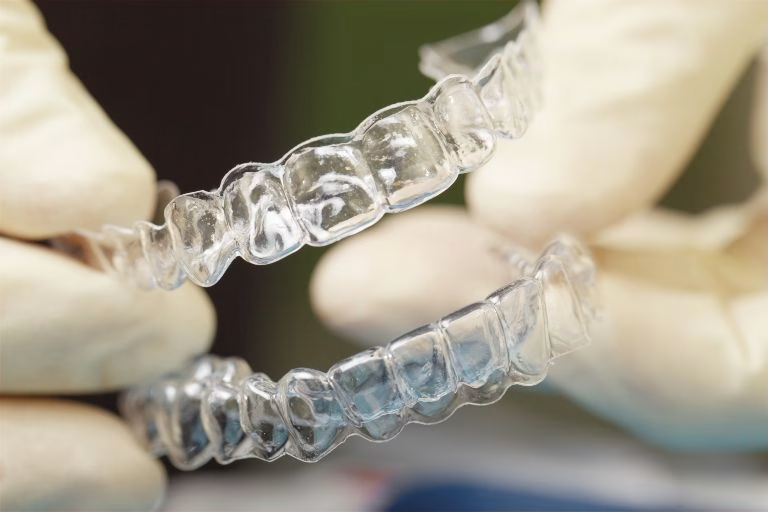
Wearing a night guard is one of the most effective ways to manage sleep bruxism. These devices protect teeth from direct contact and reduce pressure on the jaw.
Common options include:
1. Custom-made mouthguards – created using a dental impression, these provide the best fit, comfort, and protection.
2. Boil-and-bite guards – more affordable but less precise, with variable comfort and durability.
3. Over-the-counter guards – least customised and generally less effective for long-term use.
4. Dental correction – in cases where bite alignment contributes to grinding, selective reshaping or restorative work may be recommended to balance chewing forces.
Medical and Supportive Treatments
There is no medication that cures bruxism, but some options may help reduce symptoms in severe cases:
-
Muscle relaxants taken short-term under medical supervision
-
Botox injections to reduce jaw muscle activity
-
Management of underlying stress or anxiety
Please consult your doctor before taking any of these medications for bruxism. Lifestyle strategies such as stress reduction, relaxation techniques, and improving sleep habits can also play an important role.
Can Bruxism Go Away on Its Own?
In children, bruxism often resolves naturally as the jaw develops and adult teeth come through, usually without the need for treatment. Many children grind their teeth during certain stages of growth and eventually outgrow the habit.
In adults, bruxism does not typically disappear on its own, but symptoms can fluctuate. Periods of increased stress, anxiety, poor sleep, or lifestyle changes may worsen grinding, while calmer phases may reduce it. Even when symptoms seem mild or intermittent, ongoing grinding can still place excessive force on the teeth and jaw.
Because of this, regular monitoring is important. Protective measures, such as a custom night guard and early dental assessment, can help prevent long-term damage, reduce discomfort, and preserve both tooth structure and jaw health.
When to See a Dentist
You should seek dental advice if you experience:
-
Ongoing jaw pain or headaches
-
Tooth sensitivity or visible wear
-
Cracked or chipped teeth
-
Facial soreness or clicking in the jaw
-
Disrupted sleep due to discomfort
Early intervention helps prevent further damage and reduces the need for more complex treatment.
Dental Care Support at MGA Dental
At MGA Dental, we regularly help patients manage bruxism through careful assessment and personalised treatment planning. Our team focuses on protecting your teeth, relieving discomfort, and addressing contributing factors to reduce long-term risks.
If you experience jaw pain, tooth wear, or suspect you may be grinding your teeth, contact MGA Dental to book a consultation. With clinics in Brisbane and the Gold Coast, we provide tailored care to help you protect your smile and maintain long-term oral health.