Dental Implant Procedure: What to Expect Step by Step
26 August 2019 | Updated: 15 April 2026
Dental implants have become one of the most reliable and widely used solutions for replacing missing teeth. Whether you are missing a single tooth or several, implants offer a long-term option that looks, feels, and functions like natural teeth.
If you are considering treatment, understanding the process can make the experience feel much more straightforward and less overwhelming.
In this guide, we walk you through the dental implant procedure, what to expect at each stage, and how it supports your long-term oral health.
What Is a Dental Implant?
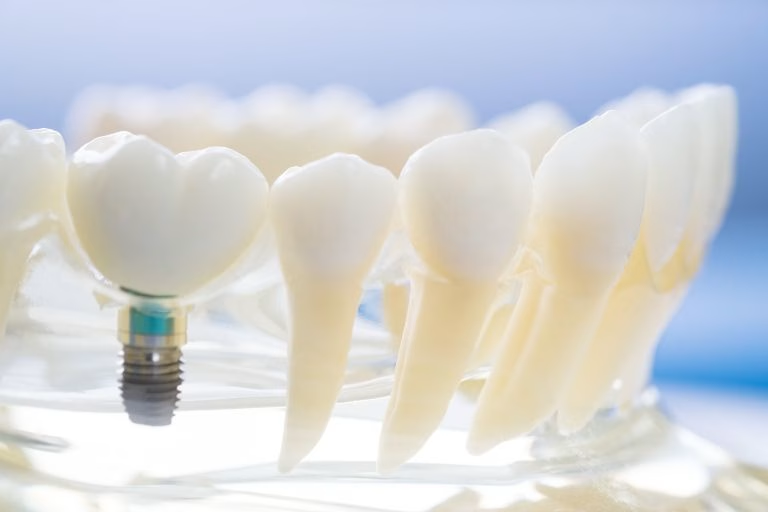
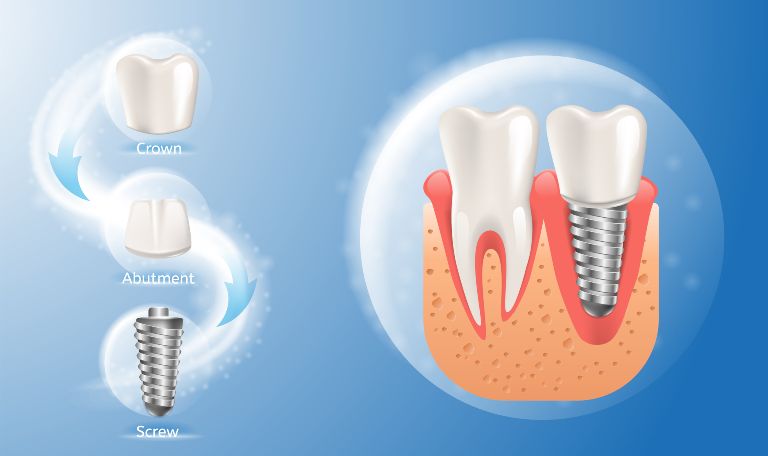
A dental implant is an artificial tooth root, usually made of titanium, that is placed into the jawbone to support a replacement tooth.
It consists of three main parts:
- Implant post – placed into the jawbone
- Abutment – connects the implant to the crown
- Crown – the visible tooth that matches your natural teeth
Over time, the implant integrates with your jawbone, creating a stable and long-lasting foundation.
Benefits of Dental Implants
Dental implants offer both functional and aesthetic advantages:
Natural Look and Feel
Implants are designed to blend seamlessly with your existing teeth.
Long-term Solution
With proper care, implants can last many years, often decades.
Improved Comfort and Convenience
Unlike dentures, implants stay securely in place and do not require adhesives.
Better Chewing and Speech
They restore full function, making it easier to eat and speak clearly.
Support for Oral Health
Implants do not rely on neighbouring teeth and help maintain bone structure in the jaw.
Boosted Confidence
A complete smile can significantly improve how you feel about your appearance.
Are There Any Risks?
Dental implants are considered a safe and predictable treatment, especially when planned and performed by experienced professionals.
But, as with any procedure, there are some considerations:
- Mild discomfort or swelling after surgery
- Healing time between stages
- In some cases, additional procedures such as bone grafting may be needed
Most patients find the procedure more comfortable than expected, especially with modern techniques and local anaesthetic.
Dental Implant Procedure: Step by Step
Dental implant treatment is usually completed in stages, allowing time for healing and long-term stability.
1. Consultation and Planning
Your dentist will begin with a detailed assessment, including X-rays or 3D scans, to evaluate your teeth, gums, and bone structure.
If a damaged tooth needs to be removed, this is usually done at this stage.
2. Bone Grafting (If Needed)
If your jawbone is not strong or thick enough to support an implant, a bone graft may be recommended.
This involves adding bone material to strengthen the area. Healing can take several months, depending on the extent of the graft.
3. Implant Placement
During this stage, the implant post is placed into the jawbone under local anaesthetic. The procedure involves gently opening the gum and placing the implant into the bone.
While this is the most involved step, it is typically well tolerated and carefully managed for your comfort.
4. Healing and Osseointegration
After placement, your jawbone needs time to heal and integrate with the implant. This process, called osseointegration, creates a strong and stable foundation.
Healing time varies but often takes a few months. Temporary solutions, such as a temporary crown or denture, may be used during this period.
5. Abutment Placement
Once healing is complete, the abutment is attached to the implant. This connector holds the final crown in place.
This step is usually straightforward and less invasive than implant placement.
6. Crown Placement
The final stage is placing the custom-made crown. This is designed to match the shape, colour, and size of your natural teeth.
Depending on your needs, the crown may be fixed or removable, although fixed options are more common.
Why Choose Dental Implants?
Dental implants are often recommended because they restore both the function and structure of your mouth, working much like natural teeth.

They help:
- Replace missing teeth with a stable, natural-feeling solution
- Prevent bone loss in the jaw after tooth loss
- Keep surrounding teeth properly aligned
- Reduce the risk of further dental issues caused by gaps, such as cavities and decay
They also support facial structure, helping to maintain a natural appearance over time.
Recovery and Aftercare
Recovery varies depending on the complexity of the procedure, but most patients experience only mild discomfort after treatment.
General recovery timeline:
- A few days of mild soreness after surgery
- About one week for initial healing
- Several months for full integration of the implant
Aftercare tips:
Caring for implants is similar to caring for natural teeth and is essential for long-term success.
Dental Implants at MGA Dental Clinic
Dental implants are a long-term investment in your oral health, comfort, and confidence. With proper planning and care, they can provide a stable and natural-looking solution for missing teeth.
At MGA Dental clinic, we take a personalised approach to implant treatment, carefully assessing your needs and guiding you through each step of the process. Our team focuses on comfort, precision, and long-term results.
With clinics on the Gold Coast and in Brisbane, we are here to support you from your initial consultation through to final restoration and ongoing care.
If you are considering dental implants or would like to explore your options, feel free to contact MGA Dental and book a consultation. We are here to help you restore your smile with confidence.