How to Use Electric Toothbrush Properly
30 December 2020 | Updated: 15 December 2025
Good oral hygiene habits start early, and brushing your teeth regularly is one of the simplest and most effective ways to protect your oral health. Most dentists recommend brushing at least twice a day, as this helps remove plaque and reduce the growth of harmful bacteria that can lead to tooth decay and gum disease.
For decades, the manual toothbrush was the standard tool for daily oral care. Today, however, more people are choosing electric toothbrushes as part of their routine. When used correctly, both manual and electric toothbrushes can be effective.
The difference lies in how consistently and efficiently plaque is removed. Electric toothbrushes are designed to make brushing easier and more thorough, particularly for people who struggle with technique or dexterity.
In this article, we explain how electric toothbrushes work, how to use them properly, and how they compare to manual toothbrushes, so you can decide whether they are the right choice for you.
How Does an Electric Toothbrush Work?

The primary purpose of any toothbrush, whether manual or electric, is to remove dental plaque. Plaque is a sticky film made up of bacteria that constantly forms on the surface of the teeth and along the gum line.
If plaque is not removed regularly, it can harden into tartar and contribute to common dental problems such as cavities, gingivitis, and periodontal disease.
With a manual toothbrush, effective plaque removal depends heavily on proper technique. This usually means using small, gentle circular motions at an angle of around 45 degrees to the gum line, making sure all tooth surfaces are cleaned, including the back teeth, gum margins, and hard-to-reach areas. Consistency and technique play a major role in how effective manual brushing is.
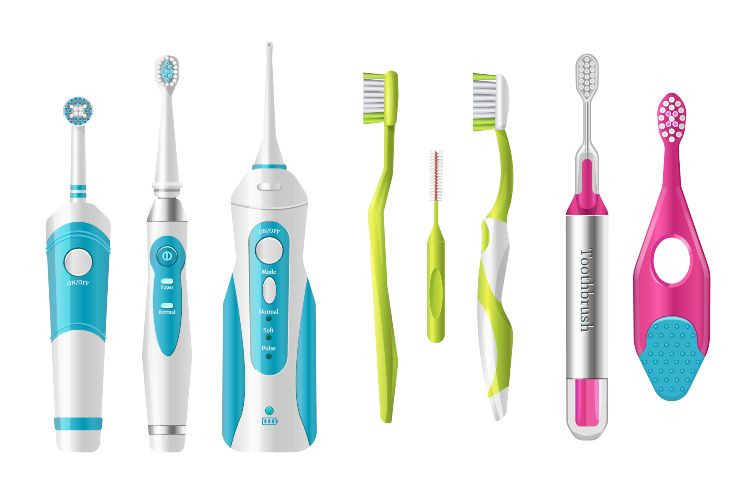
An electric toothbrush works by automating the brushing motion. Instead of moving the brush by hand, the brush head oscillates, rotates, vibrates, or produces high-frequency sonic movements to help break up and remove plaque. You simply guide the brush slowly from tooth to tooth and hold it in place for a few seconds on each surface, allowing the brush to do the work. There is no need to scrub or apply pressure, as brushing too hard can damage enamel and irritate the gums.
Most electric toothbrushes are rechargeable and include features such as:
-
Replaceable brush heads
-
Built-in timers to encourage two-minute brushing
-
Pressure sensors to prevent over-brushing
-
Different speed or cleaning modes
Electric toothbrushes are commonly classified by:
These automated movements can be particularly helpful for people with reduced hand mobility, arthritis, or difficulty maintaining consistent brushing technique, making electric toothbrushes a practical option for many patients.
How to Brush Your Teeth with an Electric Toothbrush
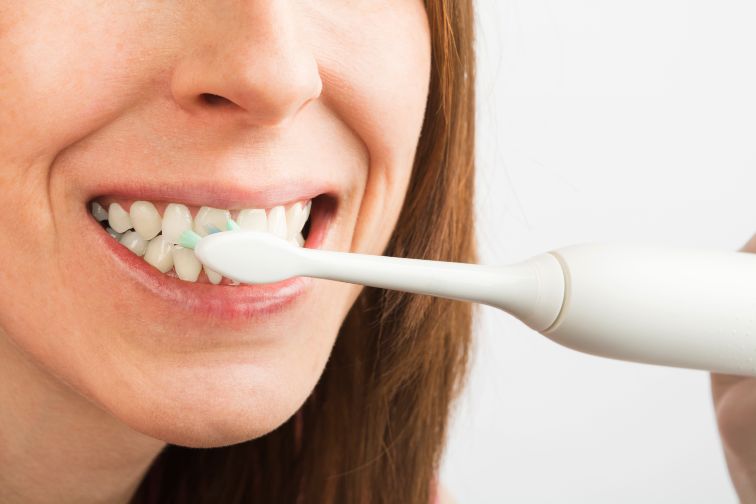
Using an electric toothbrush is simple, but technique still matters. One of the most common mistakes when switching from manual toothbrushes to electric ones is brushing too hard. Gentle guidance is all that’s needed.
Some of the electric toothbrushes even have pressure sensors that will alert you if you are brushing or pressing too hard.
A good brushing routine includes:
- Step 1: Charge your toothbrush. Most of the electric toothbrushes have a battery level indicator, which will tell if it is full or it needs to recharge.
- Step 2: Begin brushing from the outer surfaces of your teeth. Guide the brush head slowly from tooth to tooth and hold it against each tooth for a couple of seconds. Follow your gum line and the shape of your teeth until everything is properly cleaned.
- Step 3: Now repeat step 2, only cleaning the inside surface of your teeth. Food particles get stuck here, too.
- Step 4: Don’t forget to focus on the chewing surfaces of your teeth and back teeth.
- Step 5: Guide the brush head down the gum line. Just remember, no pressing or scrubbing since gums are particularly sensitive.
- Step 6: Finally, slowly clean the roof of your mouth and surface of your tongue. This helps to freshen up your breath.
Aim for a total brushing time of at least two minutes.
Electric vs Manual Toothbrush: What Are the Benefits?
When comparing electric and manual toothbrushes, both can be effective tools for maintaining good oral health if used correctly. However, electric toothbrushes offer several advantages, particularly for people who struggle with brushing technique or consistency.
One of the main benefits of an electric toothbrush is improved plaque removal. The automated brushing motion helps clean along the gum line and between teeth more thoroughly, areas where plaque tends to accumulate most easily. Because much of the work is done by the brush itself, users can focus on guiding it properly rather than worrying about technique.
Many electric toothbrushes also include built-in timers that encourage brushing for the recommended two minutes. Some models even divide this time into intervals, helping ensure that all areas of the mouth receive equal attention.
Electric toothbrushes can be especially helpful for people with arthritis, carpal tunnel syndrome, or reduced hand strength, as they require minimal manual effort. They can also reduce waste over time, since only the brush head needs to be replaced rather than the entire toothbrush.
For children, electric toothbrushes often make brushing more engaging and enjoyable, which can help establish healthy habits early on. When used properly, they are also gentler on enamel and gums, reducing the risk of over-brushing and gum irritation.
That said, a manual toothbrush can still be an effective option when used with the correct technique and for the appropriate amount of time. The most important factor remains consistency and proper brushing habits, regardless of the type of toothbrush you choose.
How to Clean and Maintain an Electric Toothbrush
Keeping your electric toothbrush clean is an essential part of maintaining good oral hygiene. Because toothbrushes are constantly exposed to bacteria, proper cleaning and storage help reduce the risk of contamination.
After each use:
-
Remove the brush head from the handle
-
Rinse the brush head thoroughly under warm running water to remove toothpaste and debris
-
Allow the brush head and handle to air dry in an upright position
-
Always detach the brush head before cleaning to avoid damaging the device
For ongoing maintenance and hygiene:
-
Avoid storing toothbrushes so that the bristles touch, as this can lead to cross-contamination
-
Keep your toothbrush as far away from the toilet as possible, as flushing can spread bacteria through the air
-
Store your toothbrush in a clean, dry place, such as a medicine cabinet
-
Consider using a toothpaste pump dispenser to reduce the risk of bacteria transferring to the bristles
Optional additional care:
-
Some people choose to soak brush heads occasionally in a mild hydrogen peroxide solution
-
If used, replace the solution daily and place the brush head bristles-down in the solution
-
Always rinse and dry the brush head thoroughly before reuse
Following these steps helps keep your electric toothbrush hygienic and ensures it continues to clean your teeth effectively.
Professional Oral Care Advice at MGA Dental
Choosing the right toothbrush and using it correctly can make a real difference to your oral health, but regular professional care is just as important. At MGA Dental clinic, our team provides personalised dental advice, preventive care, and routine check-ups to help keep your teeth and gums healthy.
If you have questions about electric toothbrushes, brushing technique, or your overall oral hygiene routine, contact our team at MGA Dental in Brisbane or the Gold Coast to book an appointment and receive guidance tailored to your needs.