10 Things Dentists Wish You Knew (And Why They Matter)
21 July 2017 | Updated: 17 April 2026
Good oral health doesn’t come down to one big decision. It’s built through small, consistent habits that most dentists see every day.
The truth is, many common dental problems are preventable. With the right knowledge, you can avoid discomfort, reduce costs, and keep your smile healthy long term.
Here are 10 practical insights dentists want every patient to understand.
1. Brushing Twice a Day Still Matters Most
Brushing for two minutes, twice a day, remains the foundation of good oral health.
It helps remove plaque, a sticky film of bacteria that builds up on your teeth and leads to decay and gum disease. Brushing more often is not necessarily better. What matters is doing it properly and consistently.
2. Your Toothbrush Needs Regular Replacing
A worn toothbrush is less effective and can harbour bacteria.
Replace your toothbrush (or electric brush head) every three months, or sooner if the bristles are frayed. If you have gum issues or have been unwell, consider replacing your toothbrush more often, around every 4 to 6 weeks, as it can harbour bacteria that may contribute to oral infections.
Choose a soft-bristled, small-headed brush to protect your gums and reach difficult areas more easily.
3. Brushing Alone Is Not Enough
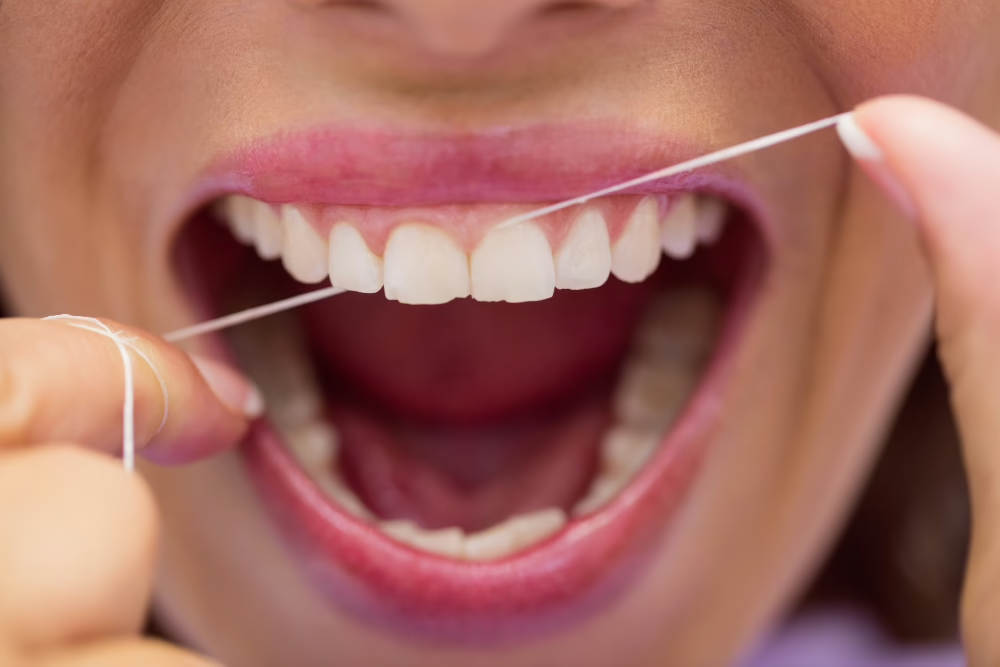
Even the best brushing technique cannot reach between your teeth.
Daily flossing or using interdental brushes helps remove plaque from these areas, reducing the risk of cavities and gum disease. Gum health is closely linked to overall health, including conditions such as heart disease.
4. Persistent Bad Breath Is a Warning Sign
Bad breath is often caused by bacteria, gum inflammation, or untreated decay.
Mouthwash may temporarily mask the problem, but it doesn’t address the underlying cause. If bad breath persists, it’s best to book a dental check-up so your dentist can identify the source and recommend appropriate treatment, especially if it’s related to gum health.
5. Regular Check-Ups Prevent Bigger Problems
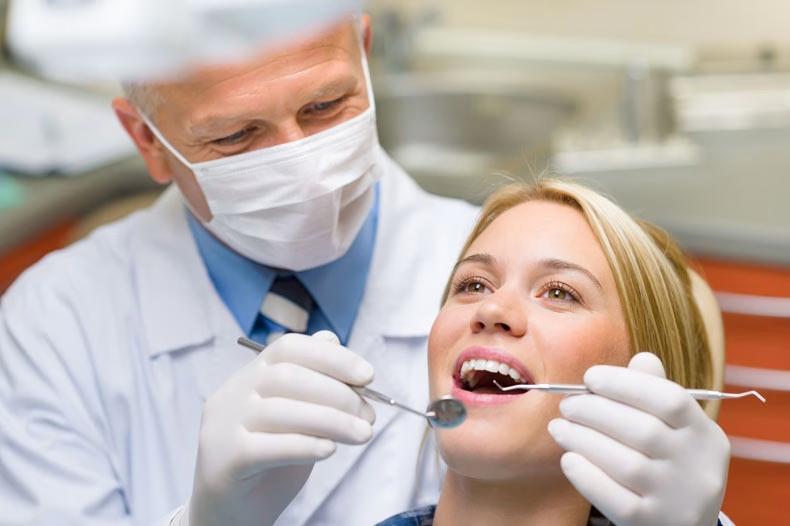
Dental visits are not just for when something hurts. Routine check-ups allow your dentist to detect early signs of decay, gum disease, and other issues before they become more complex or costly to treat.
Preventive care is always simpler and more effective than reactive treatment.
6. Oral Cancer Screening Is Part of Your Check-Up
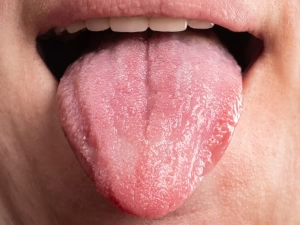
During routine visits, dentists also perform oral cancer screening to check for early signs of the condition.
Early detection significantly improves outcomes. Risk factors include smoking, excessive alcohol use, and HPV infection, making regular screenings an important part of overall health care.
7. Healthy foods = Healthy teeth
Frequent consumption of sugary or highly processed foods without “real” nutritional value feeds bacteria in your mouth, producing acids that weaken enamel.
Choosing whole foods, reducing sugar intake, and drinking water regularly helps protect your teeth and supports overall health.
8. Dental Problems Don’t Resolve on Their Own
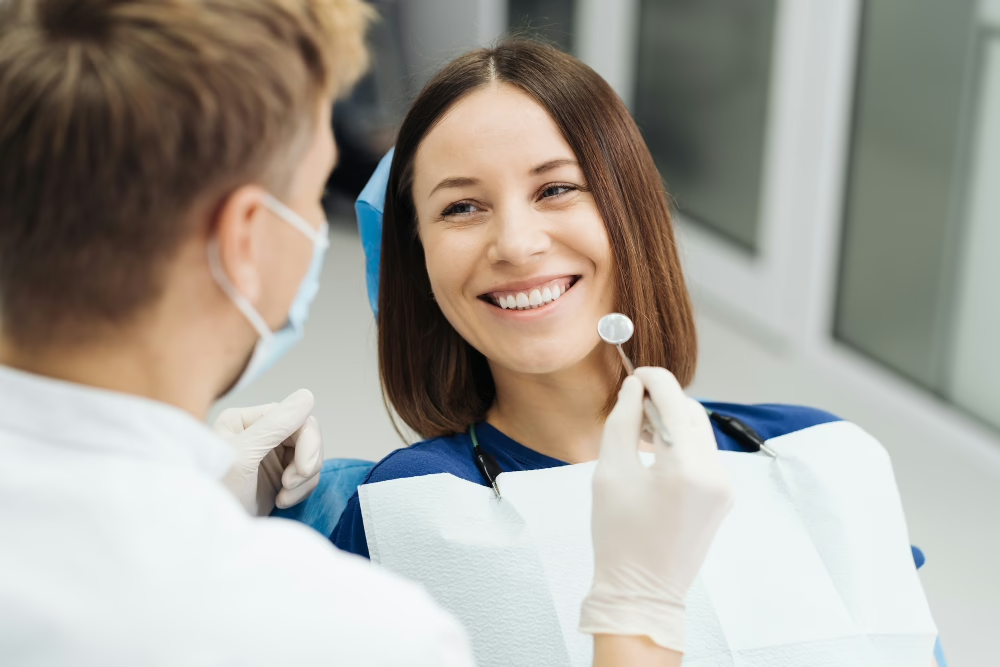
Ignoring early symptoms rarely works in your favour.
Small issues, such as minor decay, can quickly progress into more serious problems that require more complex and urgent treatment. Acting early usually means simpler, less invasive care, so it’s best not to delay your dental appointments.
9. Root Canal Treatment Is Not as Painful as You Think
Root canal therapy often has an outdated reputation.
With modern techniques and anaesthesia, it is typically no more uncomfortable than a standard filling. More importantly, it allows you to preserve your natural tooth rather than remove it.
10. Good Oral Health Is Achievable
Maintaining a healthy smile doesn’t require complicated routines. With consistent brushing, daily cleaning between teeth, regular check-ups, and a balanced diet, most dental problems can be avoided.
It’s less about perfection and more about consistency.
Supporting Your Oral Health with MGA Dental Clinic
Looking after your teeth should feel straightforward and supported, not overwhelming.
At MGA Dental clinic, we focus on preventive, patient-centred care to help you maintain a healthy smile at every stage of life. Whether you need a routine check-up, treatment, or advice on improving your oral hygiene, our team is here to help.
With clinics on the Gold Coast and in Brisbane, we offer personalised care in a calm and professional environment.
If it’s been a while since your last check-up, or you have any concerns about your oral health, feel free to contact MGA Dental and book an appointment.