How to Fix Crooked Teeth Without Braces
5 August 2019 | Updated: 29 April 2026
A straight, balanced smile is something many people want, but not everyone is keen on wearing traditional braces. The good news is that, depending on your situation, there are several alternatives that can help improve the appearance and alignment of your teeth.
Not all cases require braces, especially when the misalignment is mild. The right solution depends on the cause, severity, and your long-term oral health goals.
In this guide, we explore the most common ways to fix crooked teeth without braces and help you understand which options may be suitable.
Can Crooked Teeth Be Fixed Without Braces?
In some cases, yes.
If your teeth are only slightly misaligned or crowded, non-braces options may be enough to improve both function and appearance. However, more complex alignment or bite issues often require orthodontic treatment.
A proper dental assessment is always the first step to determine what will work best for you.
Common Ways to Fix Crooked Teeth Without Braces
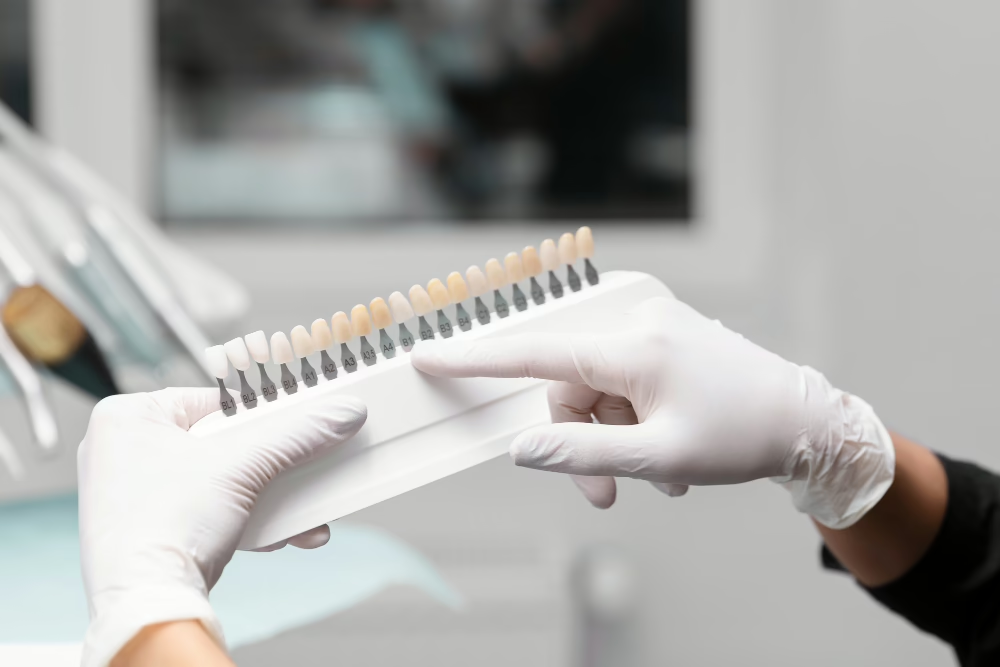
Depending on your specific dental concern, there may be several ways to improve the appearance or alignment of your teeth without traditional braces.
1. Retainers
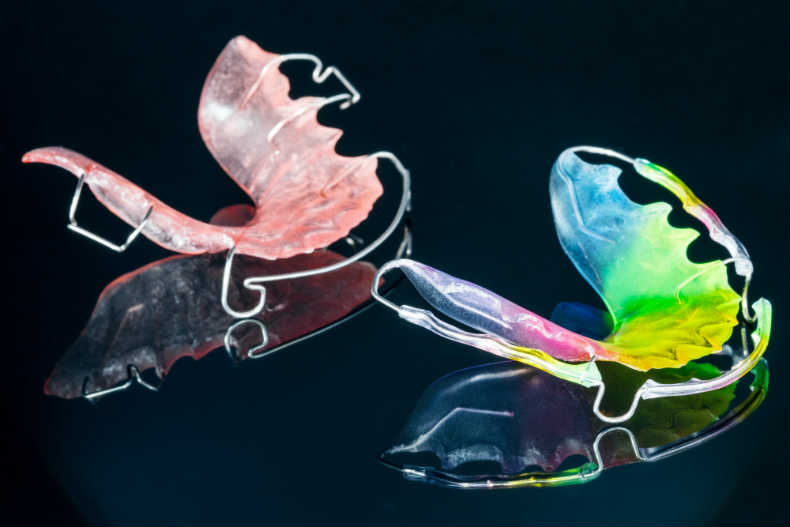
Retainers are often used after orthodontic treatment, but in mild cases, they may also help correct small shifts in tooth position.
There are three different types:
- Fixed retainers – bonded behind the teeth for long-term stability
- Hawley retainers – removable, made from acrylic and wire
- Clear removable retainers – discreet and convenient, but require consistent use
Retainers are generally suitable for minor corrections rather than significant alignment changes.
2. Orthodontic Appliances (for Bite Issues)
If crooked teeth are related to jaw alignment problems, certain orthodontic appliances may be recommended.
These include:
- Herbst appliance – helps reposition the lower jaw in growing patients
- Headgear – used in specific cases to guide jaw development
These options are more commonly used in children or teenagers while the jaw is still developing.
3. Palatal Expanders
If the upper jaw is too narrow, a palatal expander can help create space for teeth to move into a more natural position.
This device gradually widens the upper jaw, allowing teeth to align more evenly. It is most effective in younger patients but may be used in selected adult cases.
4. Composite Veneers (Composite Bonding)
For patients looking to improve the appearance of slightly crooked teeth, composite veneers can be a fast and minimally invasive option.
This treatment involves applying a tooth-coloured resin to reshape and improve the alignment of teeth visually.
Key benefits:
- Can often be completed in a single visit
- Requires minimal removal of natural tooth structure
- More affordable than porcelain veneers
- Can improve symmetry and close small gaps
It’s important to note that this option improves the appearance rather than physically moving the teeth.
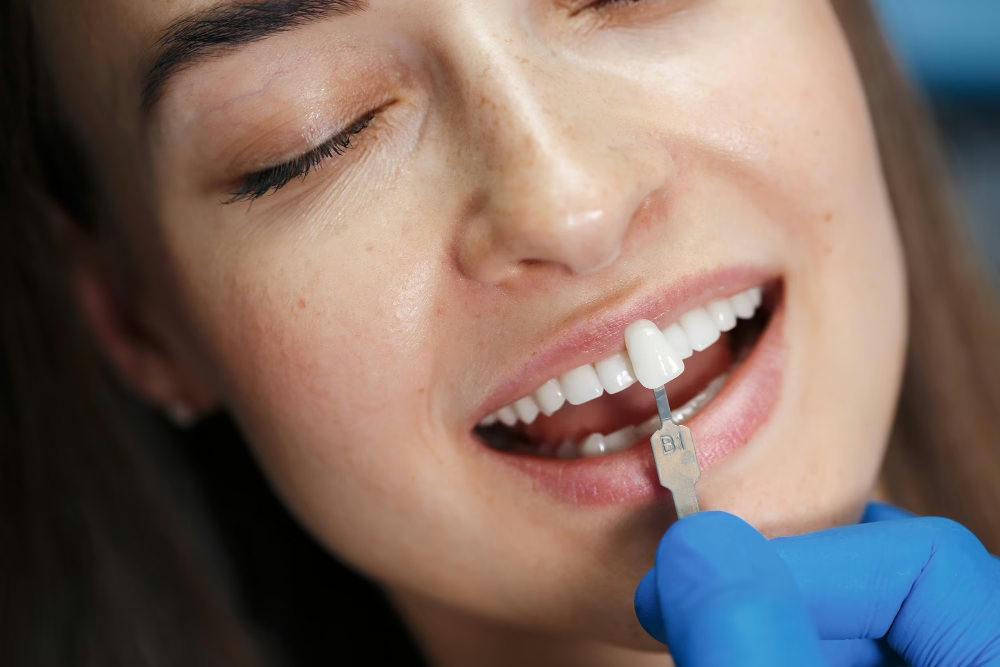
5. Porcelain Veneers
Porcelain veneers are thin, custom-made shells placed over the front of the teeth to create a straighter, more uniform smile.
They are suitable for:
- Mild misalignment
- Gaps between teeth
- Irregular shapes or uneven edges
Porcelain veneers are durable and natural-looking, typically lasting 10 to 15 years with proper care.
What Causes Crooked Teeth?
Crooked teeth are not always purely genetic. Several factors can influence how teeth develop and align:
- Childhood habits such as thumb sucking or tongue thrusting
- Mouth breathing or incorrect swallowing patterns
- Jaw size and development
- Lack of regular dental care
- Injury or trauma to the teeth or jaw
- Diets that require less chewing, affecting jaw development
Understanding the cause helps determine the most effective treatment approach.
Are These Options Right for Everyone?
Not always.
Non-braces solutions are usually best for mild cosmetic concerns. If you have significant crowding, spacing, or bite issues, treatments such as clear aligners or braces may still be the most effective and predictable option.
That’s why a personalised consultation is essential.
How Long Do Veneers Last?
Veneers are thin shells, usually made from porcelain, that are placed over the front surface of the teeth to improve their shape, colour, and overall symmetry. Compared with crowns or braces, they are less invasive and can be used to visually correct minor misalignment or close small gaps.
Veneers are long-lasting but not permanent.
- Porcelain veneers typically last 10-15 years
- Composite veneers may last several years but may require maintenance or repair
Avoiding habits such as biting hard objects and maintaining good oral hygiene will help extend their lifespan.
Choosing the Right Approach
There is no one-size-fits-all solution for crooked teeth. The best option depends on:
- The severity of misalignment
- Your oral health
- Your aesthetic goals
- Your budget and timeline
A professional assessment ensures you choose a treatment that is both effective and safe for your long-term dental health.
Straighten Your Smile with MGA Dental Clinic
Improving the alignment of your teeth doesn’t always mean braces, but it does require the right guidance.
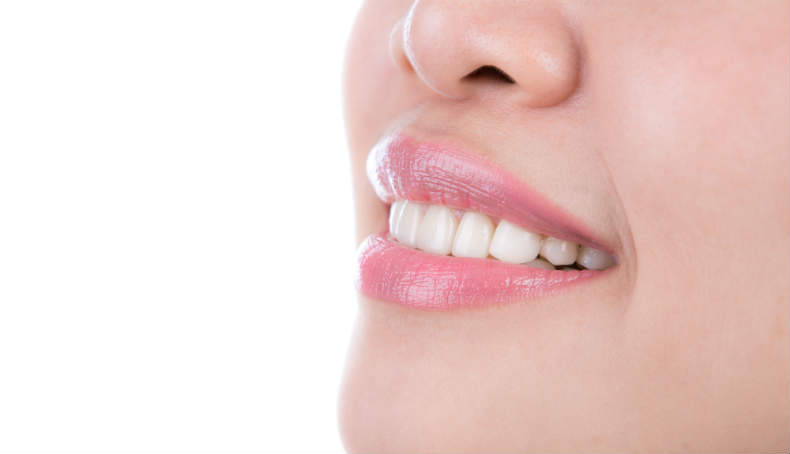
At MGA Dental clinic, we offer a range of cosmetic and orthodontic solutions tailored to your individual needs. Whether you’re looking for a subtle cosmetic improvement or a more comprehensive treatment plan, our team will help you understand your options and choose the best approach.
With clinics on the Gold Coast and in Brisbane, we’re here to support you every step of the way.
If you’re considering improving your smile, feel free to contact MGA Dental and book a consultation.