Water Flosser Benefits: How Water Flossing Improves Gum Health
30 November 2020 | Updated: 4 February 2026
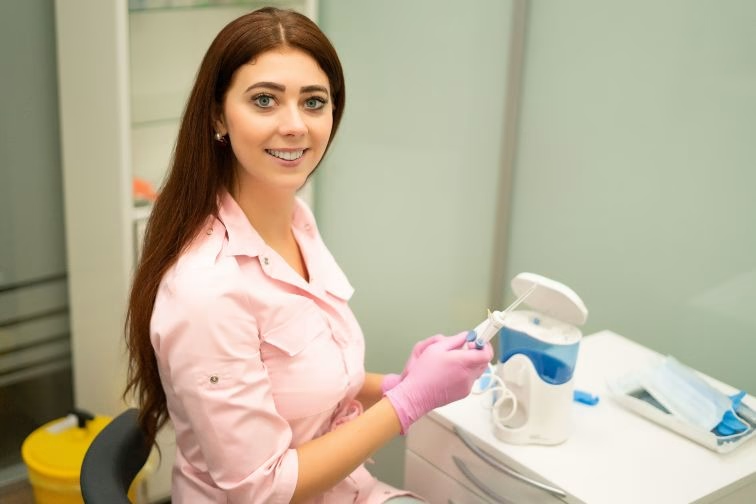
“Brush twice a day and clean between your teeth.”
It’s advice most of us have heard countless times, and for good reason. Good oral hygiene is not a one-off task, but a daily habit that protects your teeth and gums over the long term.
While brushing is essential, it does not reach every surface where plaque and food debris can build up. Interdental cleaning is just as important, especially for preventing gum disease.
Fortunately, modern oral care tools make this easier than ever. One option that has gained popularity in recent years is the water flosser.
In this article, we explore what water flossing is, how it works, its benefits, and whether it could be a helpful addition to your daily oral care routine.
What Is a Water Flosser?
A water flosser is an oral hygiene device designed to clean between the teeth and along the gum line using a controlled stream of pressurised water. It helps remove food particles, plaque, and bacteria from areas that are difficult to reach with a toothbrush alone.
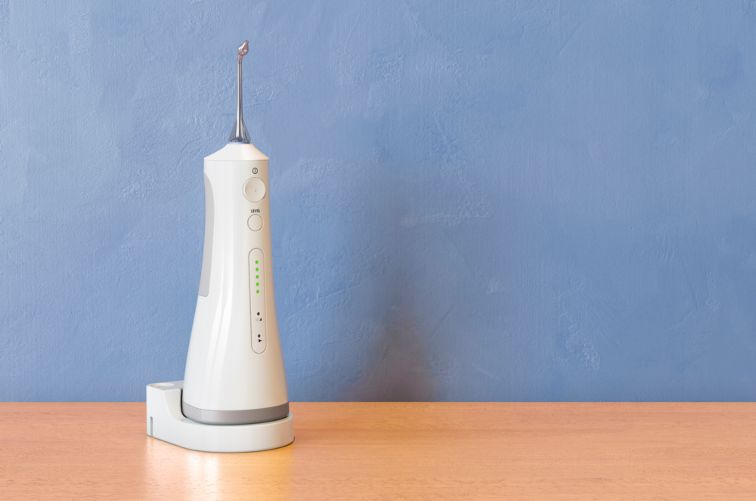
Most water flossers consist of a water reservoir, an internal motor and pump, and a specialised nozzle or tip that directs a controlled stream of water between the teeth and along the gumline. When activated, the device releases gentle but effective pulses of water that flush debris from between teeth and below the gum line.
Used correctly, a water flosser can support gum health and improve plaque removal when combined with regular brushing.
Common Types of Water Flossers
There are several styles available, each with different advantages:
1. Countertop Water Flossers
These are the most powerful models and are ideal for home use. They plug into a power outlet and include a large reservoir that allows longer cleaning sessions.
2. Cordless or Battery-operated Flossers
Compact and portable, these are convenient for travel or smaller bathrooms. While slightly less powerful, they are still effective for daily use.
3. Shower-connected Flossers
These attach directly to a showerhead and use water pressure from the plumbing. They do not require electricity or refilling but can be harder to control.
4. Faucet-attached Flossers
Similar to shower models, these connect to a sink tap. Their main limitation is reduced manoeuvrability during use.
Your dentist can help you decide which option best suits your needs.
How to Use a Water Flosser Correctly

Using a water flosser is straightforward, but technique matters. To get the most benefit:
-
Fill the reservoir with warm water to improve comfort.
-
Place the tip in your mouth before turning the device on.
-
Lean over the sink to allow water to drain easily.
-
Hold the tip at a right angle to your teeth.
-
Start at the back teeth and work your way forward.
-
Focus on the gum line and the spaces between teeth.
-
Pause briefly between teeth to allow debris to flush out.
-
After use, empty the reservoir to prevent bacterial growth.
A full cleaning session usually takes around two minutes.
It’s important to remember that a water flosser does not replace brushing or traditional flossing entirely. Brushing twice daily remains essential, and many people benefit from using a water flosser as a supplement before or after brushing.
Benefits of Water Flossing
Water flossers can be especially helpful for people who struggle with traditional string floss or have specific dental needs.
Key benefits include:
-
Gentler on sensitive gums: Water flossing is less abrasive than string floss and may reduce bleeding and irritation, particularly for people with inflamed or delicate gums.
-
Improved gum health: The water stream can reach below the gum line, helping to clean periodontal pockets and reduce the risk of gingivitis.
-
Easier to use consistently: Many people find water flossers simpler and more comfortable, which increases the likelihood of daily use.
-
Ideal for dental work: Water flossers are excellent for cleaning around braces, crowns, bridges, implants, and orthodontic wires where string floss can be difficult to manage.
-
Effective plaque and debris removal: When used correctly, water flossers can reduce plaque buildup in areas that traditional floss may miss.
Together, these benefits make water flossing a practical and effective addition to a daily oral hygiene routine, particularly for patients seeking a more comfortable and thorough way to clean between their teeth.
Water Flosser vs Traditional Floss
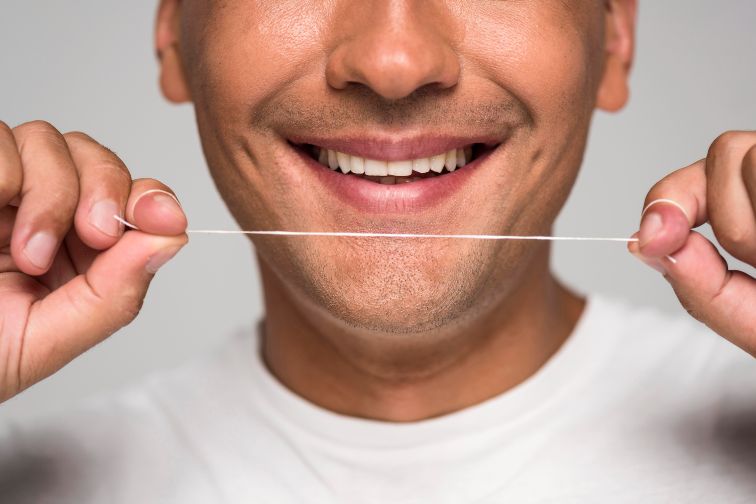
Traditional floss remains effective for removing plaque between teeth, but it can be challenging for some patients to use correctly. Improper technique may cause gum trauma or bleeding, which discourages regular use.
Compared with traditional string floss, water flossers offer several practical advantages for daily oral care. They are generally gentler on the gums, making them a good option for people who experience bleeding or sensitivity with regular floss. Water flossers are also easier to use for those with limited hand mobility, as they do not require fine finger control.
The pressurised water stream can reach deeper into gum pockets and around dental work, helping to remove plaque and food debris from areas that are difficult to access with string floss. This makes water flossers especially useful for patients with braces, bridges, implants, or crowns.
For many people, the best results come from using both methods together. Dentists often recommend combining water flossing with traditional floss to provide thorough cleaning and better long-term gum health, particularly for patients managing gum disease or complex dental restorations.
How to Clean and Maintain a Water Flosser
Keeping your water flosser clean is essential to prevent bacteria buildup inside the device.
General maintenance guidelines include:
-
Cleaning the reservoir every one to three months
-
Rinsing removable parts regularly
-
Using white vinegar diluted with warm water to clean internal components
-
Soaking tips in vinegar or hydrogen peroxide, then rinsing thoroughly
Always follow the manufacturer’s instructions for your specific model.
Is a Water Flosser Right for You?
A water flosser can be a valuable tool for many people, particularly those with:
However, individual needs vary. Factors such as tooth alignment, gum health, and existing dental work all play a role in choosing the right interdental cleaning method.
Professional Advice and Support at MGA Dental
Water flossing can significantly improve daily oral hygiene when used correctly, but it is only one part of maintaining healthy teeth and gums. Professional guidance ensures you are using the right tools in the right way.
At MGA Dental clinic, our experienced dental team provides personalised oral hygiene advice and can demonstrate proper water flosser techniques during your visit. With clinics in Brisbane and the Gold Coast, we help patients choose the most effective home-care solutions to support long-term oral health.
If you are considering a water flosser or would like advice on improving your daily oral hygiene routine, contact MGA Dental to book a consultation and take a confident step toward healthier gums.