Your Guide to Preventive Dental Checkups and Why They’re Essential
15 December 2025
Preventive dentistry is one of the most effective ways to protect long-term oral health. Routine checkups allow dentists to identify early changes, address small issues before they progress, and offer advice that genuinely strengthens everyday care.
Most people recognise why dental visits matter, yet many still wait until something becomes uncomfortable before booking an appointment. This delay, and the gap between awareness and action, is often what allows dental conditions to progress quietly and unnoticed.
This guide outlines why preventive dental checkups are essential and how they contribute to overall wellbeing. While emergency dentistry addresses problems after they occur, preventive dentistry focuses on avoiding these situations altogether by identifying changes early and keeping oral health stable over time.
What Counts as Preventive Dental Checkups?
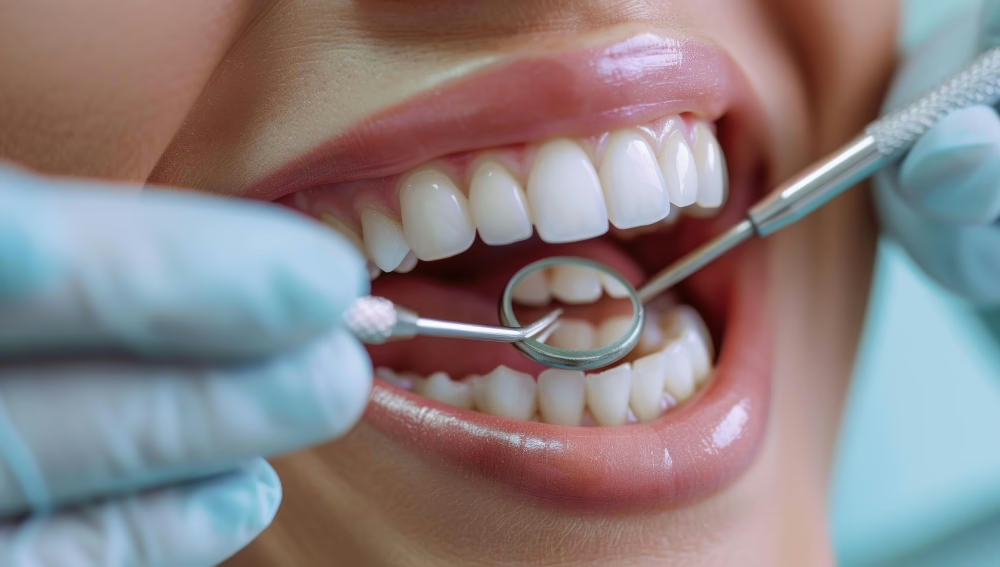
Preventive dental checkups are routine appointments designed to maintain oral health and identify early signs of change before they develop into complex problems. A standard visit includes a thorough examination of the teeth, gums, soft tissues, bite, and overall oral function.
For most adults, preventive dental checkups every six months provide a steady rhythm of care. Some people, particularly those with a history of gum disease, frequent cavities, chronic medical conditions, or higher risk factors, may benefit from more frequent reviews. Risk factors such as dry mouth, diabetes, smoking, and certain medications can increase the need for more regular preventive care, as these conditions make the mouth more vulnerable to inflammation and bacterial activity. Others with low risk and strong home hygiene may follow a personalised schedule based on their dentist’s advice.
These appointments focus on assessment, professional cleaning, and early intervention. They differ from treatment visits, which are booked to address specific issues such as fillings, extractions, or dental emergencies. Understanding this distinction helps patients recognise the value of ongoing maintenance rather than waiting until symptoms develop.
The Biggest Benefit of Early Detection
Early detection is the foundation of preventive dentistry. Many dental conditions progress slowly and without noticeable discomfort, which is why they often go unnoticed until they become more serious. Regular visits give clinicians the opportunity to identify small changes at a stage when they are easier to manage.
Spotting Problems Before They Become Serious
Early cavities, gum inflammation, plaque build-up, and enamel wear often start without noticeable symptoms. By the time pain, swelling, or sensitivity appears, the condition has often progressed. Preventive dental checkups help detect these problems at a point when intervention can be simple and minimally invasive.
How Early Diagnosis Saves Money and Time
Managing dental concerns early is significantly more cost-effective than treating advanced disease. A small cavity can be restored with a straightforward filling, while a tooth with extensive decay may require a dental crown or root canal therapy. Early diagnosis of gum disease also prevents the progression to more complex periodontal procedures. Preventive dental checkups and routine cleanings reduce the need for urgent appointments, minimise treatment costs, and help patients avoid longer and more complex treatment in the future.
Once the benefits of early diagnosis are clear, it becomes easier to understand why dental health requires consistent attention and timely intervention.
Preventing Gum Disease
Gum disease remains one of the most common oral health concerns among adults, and it often progresses quietly. Studies suggest that roughly three in four Australian adults will experience some form of gum disease in their lifetime, which highlights the importance of early detection and consistent preventive care.
In its earliest stages, symptoms such as mild inflammation or occasional bleeding may be easy to overlook. This is why preventive dental checkups play such an important role. Routine visits help dentists identify early signs of gingivitis, recession, plaque build-up, and gum changes that are hard to notice at home.
Gum disease is a leading cause of tooth loss, which makes early intervention essential. Professional cleaning removes plaque and hardened calculus that daily brushing and flossing cannot reach. This process reduces bacterial activity, supports tissue healing, and helps prevent the shift from mild inflammation to more advanced periodontitis. Preventive dentistry focuses on maintaining stable gum health, reducing inflammation, and keeping the supporting tissues strong over time.
Oral Cancer Screening
Oral cancer screenings are a standard part of routine dental checkups and provide a level of monitoring that patients cannot achieve at home. During a routine examination, the dentist reviews the lips, tongue, cheeks, throat, and other soft tissues for any changes in colour, texture, or shape. The process is quick, comfortable, and entirely non-invasive.
Early detection is vital, as oral cancer is far more treatable in its initial stages. Survival rates improve substantially when oral cancer is diagnosed early, which underscores the value of screening during routine preventive dental checkups.
Regular screening increases the likelihood of identifying concerns before symptoms develop, which improves long-term outcomes and gives patients greater peace of mind. Individuals who smoke, drink alcohol frequently, or have high levels of sun exposure are considered at greater risk, making consistent monitoring even more important.
Professional Cleaning and Plaque Removal
Professional cleaning is a key part of preventive dental checkups and plays an essential role in maintaining long-term oral health. Even with thorough brushing and flossing, plaque can collect in areas that are difficult to reach, particularly around the gumline and between teeth. When plaque is left to build up, it hardens into tartar, which cannot be removed at home.
Preventive dentistry addresses this issue through professional cleaning appointments designed to keep this build-up under control. Scaling removes hardened tartar and plaque from the tooth surface and beneath the gumline, reducing the bacteria that contribute to inflammation and gum disease. Polishing follows the scaling process and smooths the enamel, helping to reduce surface stains caused by coffee, tea, wine, and everyday eating habits. This combination supports gum health, improves breath freshness, and creates a cleaner surface that is easier to maintain between visits.
The relationship between oral health and general wellbeing is well established, and it highlights why preventive dental checkups are so important. Conditions in the mouth often mirror what is happening in the rest of the body, which means regular monitoring supports far more than teeth and gums alone. Research continues to show strong links between gum disease and systemic health issues, making preventive dentistry an essential part of long-term health management.
Routine checkups reduce bacterial activity, identify early gum disease, and lower the overall inflammatory burden. This can be especially significant for individuals managing chronic health conditions.
Dentists also play an important role in recognising symptoms that extend beyond dentistry. Issues such as vitamin deficiencies, acid reflux, autoimmune conditions, and sleep-related disorders can appear through subtle changes in the mouth. Regular checkups therefore support both oral health and general wellbeing by identifying changes early.
The next step is understanding how preventive care supports the look and confidence of your smile.
How Preventive Care Supports a Confident Smile
A confident smile is closely tied to overall comfort and self-assurance, and preventive dental checkups play a key role in keeping it healthy and natural. These appointments help identify early discolouration, enamel wear, minor chips, and other subtle changes that develop over time. When these issues are caught early, dentists can recommend simple and effective measures such as polishing, remineralisation treatments, or protective devices like nightguards for patients who grind their teeth.
Maintaining a confident smile contributes to daily wellbeing and strengthens both social and professional interactions. Regular preventive care allows patients to preserve a natural, healthy appearance and reduce the need for complex cosmetic treatments later in life.
How Preventive Dental Checkups Improve Your Daily Oral Care
One of the most meaningful outcomes of preventive dental checkups is the personalised guidance patients receive on how to care for their teeth and gums at home. Daily brushing and flossing form the basis of good oral hygiene, but small adjustments in technique, pressure, product selection, or routine can significantly improve effectiveness. During a preventive visit, dentists assess habits, identify plaque-prone areas, and highlight behaviours that may cause irritation or enamel wear.
This tailored advice is especially helpful for people who grind their teeth, brush too aggressively, or use products that are not suited to their oral health needs. Preventive dentistry focuses on identifying these patterns early, which helps reduce the risk of enamel loss, tooth sensitivity, and gum recession.
With clear, practical recommendations and personalised guidance, patients can take control of their oral hygiene and make immediate changes that improve comfort while reducing the likelihood of future issues.
How Preventive Dentistry Shapes Healthy Habits in Children
Preventive dental checkups are especially important during childhood and adolescence, when the teeth and jaws are still developing. Regular visits allow clinicians to monitor growth, alignment, and cavity risk at stages when early guidance can make a significant difference.
These appointments also help identify habits such as thumb sucking, irregular brushing patterns, or early signs of enamel weakness, all of which can affect long-term oral health if left unaddressed. Preventive dentistry during these years lays the foundation for healthier adult teeth and encourages consistent care from an early age.
For many young patients, routine appointments also play a key role in reducing dental anxiety. Familiarity with the dental environment helps children and teens feel more at ease, making future visits smoother and more positive. Parents often report that children who attend regular checkups experience fewer urgent problems and maintain better oral hygiene habits as they grow older.
A preventive dental appointment usually begins with a comprehensive oral examination. The dentist assesses the teeth, gums, tongue, bite, and surrounding soft tissues, looking for signs of decay, inflammation, enamel wear, or other early changes. X-rays may be taken when necessary to identify issues that are not visible during a visual exam, such as cavities between teeth or changes in the bone structure.
Professional cleaning is another key element of preventive dentistry. During this stage, plaque and tartar are removed from the teeth and along the gumline using specialised instruments. This is followed by polishing, which smooths the enamel surface and reduces surface staining from everyday foods and drinks.
Once the examination and cleaning are complete, the dentist reviews the findings and provides personalised recommendations. This may include areas to monitor, adjustments to home care habits, protective treatments, or advice on managing early signs of change. Most preventive dental checkups take between 30 and 60 minutes, depending on individual needs.
Patients should also be aware that some symptoms require attention before the next scheduled checkup. Sudden sensitivity, persistent bleeding gums, ongoing bad breath, or discomfort when chewing may signal changes that should be assessed sooner. Chipped or cracked teeth should also be reviewed promptly to prevent further damage. Acute pain, swelling, or trauma warrants immediate dental emergency care.
Preventive dental checkups form the backbone of long-term oral health. They help identify early changes, reduce the risk of disease, and keep treatment needs predictable and manageable.
A dedicated preventive dentist focuses on early diagnosis, professional cleaning, and evidence-based strategies that protect the mouth before problems arise. At MGA Dental clinic, this approach is central to patient care. Each visit is designed to provide a clear understanding of oral health status, highlight areas that may need attention, and offer personalised recommendations that strengthen home care.
Preventive dentistry helps patients stay ahead of potential issues and avoid the discomfort and cost of advanced dental treatment.
With accessible services across Brisbane and the Gold Coast, MGA Dental clinic delivers preventive care supported by modern diagnostic tools and a patient-centred approach. Whether it involves routine checkups, guidance on home hygiene, or monitoring early signs of change, the clinic is committed to helping patients maintain long-term oral stability.
Brushing your teeth is one of the simplest and most effective ways to protect your oral health. While most people focus on how they brush, the timing of brushing, especially in the morning, is often overlooked. A common question patients ask is whether it is better to brush before or after breakfast. The answer is […]
Maintaining good oral hygiene means brushing your teeth twice a day and flossing regularly. But if you’re diligent about your dental care, you may have wondered: is it possible to brush too much? According to dental experts, the answer is yes. Overbrushing can actually cause damage to your teeth and gums over time. If you […]
Your gums are the soft tissues that surround your teeth and help keep them securely in place. When they start to itch, it’s often a sign of bacterial buildup in the spaces between the teeth and gums. While mild itching might seem like a minor irritation, it can sometimes indicate a more serious underlying issue. […]
Mouthwash is a common part of many oral care routines, but it often raises a simple question: does it actually work, or is it just about fresh breath? The answer is that mouthwash can be useful, but only when used correctly and as part of a complete oral hygiene routine. It supports your dental health, […]
When people hear the term deep cleaning of teeth, many assume it refers to a more thorough brushing routine at home. In reality, dental deep cleaning is a professional treatment designed to address gum disease and remove hardened deposits that cannot be managed with regular brushing and flossing alone. Deep cleaning is a common and […]
Good oral hygiene habits start early, and brushing your teeth regularly is one of the simplest and most effective ways to protect your oral health. Most dentists recommend brushing at least twice a day, as this helps remove plaque and reduce the growth of harmful bacteria that can lead to tooth decay and gum disease. […]
“Brush twice a day and clean between your teeth.” It’s advice most of us have heard countless times, and for good reason. Good oral hygiene is not a one-off task, but a daily habit that protects your teeth and gums over the long term. While brushing is essential, it does not reach every surface where […]
A healthy smile plays a major role in how we look and feel. Clean, strong teeth not only support confidence but also protect overall oral health. While brushing twice a day is essential, brushing alone cannot reach every area where plaque and food particles collect. This is where dental floss becomes an important part of […]
Sensitive teeth can make everyday foods and drinks uncomfortable, but the cause is not always simple. Learn what may trigger tooth sensitivity, when to see a dentist, and which treatment options may help protect your teeth and relieve discomfort.