How to Get Rid of a Toothache at Night
16 July 2019 | Updated: 7 January 2026

A toothache is never pleasant, but when pain strikes at night it can feel even more intense. Lying awake with throbbing tooth pain makes it hard to rest, recover, and think clearly.
While nighttime toothache relief is often about managing symptoms until you can see a dentist, it is important to remember that pain is usually a sign of an underlying dental problem that needs professional care.
This article explains why toothaches often feel worse at night, what you can do to ease the discomfort temporarily, and when it is important to seek dental treatment.
Why Toothache Pain Often Feels Worse at Night
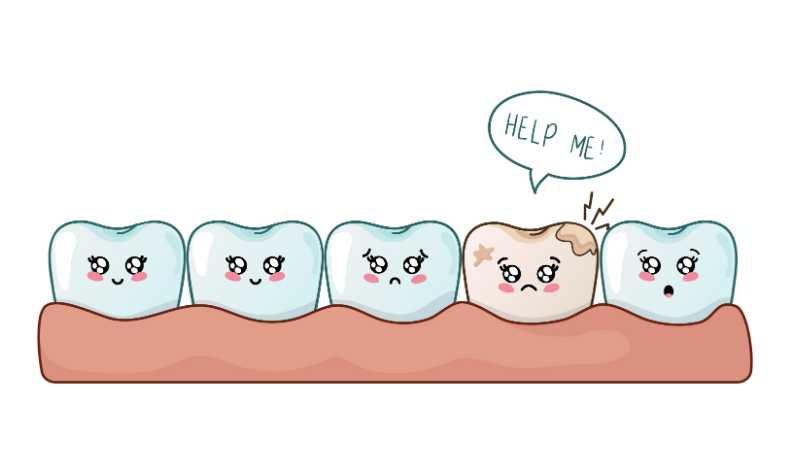
Many people notice that toothache pain becomes more intense in the evening or once they lie down to sleep. This is a common experience and usually linked to a combination of physical and sensory factors.
When you lie flat, blood flow to the head increases, which can raise pressure around an inflamed tooth, cracked filling, or swollen gum. This added pressure may amplify pain signals, particularly if infection or nerve irritation is present.
Sinus congestion or sinus infections can also contribute to tooth pain at night. When mucus builds up while lying down, pressure in the sinus cavities can radiate to the upper teeth, causing aching or throbbing sensations that mimic dental pain.
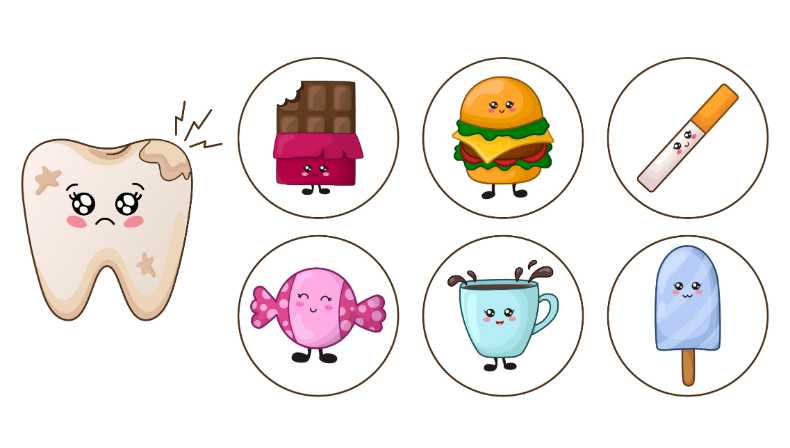
Eating or drinking sugary, acidic, or cold foods late at night can further irritate already sensitive teeth. Sugar feeds bacteria, while acids weaken enamel, both of which may worsen pain, especially if brushing immediately afterwards.
Finally, at night there are fewer distractions. During the day, activities and movement can take your focus away from discomfort. When you are trying to fall asleep, even mild pain can feel much more intense simply because there is nothing else competing for your attention.
Understanding why toothache pain worsens at night can help you adjust habits, reduce triggers, and recognise when it is time to seek dental care.
Common Causes of Toothache Pain
A toothache is not a condition on its own, but a warning sign that something is affecting your oral health. Identifying the underlying cause is essential for effective treatment. Some of the most common reasons for tooth pain include:
Tooth Decay
Cavities that progress beyond the enamel and into the dentin can cause sensitivity to temperature and pressure. As decay moves closer to the nerve, pain may become sharper, more intense, or persistent, particularly at night.
Inflammation of the gums can lead to aching, tenderness, and bleeding. In more advanced stages, infection can spread to the supporting bone, causing deeper pain and tooth instability.
Cracked or Fractured Teeth
Cracks may develop from biting hard foods, trauma, or long-term wear. Pain can occur when chewing or with temperature changes, and may worsen over time as the crack deepens and irritates the nerve.
Tooth Sensitivity
When enamel wears down or gum recession exposes the tooth root, the nerves become more vulnerable. This often results in sudden pain when eating or drinking hot, cold, sweet, or acidic foods.
Damaged or Worn Fillings
Old or broken fillings can leave parts of the tooth unprotected. This exposes the tooth to bacteria and temperature changes, leading to discomfort that can range from mild sensitivity to sharp pain.
Teeth Grinding (Bruxism)
Grinding or clenching, especially during sleep, places excessive pressure on the teeth and jaw muscles. Over time, this can cause soreness, fractures, or nerve irritation. Custom night guards are often recommended to reduce damage.
Aggressive Brushing or Flossing
Brushing too hard or flossing incorrectly can irritate the gums and cause recession. Exposed tooth surfaces are more sensitive and prone to discomfort, particularly when combined with other dental issues.
If toothache pain persists or worsens, a dental examination is the only way to determine the exact cause and prevent further complications.
Temporary Toothache Relief at Night
If you cannot see a dentist immediately, these steps may help reduce pain temporarily:
-
Keep your head elevated when lying down to reduce pressure.
-
Rinse gently with warm salt water to soothe gums and reduce bacteria.
-
Use an alcohol-based mouthwash cautiously to disinfect and numb the area.
-
Take over-the-counter pain relief such as ibuprofen or paracetamol, following dosage instructions.
-
Apply a cold compress to the outside of the cheek near the painful area to reduce swelling.
-
Avoid very cold, hot, hard, or acidic foods before bed.
These measures do not treat the cause of the toothache but may help you rest until you can receive proper dental care.
Home Remedies: Use With Caution
Some people try natural remedies to ease toothache pain. While a few may offer short-term relief, they should never replace dental treatment.
Commonly used options include:
-
Clove oil, applied sparingly to numb pain
-
Salt water rinses for mild inflammation
-
Gentle flossing to remove trapped food
-
Cold or room-temperature compresses
Other remedies such as garlic, turmeric, peppermint oil, or ginger are sometimes used, but their effects are inconsistent. Improper use may irritate gums or worsen symptoms. If pain persists, professional care is essential.
When to See a Dentist
A toothache that keeps you awake at night is a strong signal that something is wrong. You should book a dental appointment as soon as possible if:
-
Pain lasts more than a day or two
-
Swelling, fever, or pus is present
-
Pain is sharp, throbbing, or worsening
-
You have difficulty chewing or opening your mouth
Early treatment can prevent complications such as infection, abscesses, or tooth loss.
Toothache Care at MGA Dental Clinic
At MGA Dental clinic, we understand how distressing nighttime tooth pain can be. Our team provides thorough assessments to identify the cause of toothache and deliver effective, lasting treatment rather than temporary fixes.
If you are struggling with a toothache at night or experiencing ongoing dental pain, contact MGA Dental clinic to book a consultation. Prompt care can relieve discomfort, protect your oral health, and help you get back to restful sleep.