Supernumerary Teeth (Hyperdontia): How Are Extra Teeth Treated?
15 April 2021 | Updated: 5 December 2025
When people think about dental problems, they usually worry about cavities, gum disease, tooth sensitivity, or missing teeth. Having too many teeth is rarely top of mind, and for most patients, it comes as a surprise when it happens.
However, having extra teeth is a recognised dental condition known as hyperdontia, or supernumerary teeth. While the name can sound concerning, the condition is usually manageable and rarely dangerous.
Patients who are diagnosed with hyperdontia often have one main question: can extra teeth cause serious problems? In most cases, the answer is no. However, extra teeth can lead to discomfort, crowding, and aesthetic concerns if left unaddressed.
This article explains what hyperdontia is, how to recognise it, what causes it, and when treatment may be necessary.
What Is Hyperdontia?
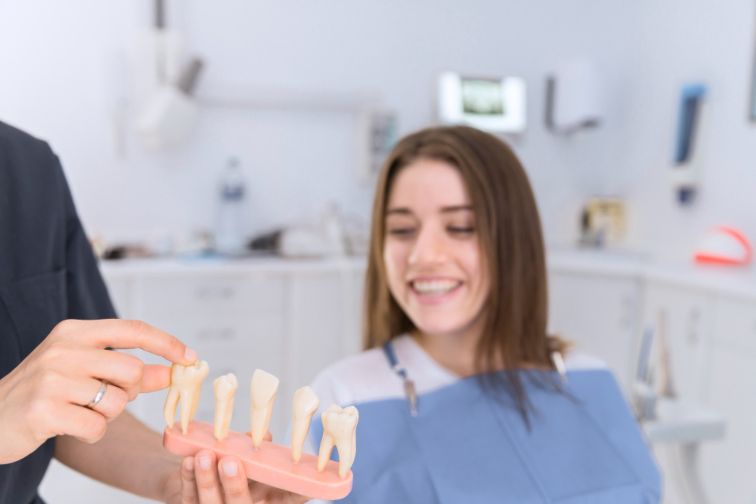
Hyperdontia is a rare dental condition in which a person develops more teeth than the normal number. These additional teeth are known as supernumerary teeth.
They most commonly appear in the dental arches, which are the curved areas of the jaw where teeth are anchored, but they can develop in different locations within the mouth.
Under normal circumstances, children develop 20 primary, or baby, teeth. These are usually lost around the age of five or six and are gradually replaced by 32 permanent adult teeth. When hyperdontia occurs, extra teeth develop in addition to these standard sets, leading to overcrowding or alignment issues in some cases.
Hyperdontia can affect:
While extra primary teeth are seen more frequently, supernumerary teeth can appear at almost any age. In some cases, they erupt visibly, while in others they remain impacted and are only detected during routine dental X-rays.
Types and Positions of Supernumerary Teeth
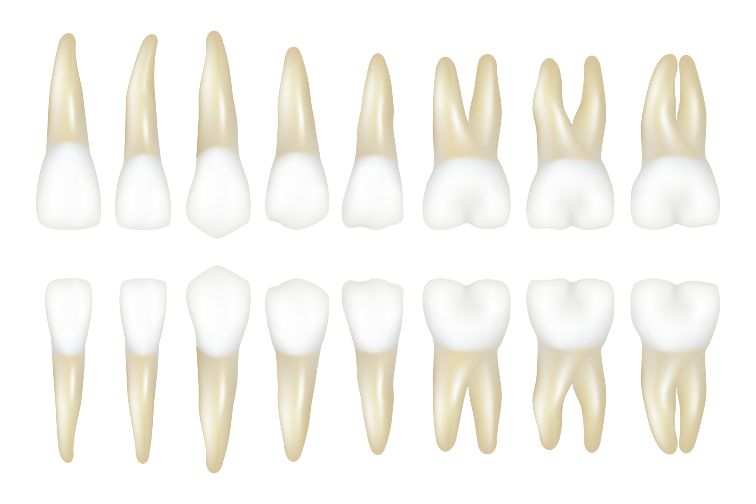
Not all extra teeth look or behave the same. They are classified based on their shape and position.
Common shapes of supernumerary teeth are:
-
Supplemental: resembles a normal tooth nearby
-
Tuberculate: barrel- or tube-shaped
-
Conical (peg-shaped): pointed with a narrow tip and wide base
-
Compound odontoma: several small tooth-like growths grouped together
-
Complex odontoma: a disorganised mass of tooth-like tissue
Common positions of supernumerary teeth are:
-
Mesiodens: located behind or near the front incisors (most common)
-
Paramolar: positioned beside a molar at the back of the mouth
-
Distomolar: aligned behind the molars
What Causes Hyperdontia?
The exact cause of hyperdontia is not yet fully understood, which is often frustrating for patients who want clear answers. Dentists and researchers believe that the condition is most commonly linked to genetic and hereditary factors, particularly those that influence bone growth and tooth development.
Hyperdontia is known to occur more frequently in people with certain inherited or developmental conditions, including:
-
Gardner’s syndrome – a rare genetic disorder associated with abnormal bone and tissue growth
-
Ehlers-Danlos syndrome – which affects connective tissue and can cause joint instability and skeletal changes
-
Fabry disease – a genetic condition that can lead to pain, skin changes, and other systemic symptoms
-
Cleft lip or cleft palate – birth conditions that affect the formation of the mouth and jaw
-
Cleidocranial dysplasia – a disorder that impacts the development of bones and teeth
Many of these conditions involve abnormalities in bone or connective tissue formation, which may help explain why extra teeth develop in some individuals. While hyperdontia can occur without any associated condition, ongoing research aims to better understand why supernumerary teeth form and how genetics influence this process.
Can Extra Teeth Cause Complications?
Hyperdontia rarely causes serious medical problems, but it can lead to practical and aesthetic concerns.
Possible complications include:
-
Pressure on the jaw and gums, which may cause swelling or discomfort
-
Crooked or crowded teeth
-
Difficulty cleaning between teeth, increasing the risk of decay or gum disease
-
Bite issues or mild chewing discomfort
In some cases, orthodontic treatment such as braces or aligners may be needed to correct alignment issues caused by extra teeth.
Treatment Options for Hyperdontia
One of the most common questions patients have when diagnosed with hyperdontia is whether the extra teeth can be removed. In many cases, the answer is yes. When removal is recommended, the procedure is usually straightforward and performed to prevent future complications.
Dentists may suggest removing supernumerary teeth if:
-
The extra teeth are associated with a genetic or developmental condition
-
Chewing is affected or the teeth are causing irritation to the cheeks, tongue, or gums
-
There is ongoing pain, swelling, or discomfort
-
Crowding makes brushing and flossing difficult, increasing the risk of decay or gum disease
-
The appearance of the teeth causes concern or affects confidence
Not every case of hyperdontia requires immediate treatment. If the extra teeth are not causing pain, functional problems, or hygiene issues, your dentist may recommend monitoring the condition over time. Mild discomfort can sometimes be managed with anti-inflammatory medication when appropriate.
Early assessment plays an important role in managing hyperdontia effectively. Identifying extra teeth early allows your dentist to plan treatment conservatively, reduce the risk of complications, and maintain long-term oral health.
When to See a Dentist
Hyperdontia can sound alarming, but with timely dental care, it is usually easy to manage. If you notice an extra tooth developing or experience discomfort, crowding, or changes in your bite, it’s best to seek professional advice early.
Expert Dental Care for Hyperdontia at MGA Dental
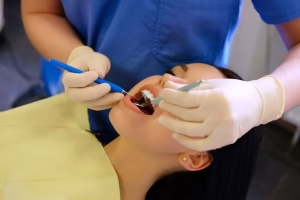
At MGA Dental clinics in Brisbane and the Gold Coast, our team provides comprehensive dental assessments and personalised care for conditions such as hyperdontia. We use detailed examinations and imaging to determine whether treatment is necessary and to plan the most appropriate approach for your oral health.
If you have concerns about extra teeth or changes in your smile, contact our team at MGA Dental to book a consultation and receive clear, professional guidance tailored to your needs.