Temporary Dental Crown Care Instructions
30 July 2021 | Updated: 3 November 2025
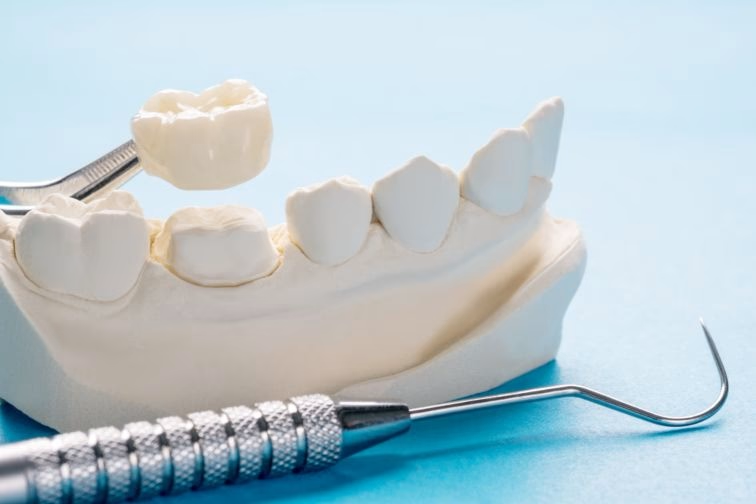
Every person who has been at the dentist’s office at least once, has been introduced to the concept of dental crowns. However, not many people have encountered temporary crowns. So, what exactly are they, and how do they work?
In simple terms, a temporary crown is a tooth-shaped cap designed to protect a natural tooth or implant until a permanent crown is ready to be placed. Unlike permanent ones, temporary crowns are more delicate and require extra care. Patients should be particularly cautious when chewing or flossing to prevent damage or loosening.
For those receiving a temporary crown for the first time, understanding how to care for it properly is essential to ensure it stays intact until replacement. This is the only way to ensure that the temporary crown doesn’t crack or come loose before it’s replaced with a permanent one.
In this article, we’ll explain what temporary crowns are, how they’re used, and the best ways to care for them to avoid complications.
When Do You Need a Temporary Crown

A dentist will put a temporary crown on a patient’s tooth when he or she sees that a natural tooth requires a traditional permanent crown. This is due to the fact that a dentist needs a few weeks to make a permanent crown, so they usually put a temporary crown in place until the permanent one is ready.
This is the best way to ensure that the tooth won’t suffer any more damage before the permanent crown is cemented into place.
When is the temporary crown necessary?
Here are some of the examples:
- When a patient has to protect the natural tooth and gums
- When they want to smile normally without a gap
- When they want to limit any tooth or gum sensitivity
- When they are looking to maintain the proper spacing between their teeth
- When they want to chew and eat normally and without any irritation
- When the dentist wants to assess how the crown will function
- When it has to cover an implant or a tooth with a root canal, or a freshly repaired tooth.
The temporary crown can be used for any single tooth, or it can be a bridge over more dental implants and teeth.
Some modern dental clinics have the technology to design and place a permanent crown in a single day, but in most cases, dentists need one to two weeks to have a custom crown made. This is precisely why temporary crowns play such an important role – they protect the tooth and maintain function until your permanent crown is ready.
How Long Should You Keep a Temporary Crown?
The length of time you’ll need to keep a temporary crown depends entirely on your dentist’s treatment plan. In most cases, a temporary crown is worn for about 2 to 3 weeks while the permanent crown is being custom-made in the dental lab.
You’ll also need to keep the temporary crown in place throughout any additional dental work your dentist performs on that tooth to ensure proper protection and function.
For patients receiving dental implants, the process can take longer. The bone around the implant often needs several weeks to a few months to fully heal before the permanent crown can be placed. In these cases, patience is key – temporary crowns protect your smile during the healing period and ensure the best final result once your permanent crown is ready.
What To Do if a Temporary Crown Comes Off?
If your temporary crown comes loose or falls off, don’t panic – it happens more often than you might think. The most important thing is to contact your dentist right away and schedule an appointment. Your dentist will reglue the crown securely, protecting the tooth and preventing further issues.
It’s essential not to leave the tooth exposed for long. Without the crown in place, the tooth and surrounding gum tissue are vulnerable to sensitivity, damage, or even infection. Acting quickly helps avoid discomfort and ensures your treatment stays on track.
How to Care for a Temporary Crown?
Patients who have a temporary crown should know that they will have to care for it with an extra care. What does this mean? People have to be careful while flossing and brushing temporary crown, so as not to dislodge it. The best way to clean it is to slide the floss gently in and out.
Brushing the area more gently is also recommended. Finally, it’s very important for a patient to keep the area around the temporary crown clean.
Be Careful of What You Eat
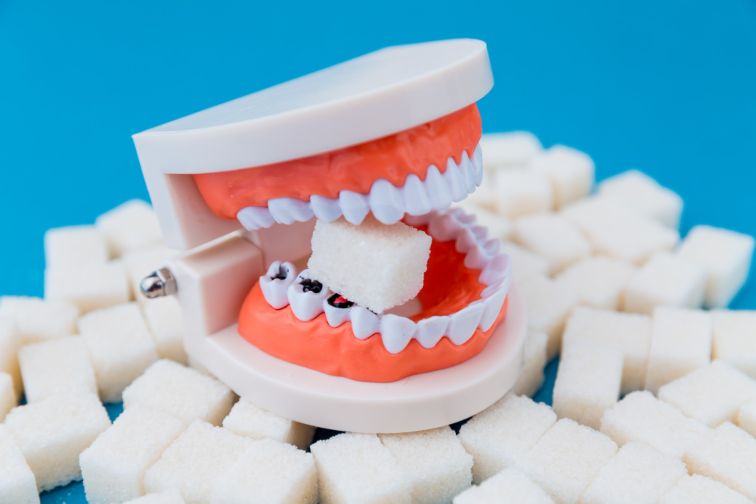
The temporary crown is glued in with temporary cement. Most dentists claim that it’s fully functional and this means patients can chew normally. However, considering that this is not a permanent crown, patients should avoid chewing on hard, tough, or sticky foods.
Avoiding sugary foods is also recommended. The sugar can find its way between the crown and the gum line and this might cause decay.
Here are the foods people with temporary crowns should avoid:
- steak and tough meat
- crusty bread
- crunchy fruits (apples)
- crunchy vegetables (raw baby carrots)
- corn on the cob
- chewing gum
- popcorn
- nuts
- caramel
- hard candy
- ice
To properly care for a temporary crown, patients need to be mindful of both what they eat and how they eat. It’s best to avoid sticky, hard, or overly chewy foods, as well as anything that’s generally known to be harmful to teeth.
A lot of patients have the same question: can you drink alcohol with a temporary crown? The answer is yes, but the patients should try to avoid very hot or very cold foods and drinks.
Pay Attention To How You Eat
Besides being careful what they eat, patients should also pay attention to how they eat. For example, they should never bit too hard on food, especially if they are eating crunchy bread, fresh vegetables, or nuts.
Don’t Forget to Floss and Brush
Good oral hygiene is essential when caring for a temporary crown. Continue brushing and flossing gently around the crowned tooth to keep the area clean and prevent infection. Proper daily care not only protects your gums and surrounding teeth but also helps keep the temporary crown securely in place until your permanent one is fitted.
If your temporary crown feels loose, has come off, or you’re experiencing discomfort or pain, don’t wait for it to get worse – professional care makes all the difference.
At MGA Dental Clinic, our experienced dentists provide same-day appointments for crown repairs, replacements, and full restorative treatments. Whether you need a temporary fix or a custom-made permanent crown, we use modern technology and gentle techniques to restore your smile quickly and comfortably.
Book your appointment at MGA Dental Gold Coast or Brisbane – your trusted local clinics for expert dental crown care.