What Is Oral Health and Why Does It Matter?
19 November 2019 | Updated: 5 February 2026
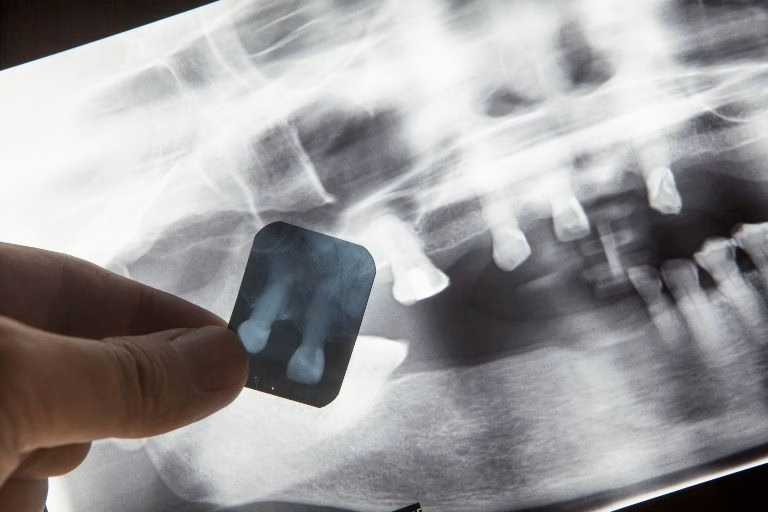
Oral health refers to the health of your mouth as a whole, including your teeth, gums, tongue, jaw, and the supporting tissues that allow you to eat, speak, and smile comfortably. While oral health is often reduced to brushing and flossing, it plays a far broader role in your overall wellbeing than many people realise.
Good oral health is not only about preventing cavities or bad breath. It is closely connected to your general health, quality of life, and long-term comfort.
Problems in the mouth can affect nutrition, confidence, sleep, and in some cases may be linked with wider health concerns. That is why maintaining a healthy mouth is an essential part of looking after your body.
In this article, we explore what oral health truly means and why it plays such an important role in your overall health.
The Link Between Oral Health and General Health
The mouth is one of the main entry points to the body, and what happens there can influence other systems. Research has shown clear associations between poor oral health and conditions such as cardiovascular disease, diabetes, respiratory infections, and pregnancy complications. Gum disease, in particular, has been linked with chronic inflammation elsewhere in the body.
Regular dental check-ups can also reveal early signs of broader health issues. Conditions such as diabetes, immune disorders, nutritional deficiencies, and some infections may show oral symptoms before other signs become obvious.
This makes dental visits an important part of preventative healthcare.
The Role of Saliva in Oral and Overall Health
Saliva plays a vital role in protecting both your oral health and your general wellbeing. It helps neutralise acids, wash away food particles, and contains antibodies and enzymes that defend against harmful bacteria, viruses, and fungi. These natural defences help reduce the risk of infections such as oral thrush and support the balance of healthy bacteria in the mouth.
At the same time, saliva reflects what is happening in the body. Advances in medical research show that saliva can contain markers linked to stress, hormonal changes, and certain systemic conditions, which is why it is increasingly used as a diagnostic tool.
However, the mouth is home to hundreds of bacterial species. When oral hygiene is poor, these bacteria combine with saliva to form dental plaque, which can lead to tooth decay and gum disease. This balance highlights why good daily oral care is essential for keeping saliva working in your favour.
Common Oral Health Conditions
Without consistent oral hygiene and regular professional care, a wide range of oral health conditions can develop. Some are mild and temporary, while others may progress quietly and cause lasting damage if left untreated.
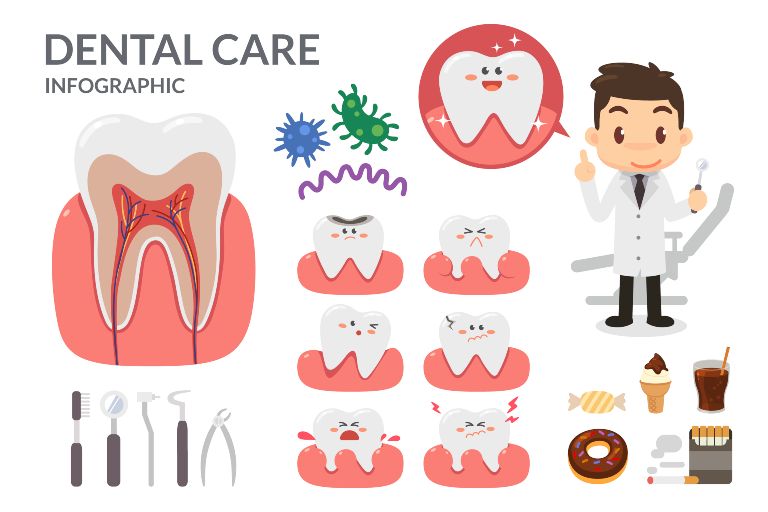
1. Tooth Decay and Cavities
Tooth decay develops when plaque bacteria produce acids that gradually weaken and erode tooth enamel. In the early stages, decay may cause sensitivity to hot, cold, or sweet foods. If untreated, cavities can spread deeper into the tooth, leading to pain, infection of the pulp, and eventual tooth loss.
2. Gum Disease
Gum disease begins with gingivitis, which is marked by red, swollen, or bleeding gums. At this stage, the condition is often reversible with improved oral hygiene and professional cleaning. If left untreated, it can progress to periodontitis, where the gums recede, pockets form between teeth and gums, and the supporting bone begins to break down. Periodontitis is a leading cause of tooth loss in adults.
3. Bad Breath (Halitosis)
Persistent bad breath is commonly linked to plaque buildup, gum disease, untreated decay, or dry mouth. It can also be influenced by smoking, certain medications, and poor tongue hygiene. In some cases, chronic halitosis may indicate an underlying oral or general health issue that requires professional assessment.
4. Mouth Ulcers and Sores
Canker sores, cold sores, and other oral ulcers are common and usually heal on their own within one to two weeks. Cold sores are caused by a viral infection and can spread through close contact, while canker sores may be triggered by stress, nutritional deficiencies, hormonal changes, or irritation. Sores that recur frequently, cause significant pain, or fail to heal should always be evaluated by a dental professional.
5. Oral Thrush
Oral thrush is a fungal infection caused by an overgrowth of Candida. It is more common in infants, older adults, people with diabetes, or those using antibiotics, inhaled corticosteroids, or who have a weakened immune system. Thrush appears as white patches that may cause soreness or discomfort and should be properly diagnosed and treated.
6. TMJ Disorders
Temporomandibular joint (TMJ) disorders affect the jaw joint and surrounding muscles. Symptoms can include jaw pain, headaches, ear discomfort, facial pain, and difficulty chewing or opening the mouth fully. Teeth grinding, clenching, bite misalignment, and jaw injury are common contributing factors. Management may involve custom mouthguards, lifestyle adjustments, or targeted dental treatment.
7. Oral Cancer
Oral cancer may present as persistent sores, lumps, unexplained numbness, difficulty swallowing, or changes in speech. Risk factors include smoking, heavy alcohol use, HPV infection, and prolonged sun exposure to the lips. Early detection is critical, as treatment outcomes are significantly better when oral cancer is diagnosed at an early stage.
8. Other Oral Conditions
Some oral conditions are less common but still important to recognise. These include leukoplakia, which appears as white patches that cannot be wiped away and may be precancerous, and lichen planus, a chronic inflammatory condition that can affect the mouth and occasionally increase oral cancer risk. Conditions such as geographic tongue, black hairy tongue, amalgam tattoos, and chipped teeth are usually harmless but should still be assessed if they change or cause discomfort.
Early recognition and timely dental care play a key role in preventing complications.
Why Prevention Is So Important
Many oral health problems develop slowly and without obvious symptoms in the early stages. This means damage can occur before you realise anything is wrong. Preventative dental care helps identify issues early, when treatment is simpler, more comfortable, and more cost-effective.
Good oral health also supports everyday comfort. Healthy teeth and gums allow you to chew properly, speak clearly, and smile with confidence. Preventing disease helps avoid pain, complex dental treatments, and unnecessary tooth loss later in life.
How to Maintain Good Oral Health
Maintaining oral health is based on simple, consistent habits supported by regular professional care.
Key steps include:
Children, pregnant women, and older adults may require additional care or monitoring, as their oral health needs can change over time.
The Role of Regular Dental Visits
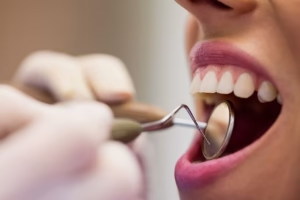
Routine dental visits are essential, even if your teeth feel fine. Dentists can detect early signs of decay, gum disease, bite problems, enamel wear, and oral cancer before symptoms become noticeable. Professional cleaning removes hardened plaque (tartar) that cannot be removed at home, helping protect both teeth and gums.
Dental appointments also provide an opportunity to receive personalised advice tailored to your oral health needs, lifestyle, and medical history.
Oral Health Care at MGA Dental Clinic
Protecting your oral health is an investment in your long-term comfort and overall wellbeing. If you experience bleeding gums, sensitivity, persistent bad breath, mouth sores, or changes in your teeth or gums, professional advice is important.
At MGA Dental, our experienced team provides comprehensive, patient-focused dental care with an emphasis on prevention, early diagnosis, and long-term oral health. With clinics in Brisbane and the Gold Coast, we offer personalised treatment plans designed to support healthy smiles at every stage of life.
If you would like to improve your oral health or have concerns about your teeth or gums, contact MGA Dental today to book a consultation and take a confident step toward a healthier mouth and a stronger smile.